$50 Off First Visit for New Clients

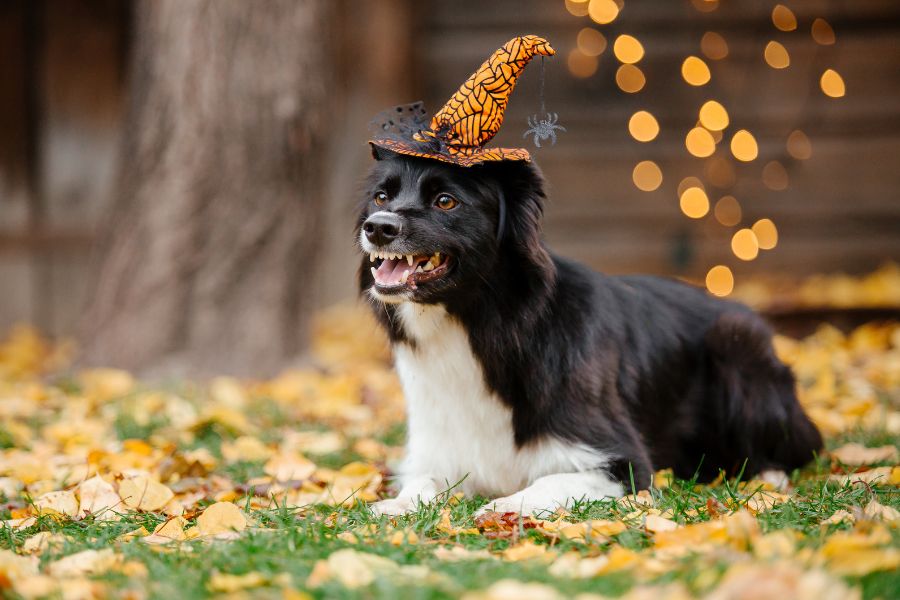
Halloween is a fun time filled with costumes, decorations, and sweet treats—but it can also pose hidden dangers for your furry friends. From toxic plants to unsafe decorations, pets are at risk if precautions aren’t taken. This article covers everything you need to know about Halloween pet safety, helping you create a safe and spooky environment for your dogs and cats.
Common Toxic Plants for Pets During Halloween
Many popular Halloween plants can be hazardous to pets. Knowing which plants to avoid is essential for pet poisoning prevention.
Toxic plants to watch out for:
- Autumn crocus – Can cause severe vomiting, diarrhea, and organ damage.
- Lilies (especially Easter and Tiger lilies) – Extremely dangerous for cats; can lead to kidney failure.
- Mums (Chrysanthemums) – May cause drooling, vomiting, or diarrhea.
- Poinsettias – Mildly toxic but can cause irritation if ingested.
- Marigolds and Halloween pumpkins – Generally safe, but moldy pumpkins can upset your pet’s stomach.
Tip: Always place plants out of reach and supervise pets in areas with decorations.
Dog-Safe Halloween Tips
Dogs are naturally curious and may try to nibble on decorations, candies, or plants. Follow these tips for a dog-safe Halloween:
- Avoid chocolate and xylitol treats – These are toxic to dogs and can cause serious illness.
- Use pet-friendly pumpkins – Real pumpkins are generally safe; avoid painted or carved pumpkins that may have sharp edges.
- Secure decorations – Keep wires, fake cobwebs, and small decor items out of reach.
- Create a safe space – A quiet room with their bed and toys can help nervous dogs during trick-or-treating.
Cat-Friendly Halloween Decorations
Cats love to explore, climb, and bat at objects. Ensure your decorations are cat-friendly with these tips:
- Avoid tinsel and ribbons – These can cause choking or intestinal blockages if swallowed.
- Keep plants elevated – Many cats are tempted by flowers and leaves.
- Use LED candles – Real candles pose fire risks, especially for curious cats.
- Decorate in a separate room – If your cat is skittish, limit access to heavily decorated areas.
Pet Poisoning Prevention Strategies
Preventing accidental poisoning is key to Halloween pet safety.
Essential prevention strategies:
- Know the emergency number – Keep your veterinarian’s contact info handy.
- Read labels on decorations and plants – Check for toxic ingredients.
- Store candy and chocolate securely – Place in high cabinets or locked containers.
- Train pets to avoid forbidden items – Simple commands like “leave it” can save lives.
- Observe your pet’s behavior – Vomiting, lethargy, or drooling may indicate poisoning.
Remember: Immediate veterinary care is crucial if your pet ingests something toxic.
When to Contact a Veterinarian
Even minor exposure to toxic plants or treats can escalate quickly. Contact your nearest veterinarian if your pet shows any of the following symptoms:
- Persistent vomiting or diarrhea
- Lethargy or weakness
- Excessive drooling or pawing at the mouth
- Seizures or tremors
Your vet can provide life-saving treatment and guidance on safe home care.
Creating a Safe and Fun Halloween for Pets
You don’t have to skip Halloween fun—just make it safe for pets. Consider these ideas:
- Pet costumes – Comfortable, non-restrictive outfits that won’t interfere with movement or breathing.
- Treat alternatives – Use dog- or cat-safe treats instead of chocolate or candy.
- Interactive games – Hide pet-safe treats in puzzle toys instead of leaving them around the house.
- Photo sessions – Capture memories without exposing pets to dangerous decorations or foods.
By combining awareness with careful planning, Halloween can be enjoyable for both humans and pets.
This Halloween, protecting your furry friends from toxic plants and unsafe decorations should be a priority. By following Halloween pet safety tips, you can ensure dogs and cats enjoy a fun, stress-free holiday. For any concerns about ingestion or poisoning, contact a veterinarian in Buffalo immediately. With the right precautions, your pets can join the festivities safely and happily.
FAQs
Q1: What are the most common toxic plants for pets during Halloween?
Ans: Autumn crocus, lilies, chrysanthemums, and poinsettias are common toxic plants that can harm dogs and cats.
Q2: Can cats eat pumpkin during Halloween?
Ans: Yes, plain pumpkin is safe for cats, but avoid moldy or decorated pumpkins that may pose a health risk.
Q3: How can I make Halloween decorations safe for pets?
Ans: Use LED candles, keep small objects out of reach, and avoid tinsel, ribbons, and toxic plants.
Q4: What should I do if my dog eats chocolate?
Ans: Contact a veterinarian immediately, as chocolate contains theobromine, which is toxic to dogs and can be life-threatening.
Q5: Are there pet-friendly treats for Halloween?
Ans: Yes, look for dog- and cat-safe treats, or use small pieces of plain pumpkin, cooked meat, or store-bought pet-safe candies.