$50 Off First Visit for New Clients

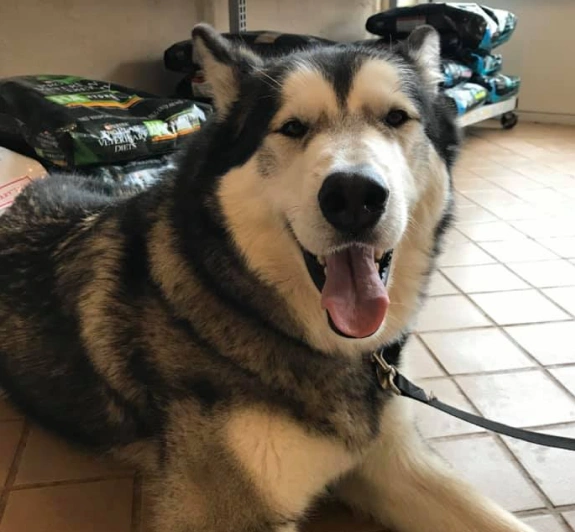

Gentle, Expert Care for Older Pets
At our Ellicott Street Animal Hospital, we’re dedicated to helping your senior pet stay healthy, comfortable, and happy. Our experienced veterinary team works closely with you to create a personalized care plan that addresses your pet’s changing needs—including nutrition, mobility, appetite, dental health, and any age-related conditions. Our goal is to support a high quality of life for your beloved companion throughout their golden years.
The Importance of Senior Pet Care
As pets grow older, they experience natural physical changes that can lead to a variety of health issues. Senior pets are more susceptible to conditions like arthritis, which can cause pain, stiffness, and reduced mobility. Addressing these concerns with proper pain management and mobility support is key to keeping your pet comfortable and active.
Dental health is also a major concern for aging pets. Accumulated plaque and tartar can result in gum disease, tooth loss, and even affect vital organs like the heart, liver, and kidneys. Regular professional dental cleanings and consistent at-home care are essential for preventing these issues and supporting your senior pet’s overall health.
Tailoring Care for Your Senior Pet’s Age
The age at which a pet is considered a senior can vary based on their breed and size. In general, most dogs and cats are classified as seniors around 7 years old. However, larger dog breeds tend to age more quickly and may reach senior status as early as 5 to 6 years of age. It's best to consult with our veterinary team to determine when your specific pet should begin senior-focused care.
Common Health Issues in Aging Pets
Senior pets have unique health needs that differ from those of younger animals. As they age, they are more likely to experience issues like arthritis, dental disease, and decreased vision or hearing. Regular wellness exams and proactive care can help detect these changes early, improving both longevity and quality of life. Older pets may also need dietary adjustments and modified exercise routines to support healthy weight management and reduce the risk of age-related conditions.

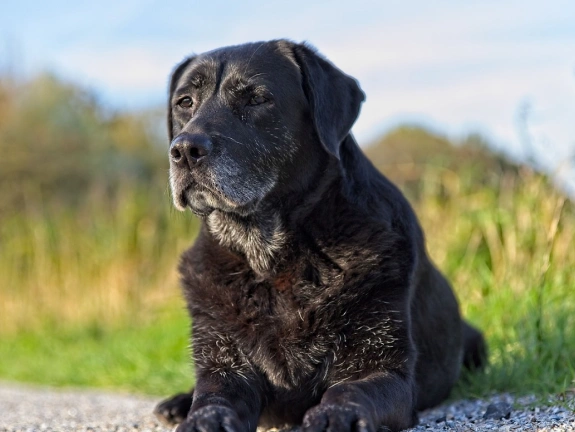
Signs of Aging in Pets
As pets grow older, they often show noticeable changes in their behavior, physical appearance, and overall health. Common signs of aging may include:
- Graying hair or fur
- Lower energy levels and reduced activity
- Stiffness or difficulty moving
- Changes in appetite or body weight
- Altered sleep patterns
- Increased thirst and urination
- Vision or hearing decline
- Bad breath or other dental issues
What to Expect with Senior Pet Care
Caring for a senior pet typically involves regular veterinary exams, blood tests, and preventative treatments like vaccinations and parasite control. We may also suggest a tailored diet and exercise plan to support your pet’s changing needs. Following our recommendations and maintaining routine check-ups is essential to keeping your senior companion healthy and comfortable.
Arthritis in Senior Pets
Arthritis is a common condition in older pets that can cause pain and stiffness. Signs to watch for include difficulty moving, reduced activity, and reluctance to exercise. If your pet shows these symptoms, please consult us for an accurate diagnosis and treatment options.
Therapies for Senior Pet Pain Management
Several treatments can help manage pain in senior pets, including:

Medications
Prescription pain relievers to alleviate discomfort from arthritis or other conditions.
Supplements
Nutritional supplements like glucosamine and chondroitin to support joint health and reduce inflammation.