$50 Off First Visit for New Clients

Surgeries on a pet’s internal organs, skin, or muscles can impact their quality of life. These procedures are often necessary to address lumps, injuries, or internal health issues and are a vital part of the treatment plan. Many pets will need surgery at least once, and the success of the procedure depends on careful planning, precise execution, and close monitoring during recovery. Understanding your pet’s anatomy and maintaining accuracy are crucial to helping them heal and feel better.
Understanding Soft Tissue Procedures
Soft tissue surgery involves procedures on internal body parts not related to bones or joints. It plays a vital role in veterinary care by addressing issues in the belly, chest, digestive system, reproductive organs, and skin. Soft tissue surgery in pets is performed to remove tumors, repair injuries, treat organ problems, and handle emergencies. When these procedures are done carefully, they help pets feel more comfortable, prevent future health issues, and support their overall well-being.
This group of procedures includes spay and neuter surgeries, removing growths, bladder stones, wounds, and performing operations on the stomach and intestines, as well as spleen removal. Some procedures are planned, while others must be performed quickly during emergencies. Each surgery follows a careful process that includes diagnosing the problem, performing pre-surgical tests, administering anesthesia, performing the operation, and supporting the patient during recovery.
Why Surgical Precision Matters
During surgery, every cut, stitch, and layer of tissue requires careful attention. It is crucial to handle internal organs gently to prevent any damage. Surgeons monitor bleeding, assess tissue condition, look for signs of infection, and respond to anesthesia as needed. The success of the operation depends on a good understanding of anatomy, making quick, informed decisions, and using the appropriate techniques. The main goal is to fix the problem while protecting healthy tissue and helping pets recover comfortably and smoothly.
Before a pet undergoes surgery, a thorough check-up is conducted to identify any potential risks and determine the best approach. Blood tests, imaging, and a physical examination are performed to ensure anesthesia is safe and appropriate for the pet. The surgery area must be kept clean, using sterile tools and proper monitoring throughout the procedure.
When Soft Tissue Surgery in Pets is Needed
A dog or cat can appear healthy externally yet still develop underlying health concerns. Early detection of these issues helps with smoother procedures and boosts the likelihood of a positive outcome. Surgery is frequently advised in such cases to resolve the problems.
- Lumps, masses, or abnormal growths
- Organ-related disease in the spleen, liver, or intestines
- • Bladder stones and urinary tract complications
- • Injuries requiring sutures or reconstructive repair
- • Breathing obstructions or airway issues
- • Gastrointestinal blockage from toys, bones, or fabric
- • Emergency infections needing internal drainage
Some health problems develop gradually and may not show obvious signs. A small lump might seem harmless at first, but it can grow quickly and lead to complications. Bladder stones may cause only mild discomfort initially, yet they can block urine flow, leading to an emergency. Swallowing foreign objects might seem like an upset stomach, but internal blockages can be life-threatening if not treated promptly.
Pet owners should look out for symptoms such as vomiting, blood in the urine, difficulty breathing, swelling, sudden pain, open wounds, weight loss, or changes in appetite.
Safe Anesthesia and Surgical Monitoring
Anesthesia plays an essential role in soft-tissue procedures for pets, ensuring their safety throughout the procedure. During surgery, pets are carefully watched, with their heart rate, oxygen levels, blood pressure, and temperature checked regularly to keep them stable. The anesthetic drugs are selected based on the pet’s species, weight, organ health, and medical history to provide the best possible care.
After soft-tissue surgery in pets, controlling discomfort helps them heal more quickly and stay calmer. Using anti-inflammatory drugs, antibiotics, and supportive treatments ensures a smooth recovery. Owners are provided with clear instructions for monitoring at home, caring for wounds, restricting activity, and attending follow-up appointments.
Ensuring comfort, hydration, proper nutrition, and limited movement aids in recovery. Pets that rest in clean, quiet spaces and stick to post-op instructions tend to resume their routines sooner.
Recovery and Long-Term Healing
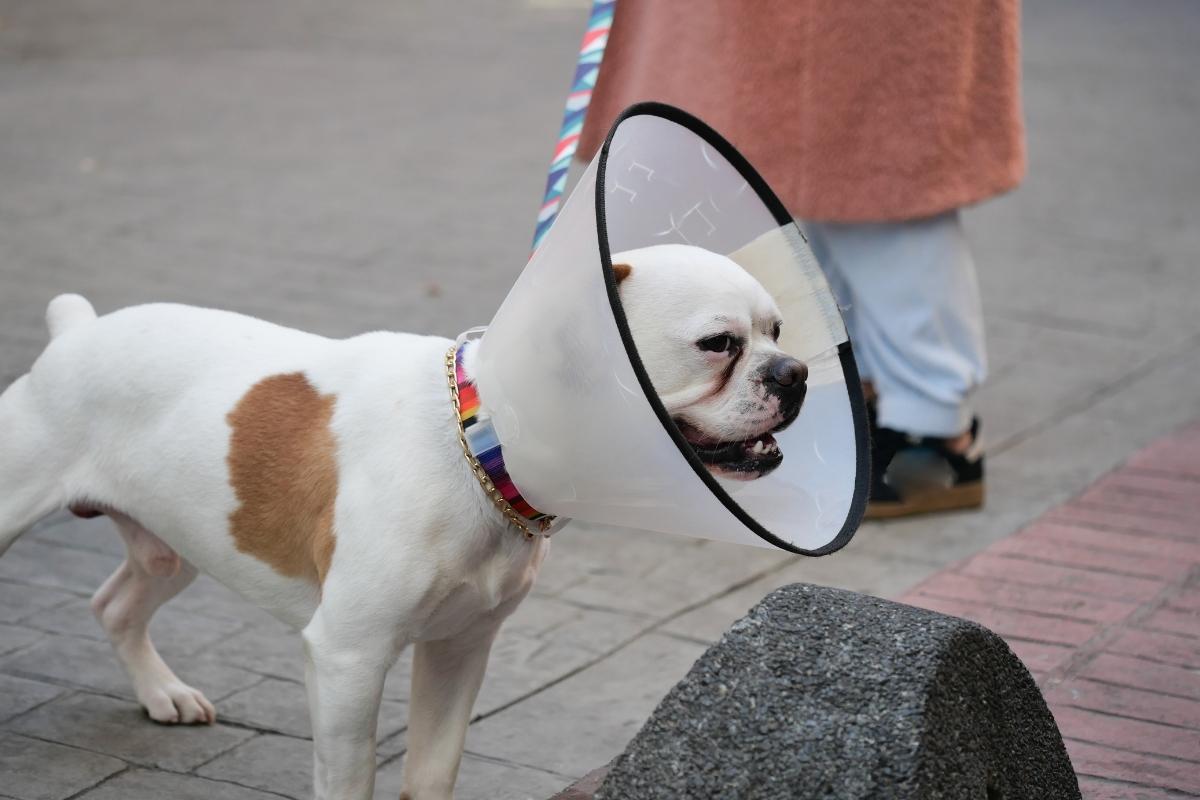
Minor surgeries typically need about a week of rest, while surgeries involving internal organs may require several weeks to recover. It is crucial to monitor pets closely after surgery to prevent licking the incision, pulling out stitches, or being too active too soon. Using a cone or a recovery suit can help protect the surgical area. Follow-up vet visits are needed to assess healing progress, check any drains, and remove stitches when appropriate.
Monitoring energy levels, appetite, bathroom habits, and the appearance of the incision is vital, as changes can indicate issues. Symptoms such as swelling, redness, pus, or abnormal discharge should be taken seriously, as they may indicate an infection. If your pet suddenly becomes extremely tired or begins vomiting, seeking veterinary care quickly is essential.
Surgery offers long-term benefits, such as:
- Increased patient comfort
- Restored organ function
- Slowed disease progression
- Improved mobility.
- In cancer treatment, tumor removal significantly improves quality of life.
- Preventive measures such as spaying reduce the risk of reproductive cancers and prevent heat-related health problems.
Supporting Your Pet’s Health
Performing soft tissue surgery requires careful planning, proper anesthesia, and thorough aftercare. Although outcomes vary depending on the condition, using careful techniques, acting quickly, and providing recovery support offer pets the best chance for successful healing. The process involves collaboration between the veterinarian and the pet owner to ensure proper follow-through at home.
If your pet requires surgical assessment or you have worries about a lump, injury, or internal issue, contact Ellicott Street Animal Hospital in Buffalo, NY to arrange an appointment and explore care options suited to your pet’s health.
FAQs
1. When do pets need surgery?
Ans: Pets need surgery when disease, injury, or internal complications cannot be managed with medication alone. Growths, blockages, or infections often require surgical removal. Early evaluation increases success rates, shortens recovery, and reduces the risk of complications or worsening symptoms.
2. Is soft tissue surgery common?
Ans: Yes. Many pets undergo at least one soft-tissue procedure during their lifetimes. Common surgeries include spay/neuter, mass removals, and gastrointestinal operations. Early diagnosis ensures healthier healing and prevents emergencies caused by untreated internal problems.
3. How is anesthesia managed?
Ans: Pets receive anesthesia based on weight, age, and medical condition. During surgery, monitoring equipment tracks heart rate, oxygen saturation, and temperature. This helps maintain stability. Post-surgical pain medications help relieve discomfort during recovery while the body heals.
4. How long does the recovery take?
Ans: Minor surgeries may heal within 7-14 days. Internal procedures may require more extended rest and supervision. Incision care, medication, and follow-up visits help ensure proper healing. Activity restriction prevents strain and improves long-term comfort and mobility.
5. What signs show a pet needs evaluation?
Ans: Signs include swelling, vomiting, blood in the urine, breathing difficulty, persistent pain, open wounds, loss of appetite, or unexplained weight changes. Any sudden behavioral shift should be assessed. Early diagnosis prevents complications and supports faster recovery.