$50 Off First Visit for New Clients

Providing the right nutrition is one of the most important ways to support your pet’s overall health, longevity, and quality of life. Whether you have a playful puppy, a curious kitten, or a senior companion, proper feeding habits can make a significant difference in preventing disease and maintaining energy levels. At Ellicott Street Animal Hospital, we believe that informed pet owners can make better choices when it comes to nutrition and wellness.
Why Proper Nutrition Matters for Pets
Just like humans, dogs and cats require a balanced diet that includes essential nutrients such as proteins, fats, carbohydrates, vitamins, and minerals. A well-balanced diet helps:
- Maintain a healthy weight
- Support immune system function
- Promote healthy skin and coat
- Improve digestion
- Reduce the risk of chronic diseases
Poor nutrition, on the other hand, can lead to obesity, diabetes, joint problems, and other serious health conditions. Consulting a veterinarian ensures your pet receives the right diet tailored to their unique needs.
Understanding Your Pet’s Nutritional Needs
Nutritional requirements vary depending on several factors, including age, breed, activity level, and health status.
1. Life Stage Nutrition
- Puppies and Kittens: Require higher calories, protein, and essential nutrients for growth and development.
- Adult Pets: Need a balanced diet to maintain energy and overall health.
- Senior Pets: May require fewer calories but more joint support and easily digestible ingredients.
2. Breed and Size Considerations
Large breed dogs may need diets that support joint health, while smaller breeds often require calorie-dense food due to higher metabolism.
3. Health Conditions
Pets with medical conditions such as allergies, kidney disease, or diabetes often need specialized diets. Always consult a veterinarian before making dietary changes.
Choosing the Right Pet Food
With so many options available, selecting the right food can feel overwhelming. Here are some tips to guide you:
Look for High-Quality Ingredients
Choose pet food that lists real meat as the primary ingredient. Avoid products with excessive fillers, artificial preservatives, or by-products.
Check for Nutritional Adequacy
Ensure the food meets standards set by recognized authorities like AAFCO (Association of American Feed Control Officials).
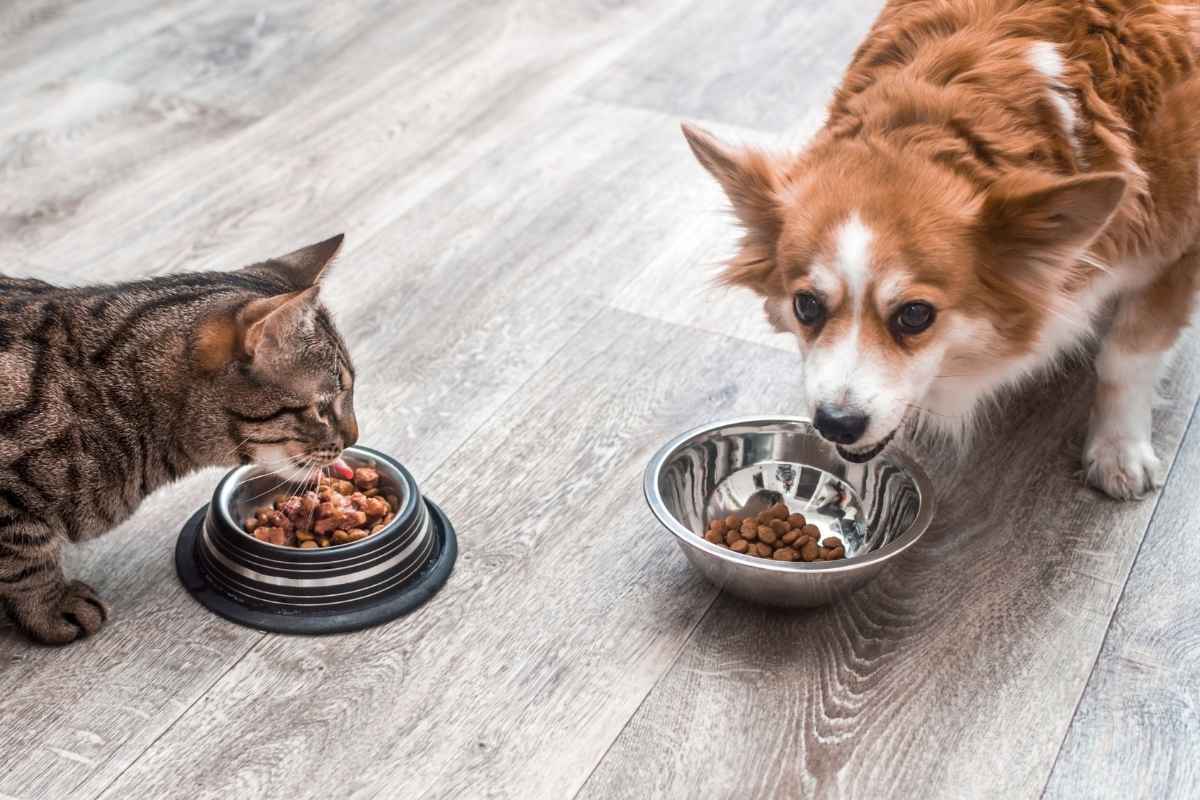
Consider Wet vs. Dry Food
- Dry Food (Kibble): Convenient and supports dental health
- Wet Food: Higher moisture content, beneficial for hydration
A combination of both may provide balanced benefits.
Portion Control and Feeding Schedule
Overfeeding is one of the leading causes of obesity in pets. Maintaining proper portion sizes is essential.
Tips for Portion Control:
- Follow feeding guidelines on the food label
- Adjust portions based on your pet’s activity level
- Use a measuring cup for accuracy
Establish a Feeding Routine:
- Feed pets at the same times each day
- Avoid free-feeding unless recommended
- Limit treats to no more than 10% of daily calorie intake
Importance of Hydration
Water is just as important as food. Ensure your pet always has access to clean, fresh water. Cats, in particular, benefit from increased hydration, which can help prevent urinary tract issues.
Healthy Treats and Snacks
Treats can be part of a healthy diet when given in moderation. Opt for nutritious options such as:
- Small pieces of cooked lean meat
- Pet-safe fruits and vegetables (like carrots or blueberries)
- Commercial treats with natural ingredients
Avoid feeding table scraps, as many human foods can be harmful to pets.
Foods to Avoid
Certain foods are toxic to dogs and cats and should never be given:
- Chocolate
- Grapes and raisins
- Onions and garlic
- Alcohol
- Xylitol (a common sweetener)
If your pet accidentally consumes any of these, contact a veterinarian immediately.
Monitoring Your Pet’s Weight and Health
Regularly monitoring your pet’s weight is crucial for early detection of health issues. Signs your pet may need a dietary adjustment include:
- Sudden weight gain or loss
- Low energy levels
- Digestive issues
- Changes in coat quality
Routine checkups at Ellicott Street Animal Hospital help ensure your pet stays on track with their nutritional needs.
The Role of Your Veterinarian
A veterinarian plays a vital role in guiding your pet’s nutrition plan. From recommending the right food to identifying dietary sensitivities, professional advice ensures your pet receives optimal care.
If you’re unsure about your pet’s current diet or considering a change, it’s always best to consult a veterinarian who understands your pet’s medical history and lifestyle.
Proper nutrition is the foundation of a long, healthy life for your pet. If you have questions about your dog or cat’s diet or need personalized recommendations, don’t hesitate to reach out.
Schedule an appointment with Ellicott Street Animal Hospital today to work with an experienced veterinarian and create a nutrition plan tailored to your pet’s needs in Buffalo and the surrounding area.
Frequently Asked Questions (FAQs)
1. How do I know if I’m feeding my pet the right amount?
Feeding guidelines on pet food labels are a good starting point, but every pet is different. A veterinarian can help determine the ideal portion based on your pet’s weight, age, and activity level.
2. Is grain-free food better for my pet?
Not necessarily. Grain-free diets are only recommended in specific cases, such as food allergies. Consult a veterinarian before switching to grain-free options.
3. How often should I feed my dog or cat?
Most adult pets do well with two meals per day, while puppies and kittens may require more frequent feeding.
4. Can I give my pet homemade food?
Homemade diets can be beneficial if properly balanced, but they require careful planning. Always consult a veterinarian to ensure nutritional completeness.
5. What are signs of poor nutrition in pets?
Common signs include dull coat, weight changes, low energy, digestive problems, and frequent illness.
6. When should I switch my pet’s food?
Diet changes should be made gradually over 7–10 days and ideally under the guidance of a veterinarian, especially if your pet has health concerns.