$50 Off First Visit for New Clients

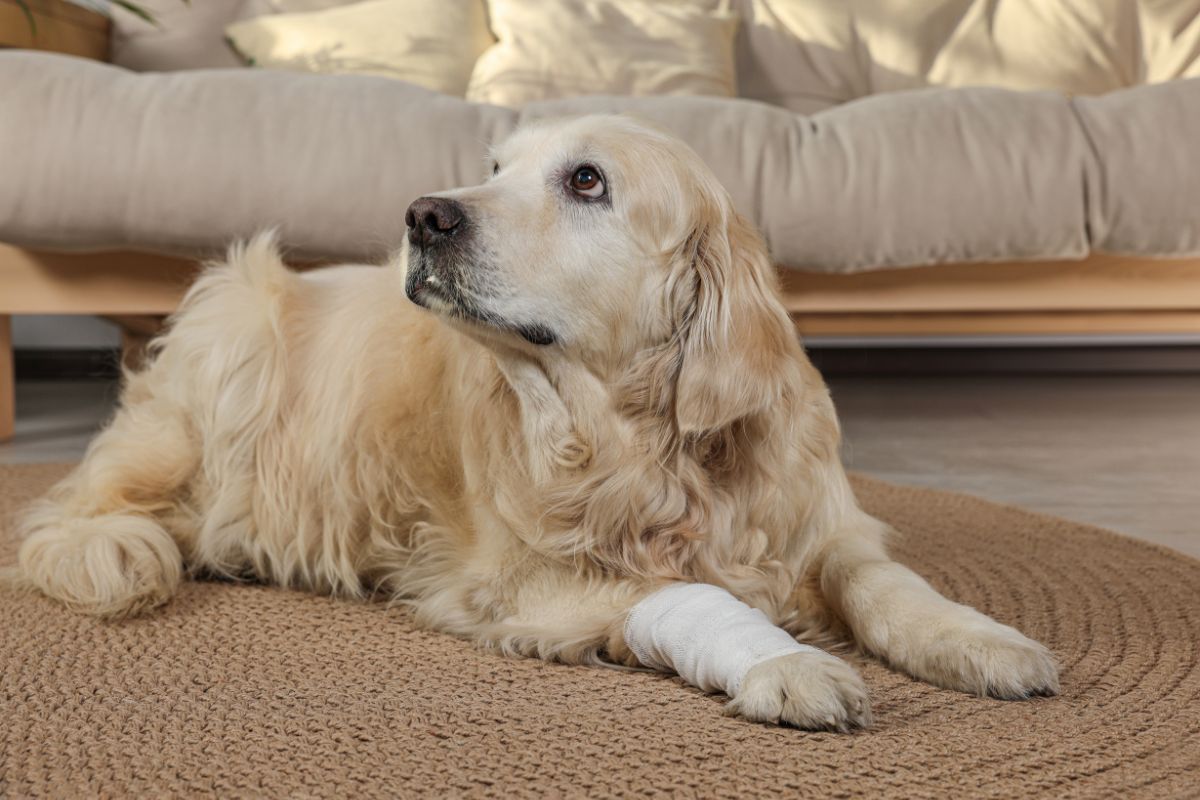
Arthritis is one of the most common chronic conditions affecting dogs, especially as they age. However, many pet owners don’t recognize the early warning signs until the condition has progressed and begins to impact their dog’s quality of life. Understanding the subtle changes in your dog’s behavior and mobility can make a significant difference in managing pain and slowing disease progression. If you live in Buffalo or the surrounding area, staying proactive about your pet’s joint health is essential for keeping them active and comfortable year-round.
What Is Arthritis in Dogs?
Arthritis, also known as osteoarthritis or degenerative joint disease, occurs when the cartilage that cushions your dog’s joints begins to break down. This leads to inflammation, stiffness, and pain. While it is more common in senior dogs, arthritis can also affect younger pets due to injury, genetics, or developmental conditions.
Early detection is key. The sooner a veterinarian identifies arthritis, the more effectively it can be managed with lifestyle changes, medications, and supportive therapies.
Early Signs of Arthritis in Dogs
Recognizing early symptoms can be challenging because they often develop gradually. Here are the most common signs every dog owner should watch for:
1. Decreased Activity Levels
If your dog seems less interested in walks, playtime, or activities they once loved, it could be more than just aging. Reduced energy levels may indicate joint discomfort.
2. Stiffness, Especially After Rest
Dogs with early arthritis often show stiffness when getting up from a lying or sitting position. You may notice your dog taking a few slow steps before moving normally.
3. Difficulty Climbing Stairs or Jumping
Hesitation or reluctance to climb stairs, jump onto furniture, or get into the car can be an early red flag. These movements put pressure on the joints, making them painful for affected dogs.
4. Limping or Favoring a Limb
Even mild limping or shifting weight away from one leg can signal joint pain. This may come and go, making it easy to overlook.
5. Behavioral Changes
Pain can affect your dog’s mood. Irritability, withdrawal, or reduced interaction with family members may be linked to discomfort caused by arthritis.
6. Licking or Chewing at Joints
Dogs sometimes lick or chew at sore joints in an attempt to soothe the pain. Pay attention if this behavior becomes frequent.
7. Changes in Posture or Gait
A dog with arthritis may walk differently, with a slower pace or altered posture. You might notice a “bunny hopping” motion or stiffness in their stride.
Causes and Risk Factors
Several factors can increase a dog’s risk of developing arthritis:
- Age: Older dogs are more prone to joint degeneration
- Breed: Large and giant breeds are at higher risk
- Obesity: Excess weight puts additional strain on joints
- Previous Injuries: Trauma or surgery can lead to joint issues
- Genetics: Some dogs are predisposed to joint problems
Understanding these risk factors can help you take preventive measures early in your dog’s life.
Why Early Detection Matters
Catching arthritis in its early stages allows for better management and improved quality of life. Without intervention, the condition can worsen, leading to chronic pain and decreased mobility.
A skilled veterinarian can assess your dog’s symptoms, perform a physical exam, and recommend diagnostic tests such as X-rays if needed. Early treatment plans often include a combination of weight management, exercise modifications, and medications.
How Arthritis Is Diagnosed
Diagnosis typically involves:
- A thorough physical examination
- Discussion of your dog’s medical history and symptoms
- Imaging tests like X-rays to evaluate joint health
Your veterinarian may also assess your dog’s range of motion and look for signs of inflammation or pain during movement.
Treatment and Management Options
While arthritis cannot be cured, it can be effectively managed. Treatment plans are tailored to your dog’s specific needs and may include:
1. Weight Management
Maintaining a healthy weight reduces stress on joints and slows disease progression.
2. Controlled Exercise
Regular, low-impact activities like walking or swimming help keep joints flexible without causing additional strain.
3. Medications
Anti-inflammatory medications and pain relievers may be prescribed to improve comfort and mobility.
4. Joint Supplements
Supplements containing glucosamine and chondroitin can support joint health over time.
5. Physical Therapy
Rehabilitation exercises and therapies can strengthen muscles and improve joint function.
6. Lifestyle Adjustments
Providing orthopedic bedding, ramps, and non-slip flooring can make daily life easier for dogs with arthritis.
When to See a Veterinarian
If you notice any of the early signs mentioned above, it’s important to consult a veterinarian promptly. Even subtle changes in behavior or movement can indicate underlying joint issues.
Pet owners in Buffalo and the surrounding area can rely on experienced veterinary care to evaluate their dog’s condition and create a personalized treatment plan. Early intervention not only reduces pain but also helps maintain your dog’s mobility and independence for as long as possible.
Supporting Your Dog at Home
In addition to professional care, there are steps you can take at home to support your dog:
- Keep your dog at a healthy weight
- Provide regular, gentle exercise
- Use ramps instead of stairs when possible
- Ensure a warm and comfortable resting area
- Monitor for changes in behavior or mobility
Consistency is key. Small adjustments can make a big difference in your dog’s comfort and overall well-being.
If your dog is showing signs of stiffness, reduced activity, or discomfort, don’t wait for symptoms to worsen. Early care can greatly improve your pet’s quality of life. Schedule an appointment today to have your dog evaluated by a trusted veterinarian and begin a proactive approach to joint health.
Frequently Asked Questions:
1. What age do dogs typically develop arthritis?
Ans: Arthritis is more common in senior dogs, but it can develop earlier due to injury, genetics, or obesity.
2. Can arthritis in dogs be cured?
Ans: Arthritis cannot be cured, but it can be managed effectively with proper veterinary care and lifestyle adjustments.
3. How can I tell if my dog is in pain?
Ans: Signs of pain include limping, stiffness, reduced activity, behavioral changes, and difficulty with movement.
4. Is exercise good for dogs with arthritis?
Ans: Yes, low-impact exercise helps maintain joint flexibility and muscle strength, but it should be tailored to your dog’s condition.
5. Are certain dog breeds more prone to arthritis?
Ans: Yes, large breeds like Labrador Retrievers, German Shepherds, and Golden Retrievers are more susceptible to joint issues.
6. When should I take my dog to a veterinarian for arthritis symptoms?
Ans: You should consult a veterinarian as soon as you notice early signs such as stiffness, limping, or decreased activity to ensure timely diagnosis and care.