$50 Off First Visit for New Clients

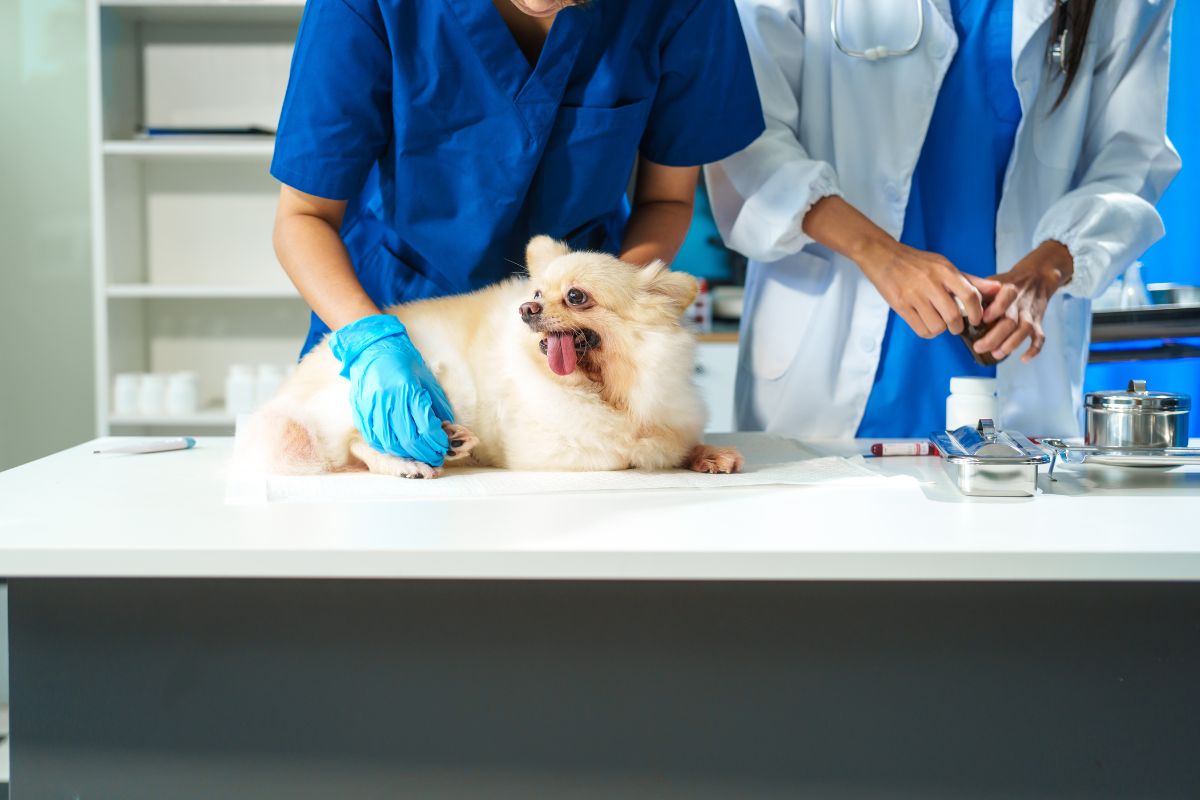
Taking your pet to the vet is one of the most important responsibilities of pet ownership. Regular visits help detect health concerns early, keep vaccinations up to date, and ensure your pet enjoys a long and comfortable life. Yet many pet owners arrive at appointments unsure of what to bring or what questions to ask. With the right preparation, every visit can be more productive, less stressful, and truly beneficial for your pet’s wellbeing.
This guide will walk you through everything you need to know to prepare for a veterinary visit, ask the right questions, and make the most of your time with your veterinarian.
Why Preparation Matters Before Every Vet Visit
A veterinary appointment is often limited in time, so being prepared allows you to cover all concerns without feeling rushed. When you come organized, your veterinarian can better understand your pet’s condition and provide accurate guidance.
Preparation also helps reduce anxiety for both you and your pet. Pets often pick up on their owner’s emotions, so a calm and confident approach can make the experience smoother.
What to Bring to Your Veterinary Appointment
Before heading out, make sure you have all the essentials ready. Bringing the right information can make a significant difference in diagnosis and treatment.
Medical Records and History
If you are visiting a new clinic, carry your pet’s previous medical records. This includes vaccination history, past illnesses, and any ongoing treatments.
List of Symptoms
Write down any unusual behaviors or symptoms you have noticed. Include details such as when they started, how often they occur, and whether they are getting better or worse.
Medications and Supplements
Bring any medications your pet is currently taking. This helps your veterinarian check for interactions or adjust dosages if needed.
Diet Details
Be ready to discuss your pet’s diet. Mention the type of food, portion sizes, feeding schedule, and any recent changes.
Comfort Items
For anxious pets, bringing a familiar blanket or toy can help them feel more secure during the visit.
How to Prepare Your Pet for the Visit
Preparation is not just about paperwork. Your pet’s comfort is equally important.
Get Your Pet Comfortable with Travel
If your pet is not used to car rides, take short trips leading up to the appointment. This can reduce stress on the actual day.
Use a Proper Carrier or Leash
Cats should be in a secure carrier, while dogs should be on a leash. This ensures safety and prevents unnecessary anxiety in the waiting area.
Avoid Feeding Right Before the Visit
In some cases, your vet may need to perform tests that require an empty stomach. It is best to confirm this beforehand.
Essential Questions to Ask Your Veterinarian
Knowing what to ask can help you gain valuable insights into your pet’s health. Here are some important questions to consider during your visit.
Questions About General Health
Ask if your pet is at a healthy weight and whether their current lifestyle supports their wellbeing. You can also inquire about breed specific health concerns.
Questions About Preventive Care
Discuss vaccinations, parasite prevention, and routine screenings. Ask how often your pet should come in for checkups.
Questions About Diet and Nutrition
Find out if your pet’s current diet meets their needs. Ask for recommendations based on age, breed, and activity level.
Questions About Behavior
If your pet is showing unusual behavior, bring it up. Behavioral changes can often indicate underlying health issues.
Questions About Dental Health
Dental care is often overlooked. Ask how to maintain your pet’s oral hygiene and whether professional cleaning is needed.
Understanding What Happens During a Vet Visit
A typical veterinary visit involves several steps that help assess your pet’s overall health.
Physical Examination
The vet will check your pet’s eyes, ears, skin, coat, and body condition. They will also listen to the heart and lungs.
Diagnostic Tests
Depending on your pet’s condition, tests such as blood work, urine analysis, or imaging may be recommended.
Discussion and Recommendations
After the examination, your veterinarian will explain their findings and suggest treatments or preventive measures.
Tips to Make Every Visit Stress Free
A calm environment can make a big difference in how your pet experiences veterinary visits.
Stay Calm and Positive
Pets are sensitive to your emotions. Staying relaxed can help them feel at ease.
Reward Your Pet
Bring treats or offer praise after the visit. This creates a positive association with vet trips.
Schedule Regular Visits
Routine visits help your pet become familiar with the clinic, reducing fear over time.
Choosing the Right Veterinary Partner
Having a reliable veterinary clinic ensures your pet receives consistent and high quality care. A trusted clinic will not only treat illnesses but also guide you on preventive care and long term wellness.
If you are looking for compassionate and comprehensive veterinary care in Buffalo, consider scheduling a visit with Ellicott Street Animal Hospital. Their team focuses on personalized care and helps pet owners make informed decisions for their furry companions. You can also check a trustworthy review from our satisfied pet owner to understand the quality of care and experience provided.
Building a Long Term Health Plan for Your Pet
Each veterinary visit is an opportunity to build a long term health strategy. Work with your veterinarian to create a plan that includes regular checkups, vaccinations, nutrition guidance, and preventive treatments.
Consistency is key. By staying proactive and attentive, you can prevent many common health issues and ensure your pet lives a happy and healthy life.
Frequently Asked Questions
1. How often should I take my pet to the vet
Ans: Most pets should visit the vet at least once a year. Puppies, kittens, and senior pets may need more frequent visits.
2. What should I do if my pet is scared of the vet
Ans: Start by getting your pet comfortable with travel and handling. Bring familiar items and use positive reinforcement during and after the visit.
3. Can I ask multiple questions during one appointment
Ans: Yes, you should ask all your concerns. Writing them down beforehand helps ensure nothing is missed.
4. Is it necessary to fast my pet before every visit
Ans: Not always. Fasting is usually required only for specific tests or procedures. Check with your vet before the appointment.
5. How can I tell if my pet needs an urgent visit
Ans: Signs such as vomiting, difficulty breathing, sudden lethargy, or injuries require immediate veterinary attention.
6. What if I forget to ask something during the visit
Ans: You can always contact your veterinary clinic afterward. Many clinics are happy to answer follow-up questions.