$50 Off First Visit for New Clients

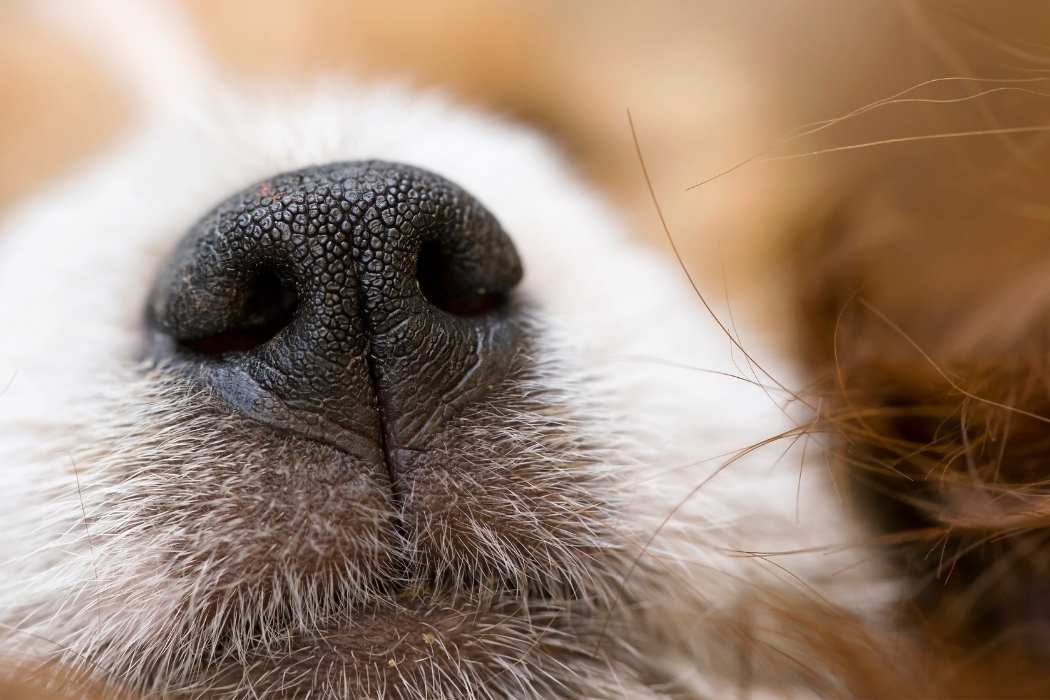
A dog’s nose is often one of the first things pet owners notice when checking on their pet’s health. While many people believe a healthy dog should always have a cold, wet nose, that’s not entirely true. Dogs can develop dry noses for many harmless reasons, but in some cases, dryness may signal an underlying health concern that requires veterinary attention.
At Ellicott Street Animal Hospital, we help pet owners in Buffalo understand the causes of dry noses in dogs and provide effective treatment options when needed. Knowing when a dry nose is normal and when it may indicate illness can help protect your dog’s comfort and overall health.
Is a Dry Nose Always a Problem?
Not necessarily. A dog’s nose naturally changes moisture levels throughout the day. Some dogs wake up with dry noses after sleeping because they haven’t licked their noses for several hours. Weather conditions, indoor heating, sun exposure, and normal aging can also cause temporary dryness.
However, if the dryness is persistent or accompanied by symptoms such as cracking, bleeding, swelling, lethargy, or loss of appetite, it may be time to consult a veterinarian.
Common Reasons Dogs Develop Dry Noses
Dehydration
One of the most common causes of a dry nose is dehydration. Dogs who are not drinking enough water may experience dryness around the nose and mouth.
Signs of dehydration may include:
- Dry gums
- Sunken eyes
- Excessive panting
- Low energy
- Reduced appetite
Dogs can become dehydrated due to hot weather, exercise, illness, vomiting, or diarrhea. Ensuring constant access to fresh water is essential, especially during warmer months in Buffalo.
Environmental Factors
Changes in weather and indoor environments can affect your dog’s nose moisture. Dry winter air, home heating systems, air conditioning, and prolonged sun exposure may all contribute to dryness.
Some dogs also develop mild irritation from contact with plastic food or water bowls. Switching to stainless steel or ceramic bowls may help reduce irritation and dryness.
Allergies
Environmental or food allergies can sometimes cause dry, irritated noses in dogs. Allergic reactions may also lead to itching, redness, sneezing, watery eyes, or skin irritation.
Common allergy triggers include:
- Pollen
- Dust mites
- Mold
- Certain foods
- Household cleaning products
Veterinarians can help identify allergy triggers and recommend treatment options to keep your dog comfortable.
Sunburn
Dogs with light-colored noses or thin fur are more susceptible to sunburn. Excessive sun exposure can dry out the nose and cause redness, peeling, or cracking.
Sunburned noses may become painful and increase the risk of skin damage over time. Pet-safe sunscreen and limiting outdoor exposure during peak sunlight hours can help protect sensitive dogs.
Aging
Senior dogs often experience changes in skin and nose texture as they age. Older dogs may naturally develop drier noses due to reduced moisture production. While mild dryness is usually not concerning, excessive cracking or discomfort should still be evaluated by a veterinarian.
Medical Conditions That Can Cause Dry Noses
In some cases, a persistently dry nose may indicate an underlying medical issue that requires veterinary care.
Hyperkeratosis
Nasal hyperkeratosis occurs when excess skin cells build up on the surface of the nose, creating a thick, crusty, or cracked appearance. This condition is more common in older dogs and certain breeds.
Symptoms may include:
- Rough or crusty nose texture
- Thickened skin
- Cracks or fissures
- Sensitivity or discomfort
Veterinarians often recommend moisturizing treatments and ongoing management to improve comfort.
Autoimmune Disorders
Some autoimmune diseases can affect the nose and skin. Conditions such as discoid lupus erythematosus or pemphigus may cause dryness, crusting, discoloration, or sores around the nose.
These conditions require prompt veterinary evaluation because early diagnosis often leads to better long-term management.
Fever or Illness
A dry nose alone does not confirm fever, but when combined with symptoms like lethargy, vomiting, coughing, or appetite loss, it may indicate illness.
Dogs experiencing infections or systemic disease often show additional signs that should never be ignored.
Skin Infections
Bacterial or fungal infections may affect the nose and surrounding skin. These infections can lead to dryness, crusting, discharge, or swelling.
Veterinary treatment may include medicated creams, oral medications, or additional testing to identify the underlying cause.
How Veterinarians Diagnose Dry Nose Conditions
At Ellicott Street Animal Hospital, veterinarians perform a complete physical examination to determine why your dog’s nose is dry.
Diagnosis may involve:
- Reviewing medical history
- Evaluating symptoms and lifestyle
- Checking hydration levels
- Examining skin and nasal tissue
- Allergy assessments
- Bloodwork or laboratory testing
- Skin scrapings or biopsies in severe cases
Identifying the root cause allows veterinarians to create the most effective treatment plan for your dog.
How Veterinarians Treat Dry Noses in Dogs
Treatment depends on the underlying cause of the dryness. Some dogs only need simple home-care adjustments, while others may require medical treatment.
Moisturizing Treatments
Veterinarians may recommend pet-safe moisturizing balms or ointments to soothe dry, cracked noses. These products help restore moisture and protect sensitive skin.
Never apply human lotions or medicated creams without veterinary guidance, as some ingredients may be harmful to dogs.
Hydration Support
If dehydration is contributing to the problem, increasing water intake is important. Veterinarians may also recommend fluid therapy in more serious cases.
Ways to encourage hydration include:
- Providing clean, fresh water daily
- Using pet fountains
- Offering wet food when appropriate
- Monitoring water intake during hot weather
Allergy Management
For dogs with allergies, treatment may involve:
- Prescription medications
- Diet changes
- Antihistamines
- Allergy testing
- Reducing environmental triggers
Managing allergies often improves both skin and nose health.
Treating Underlying Medical Conditions
If a medical issue such as hyperkeratosis, autoimmune disease, or infection is diagnosed, veterinarians may prescribe targeted medications and long-term management strategies.
Early treatment can help prevent discomfort and complications.
Preventing Dry Nose Problems in Dogs
While not all causes of dry noses are preventable, several simple steps can help maintain healthy skin and nasal tissue.
Keep Your Dog Hydrated
Fresh water should always be available, especially during warm weather or after exercise.
Protect Against Harsh Weather
Cold winds and dry indoor heat can irritate sensitive noses. Humidifiers may help improve indoor air moisture during Buffalo winters.
Limit Sun Exposure
Dogs with light-colored noses benefit from shade and pet-safe sunscreen during sunny outdoor activities.
Use Pet-Safe Products
Avoid harsh chemicals, scented cleaning products, or unsafe topical creams around your dog.
Schedule Routine Veterinary Exams
Regular wellness visits help identify health concerns before they become more serious. Persistent dryness, crusting, or changes in your dog’s nose should always be evaluated by a veterinarian.
When Should You Call a Veterinarian?
You should schedule a veterinary visit if your dog’s dry nose is accompanied by:
- Bleeding or cracking
- Swelling
- Thick crusts
- Nasal discharge
- Appetite loss
- Lethargy
- Fever-like symptoms
- Persistent discomfort
A dry nose may seem minor, but it can sometimes point to a larger health issue that requires professional care.
Compassionate Veterinary Care in Buffalo
At Ellicott Street Animal Hospital, our team is committed to helping dogs stay healthy and comfortable through every stage of life. Whether your dog is experiencing occasional dryness or signs of a more serious condition, we provide thorough evaluations and personalized treatment plans for pets throughout Buffalo and surrounding communities.
If you notice persistent dryness, cracking, or irritation on your dog’s nose, don’t wait for symptoms to worsen. Book an appointment with our veterinary team today to ensure your pet receives the care they need.
Frequently Asked Questions:
1. Why is my dog’s nose dry but they seem healthy?
Ans: Dogs can develop temporary dry noses after sleeping, spending time in dry air, or during weather changes. If your dog is otherwise acting normal, mild dryness is often harmless.
2. Can dehydration cause a dry nose in dogs?
Ans: Yes. Dehydration is a common reason dogs develop dry noses. Always make sure your dog has access to fresh water and contact a veterinarian if you notice additional symptoms.
3. Should I put lotion on my dog’s dry nose?
Ans: Only use products specifically approved for pets. Some human lotions and creams contain ingredients that may be toxic or irritating to dogs.
4. Can allergies make my dog’s nose dry?
Ans: Yes. Environmental and food allergies can contribute to nasal dryness, irritation, and inflammation in dogs.
5. Is a cracked dog nose serious?
Ans: Cracking can sometimes indicate hyperkeratosis, sunburn, infection, or autoimmune disease. Persistent cracking should be evaluated by a veterinarian.
6. When should I book a veterinary appointment for a dry nose?
Ans: You should book an appointment if the dryness lasts several days or is accompanied by bleeding, crusting, swelling, lethargy, or appetite changes.