$50 Off First Visit for New Clients

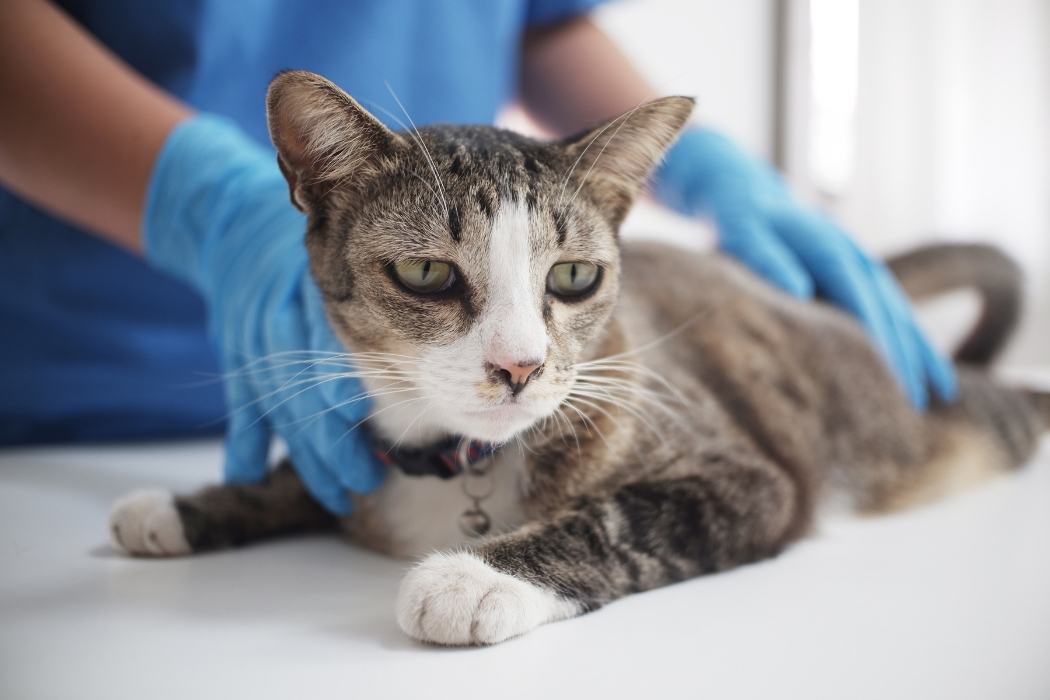
Cats are experts at hiding discomfort, which means health problems can sometimes go unnoticed until they become serious. One common feline urinary condition that requires prompt veterinary attention is bladder stones. These painful mineral formations can irritate the bladder, cause difficulty urinating, and in severe cases, lead to a life-threatening urinary blockage.
At Ellicott Street Animal Hospital in Buffalo, our veterinary team helps cat owners identify urinary problems early and provides personalized treatment plans to keep cats comfortable and healthy. Understanding how bladder stones are diagnosed and treated can help you recognize the warning signs before complications develop.
What Are Bladder Stones in Cats?
Bladder stones, also called uroliths, are hard mineral deposits that form inside a cat’s urinary bladder. These stones can range from tiny sand-like crystals to larger rock-like formations. Some cats develop a single stone, while others may have multiple stones of varying sizes.
The two most common types of bladder stones in cats are:
- Struvite stones
- Calcium oxalate stones
Different stone types develop for different reasons, including diet, urine concentration, urinary tract inflammation, infections, genetics, and underlying medical conditions.
Signs Your Cat May Have Bladder Stones
Bladder stones often cause irritation and inflammation within the urinary tract. Because the symptoms can resemble other urinary conditions, it is important to schedule a veterinary examination if you notice any unusual bathroom habits.
Common signs include:
- Frequent urination
- Straining in the litter box
- Crying while urinating
- Blood in the urine
- Urinating outside the litter box
- Excessive licking around the genital area
- Reduced urine production
- Lethargy or decreased appetite
Male cats are especially at risk for urinary blockage because their urethra is narrower than a female cat’s. A blocked cat may repeatedly attempt to urinate without producing urine. This is considered a medical emergency and requires immediate veterinary care.
What Causes Bladder Stones in Cats?
There is no single cause of bladder stones. Instead, veterinarians look at several contributing factors that may increase a cat’s risk, including:
Diet and Urine pH
Certain diets can influence the acidity or alkalinity of a cat’s urine. When minerals become too concentrated, crystals may begin to form and eventually develop into stones.
Dehydration
Cats naturally tend to drink less water than many other animals. Concentrated urine increases the likelihood of mineral buildup in the bladder.
Obesity and Low Activity
Overweight or sedentary cats may be more prone to urinary issues due to reduced water intake and changes in metabolism.
Stress
Stress can contribute to feline lower urinary tract disease (FLUTD), which may increase bladder inflammation and urinary problems.
Breed and Age
Some cat breeds may have a genetic predisposition to certain types of stones. Middle-aged and older cats are also more likely to develop urinary tract conditions.
How Veterinarians Diagnose Bladder Stones
Diagnosing bladder stones requires more than simply observing symptoms. Since urinary tract infections, inflammation, and other bladder disorders can produce similar signs, veterinarians use diagnostic testing to determine the exact cause.
At Ellicott Street Animal Hospital, diagnostic care is an important part of identifying urinary problems quickly and accurately.
Physical Examination
Your veterinarian will begin with a comprehensive physical exam. In some cases, larger bladder stones can be felt during abdominal palpation.
The veterinarian will also evaluate your cat’s hydration, pain level, and overall condition.
Urinalysis
A urinalysis helps veterinarians examine:
- Urine concentration
- pH balance
- Presence of blood
- Crystals
- Bacteria or infection
This test provides important clues about the type of stone that may be present.
X-Rays
Radiographs, commonly called X-rays, are one of the most effective ways to identify bladder stones. Many stones appear clearly on imaging and allow veterinarians to determine their size, number, and location.
Ultrasound
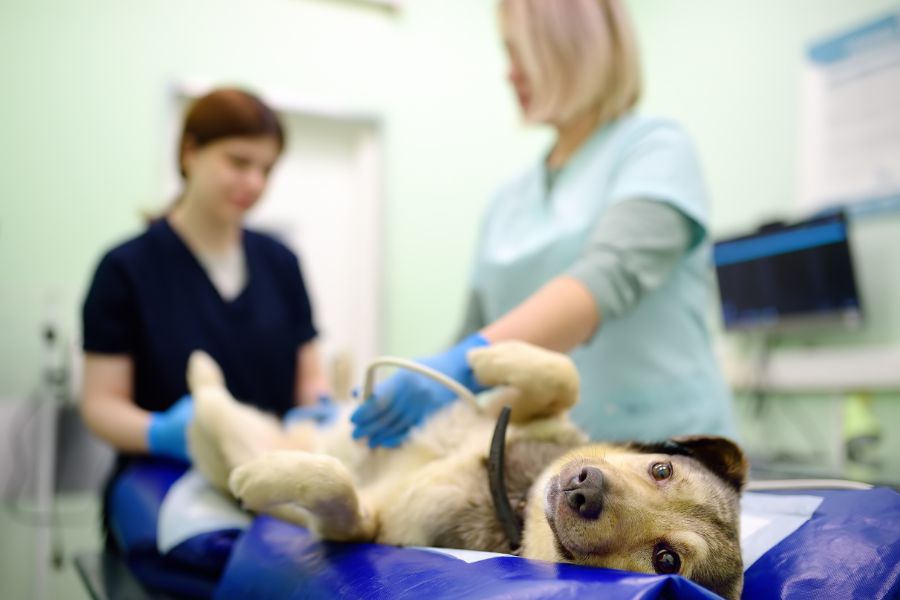
Ultrasound imaging can detect stones that may not show up well on X-rays and helps evaluate bladder inflammation or other abnormalities.
Blood Testing
Bloodwork may be recommended to assess kidney function, hydration status, and overall health, especially if a urinary blockage is suspected.
Treatment Options for Bladder Stones in Cats
Treatment depends on the type, size, and severity of the stones, as well as your cat’s overall health.
Prescription Diets
Some bladder stones, particularly struvite stones, can sometimes be dissolved using specially formulated prescription diets. These diets help adjust urine chemistry and reduce crystal formation.
Your veterinarian may also recommend increasing your cat’s water intake through:
- Wet food diets
- Water fountains
- Multiple water bowls throughout the home
Dietary management is often an important part of both treatment and prevention.
Medications
Cats with bladder stones may require medications to:
- Relieve pain
- Reduce inflammation
- Treat infection
- Relax the urinary tract
Medications are usually combined with other treatment methods for the best outcome.
Surgical Removal
Larger stones or stones that cannot dissolve often require surgery. A procedure called a cystotomy involves opening the bladder to remove the stones safely.
Surgery may be recommended if:
- Stones are causing repeated symptoms
- The bladder becomes blocked
- Stones are too large to pass
- Dietary dissolution is ineffective
Following surgery, stones are often analyzed to determine their mineral composition and help prevent recurrence.
Emergency Treatment for Urinary Blockage
If a cat becomes unable to urinate, emergency treatment is necessary immediately. A urinary blockage can quickly become life-threatening.
Emergency care may include:
- Catheterization to relieve the blockage
- IV fluids
- Pain management
- Hospitalization and monitoring
Prompt veterinary attention greatly improves recovery outcomes.
Recovery After Bladder Stone Treatment
Most cats recover well with proper veterinary care and ongoing monitoring. Recovery recommendations may include:
- Feeding a prescription urinary diet
- Encouraging hydration
- Follow-up urine testing
- Repeat X-rays or ultrasounds
- Weight management
- Stress reduction at home
Some cats may be prone to recurring urinary problems, making routine veterinary checkups especially important.
Can Bladder Stones Be Prevented?
While not every case can be prevented, there are several ways cat owners can help reduce the risk of recurrence.
Encourage More Water Intake
Hydration helps dilute minerals in the urine and supports bladder health. Many cats prefer running water, making pet fountains helpful.
Feed a Veterinarian-Recommended Diet
Cats with a history of bladder stones may require a long-term prescription diet designed for urinary health.
Keep the Litter Box Clean
Cats may avoid dirty litter boxes, leading to urine retention and urinary complications.
Reduce Stress
Stress management can support urinary health. Provide enrichment, hiding spots, scratching posts, and consistent routines for your cat.
Schedule Regular Veterinary Exams
Routine wellness visits help identify urinary changes before they become severe. Early diagnosis often leads to less invasive treatment and better outcomes.
When Should You Call a Veterinarian?
You should contact your veterinarian immediately if your cat:
- Strains to urinate
- Produces little or no urine
- Has blood in the urine
- Cries while using the litter box
- Stops eating
- Appears lethargic
Urinary issues can worsen quickly, particularly in male cats. Delaying treatment may increase the risk of complications.
The experienced veterinary team at Ellicott Street Animal Hospital provides compassionate diagnostic and treatment services for cats in Buffalo and surrounding communities. If your cat is showing signs of urinary discomfort, don’t wait to seek professional care. Book an appointment today to help protect your cat’s health and comfort.
FAQs
1. How do I know if my cat has bladder stones?
Ans: Common symptoms include straining to urinate, blood in the urine, frequent litter box visits, and urinating outside the litter box. Your veterinarian will confirm the diagnosis through testing and imaging.
2. Are bladder stones painful for cats?
Ans: Yes. Bladder stones can irritate the bladder lining and cause significant discomfort, inflammation, and pain while urinating.
3. Can bladder stones go away on their own?
Ans: Some struvite stones may dissolve with prescription diets and medical management, but many stones require veterinary treatment or surgery.
4. Are male cats more at risk?
Ans: Male cats are more likely to experience dangerous urinary blockages because their urethra is narrower.
5. Can bladder stones come back after treatment?
Ans: Yes. Some cats are prone to recurring urinary issues. Preventive diets, hydration, and routine veterinary monitoring can help reduce the risk.
6. When is bladder stone surgery necessary?
Ans: Surgery is usually recommended when stones are too large to dissolve, cause recurring symptoms, or create a urinary blockage