$50 Off First Visit for New Clients

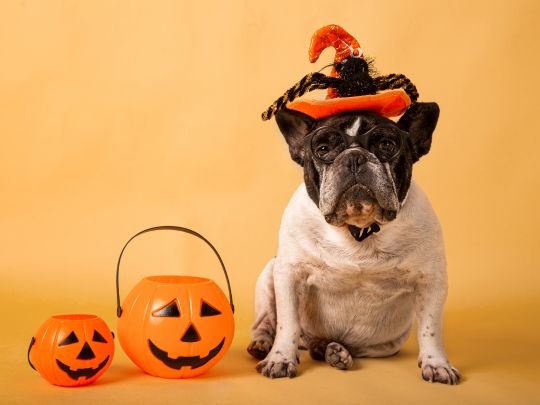
Halloween candy has a way of ending up everywhere. A bowl may sit by the front door, children may leave treat bags on the floor, or a few wrapped pieces may disappear under the couch. For a curious dog, finding that candy can be irresistible.
If your dog gets into Halloween treats, the first few minutes matter. Some candies simply cause an upset stomach, while others contain ingredients that can cause serious poisoning. Chocolate and products containing xylitol are among the biggest concerns. Raisins and certain nuts can create additional risks.
Knowing what your dog ate, approximately how much was consumed, and when it happened can help a veterinarian in Buffalo determine what needs to happen next.
My Dog Ate Halloween Candy. What Should I Do First?
Do not wait for your dog to become sick before seeking veterinary guidance. Dogs can look completely normal shortly after eating something harmful.
Start with these steps:
- Move the remaining candy away from your dog. Check the floor, treat bags, bedrooms, and anywhere else your dog may have found sweets.
- Find the packaging. Keep wrappers, ingredient lists, boxes, or bags. These can help identify potentially toxic ingredients.
- Estimate how much is missing. Count wrappers or remaining pieces when possible.
- Write down when it happened. Even an approximate time can be useful.
- Know your dog’s current weight. Toxicity risk often depends partly on the dog’s size and the amount consumed.
- Call a veterinary professional promptly. Explain what your dog ate and provide the information you collected.
The ASPCA also recommends gathering packaging because the type of chocolate and ingredients in fillings can affect the risk.
Which Halloween Candies Are Dangerous for Dogs?
Not every candy exposure has the same level of risk. What matters most is the ingredient, amount eaten, your dog’s weight, and whether wrappers or packaging were swallowed.
Chocolate
Chocolate is one of the most familiar Halloween hazards for dogs. It contains theobromine and caffeine, substances dogs do not handle the same way people do.
Dark chocolate and baking chocolate contain considerably higher concentrations of these compounds than milk chocolate. White chocolate contains very little theobromine and caffeine, although its fat and sugar can still cause digestive problems.
Signs associated with chocolate poisoning can include:
- Vomiting
- Diarrhea
- Increased thirst
- Restlessness or agitation
- Rapid heartbeat
- Tremors
- Poor coordination
- Seizures
Signs often begin within 6 to 12 hours, but waiting for symptoms is not a safe way to judge the seriousness of an exposure.
Sugar-Free Candy Containing Xylitol
Sugar-free does not mean dog-safe.
Some sugar-free candies, gums, mints, baked goods, and other products contain xylitol. In dogs, xylitol can cause a rapid release of insulin and a dangerous drop in blood sugar. Larger exposures may also damage the liver.
A dog affected by xylitol may develop:
- Vomiting
- Weakness
- Lethargy
- Difficulty walking normally
- Collapse
- Seizures
Signs of low blood sugar can begin within about 30 minutes in some cases. With certain products, onset may be delayed for several hours.
If the ingredient list contains xylitol, contact a veterinarian immediately. Do not wait for symptoms.
Raisins
Some chocolate bars, trail mixes, cookies, and Halloween snacks contain raisins. Raisins and grapes have been associated with acute kidney injury in dogs.
A dog’s response can be difficult to predict, so an exposure should be taken seriously rather than judged only by the number eaten. Vomiting or diarrhea may occur within several hours, while kidney problems can develop later.
Macadamia Nuts
Macadamia nuts sometimes appear in cookies, chocolate, and other sweets. Dogs that eat them may develop vomiting, weakness, tremors, fever, or poor coordination. Signs can develop within about 12 hours.
Candy Wrappers
The candy itself is not always the only concern.
A dog that raids a Halloween bag may swallow foil, plastic, cellophane, paper, sticks, or other packaging along with the treats. Swallowed wrappers can create a choking hazard or cause gastrointestinal obstruction. The ASPCA notes that ingested foil or cellophane may cause an intestinal blockage.
Tell your veterinarian if wrappers are missing, even when you are unsure whether your dog swallowed them.
Should You Make Your Dog Vomit at Home?
Do not make your dog vomit unless a veterinarian or animal poison professional specifically tells you to do so.
Whether vomiting is appropriate depends on what was eaten, how long ago the exposure occurred, and your dog’s current condition. Trying to induce vomiting in the wrong situation can cause additional problems.
This is particularly important with xylitol. Because blood sugar can fall rapidly, veterinary guidance recommends against at-home attempts to induce vomiting after xylitol exposure.
Avoid relying on internet recipes or household remedies. Call a veterinary professional and follow instructions based on your dog’s actual exposure.
What Information Should You Give the Veterinarian?
The more specific you can be, the easier it is to assess the situation.
Before calling a vet near you, collect the following information when possible:
- Your dog’s approximate weight
- Brand and type of candy
- Type of chocolate, if applicable
- Cocoa percentage listed on the package
- Whether the product was sugar-free
- Complete ingredient list
- Approximate number or amount eaten
- Approximate time of ingestion
- Whether wrappers are missing
- Any symptoms your dog is showing
- Any medications or health problems your dog already has
Do not delay the call because you cannot answer every question. Bring the package with you if your dog needs to be examined.
Why Does the Type of Chocolate Matter?
A small piece of one chocolate product does not necessarily carry the same risk as the same amount of another.
Cocoa powder and unsweetened baking chocolate contain much higher concentrations of theobromine and caffeine than milk chocolate. Dark and semisweet chocolates also contain substantially more than milk chocolate.
Your dog’s size matters as well. A quantity that causes limited problems for a large dog could represent a much greater dose for a small dog.
This is why simply saying, “My dog ate two chocolates,” may not provide enough information. The veterinarian needs to know what kind of chocolate those pieces contained.
What Symptoms Should You Watch for After a Dog Eats Candy?
Symptoms depend on what your dog consumed.
Watch closely for:
- Vomiting or diarrhea
- Excessive thirst
- Restlessness
- Unusual tiredness
- Weakness
- Wobbling or difficulty walking
- Tremors
- Rapid breathing
- Fast or irregular heartbeat
- Abdominal discomfort
- Loss of appetite
- Collapse
- Seizures
Do not use the absence of symptoms as proof that your dog is safe. Xylitol-related liver injury, for example, may become apparent later even though low blood sugar can occur much sooner.
Early veterinary assessment can be especially important when the amount consumed is unknown.
What Might Happen at the Veterinary Hospital?
Treatment depends on the candy involved, how much your dog ate, when it happened, and whether symptoms have started.
A veterinary team may begin with a physical examination and review the details of the exposure. Depending on the situation, diagnostic testing may also be needed.
Treatment for toxic food ingestion can include gastrointestinal decontamination when medically appropriate, intravenous fluids, blood glucose monitoring, medications, or supportive treatment. Dogs exposed to xylitol may require blood glucose and liver monitoring. Chocolate toxicity may require treatment for neurological or cardiovascular effects in more serious cases.
The veterinary website provided for this blog states that its full-service care includes diagnostic, urgent, and emergency services. Its emergency guidance also asks owners to call during business hours so the team can assess the situation and determine appropriate next steps.
When Is Eating Halloween Candy an Emergency?
Seek prompt veterinary guidance whenever your dog has eaten a potentially toxic ingredient, or you cannot determine exactly what was consumed.
More urgent warning signs include seizures, collapse, severe weakness, tremors, abnormal breathing, repeated vomiting, or marked changes in behavior.
Known or suspected xylitol exposure deserves immediate attention because potentially serious effects can develop quickly. Significant chocolate exposure and foods containing raisins also warrant prompt assessment.
If you cannot reach your regular veterinary clinic or the exposure occurs after hours, contact an appropriate emergency veterinary facility or animal poison service rather than waiting until morning.
How Can You Prevent Halloween Candy Accidents?
Prevention becomes easier when everyone in the household follows the same rules. Keep candy bowls on high surfaces that your dog cannot reach. Store unopened and collected candy inside closed cabinets or secure containers rather than on countertops.
Children should keep trick-or-treat bags behind closed doors or in another dog-free area. Remember that dogs can smell food through backpacks, purses, and wrappers.
After trick-or-treating, check bedrooms, couches, floors, and entryways for dropped candy. It also helps to have dog-safe treats ready. Giving your dog an appropriate snack or chew can make it easier to keep human treats off-limits.
The ASPCA specifically recommends keeping Halloween candy on high counters or secured inside cabinets where pets cannot reach it.
Keep Halloween Treats From Turning Into a Pet Emergency
A stolen piece of Halloween candy can go from an ordinary household mishap to a medical concern quickly. The safest response is to identify what your dog ate, save the packaging, estimate the amount consumed, and contact a veterinary professional without waiting for symptoms.
If your dog gets into Halloween candy and you need veterinary help in Buffalo, contact Ellicott Street Animal Hospital. Whether you are searching for a vet near you after an unexpected exposure or need guidance about your dog’s symptoms, reaching out promptly can help you determine the safest next step for your pet.
Frequently Asked Questions
1. What should I do if my dog ate one piece of Halloween chocolate?
Ans: Keep the package and determine the type and approximate amount of chocolate eaten. Your dog’s weight also matters. Dark and baking chocolates contain more of the compounds responsible for chocolate toxicity than milk chocolate. Call your veterinarian for guidance rather than assuming one piece is harmless.
2. How soon will a dog get sick after eating chocolate?
Ans: Signs of chocolate toxicity commonly develop within 6 to 12 hours. Vomiting, diarrhea, restlessness, increased thirst, rapid heart rate, tremors, and seizures are possible. Do not wait for these symptoms before contacting a veterinarian if you know your dog ate a concerning amount.
3. What should Buffalo pet owners do if their dog eats sugar-free Halloween candy?
Ans: Check the ingredient list immediately for xylitol and contact a veterinary professional if xylitol is present or you cannot confirm the ingredients. Xylitol can cause severe hypoglycemia in dogs and may also cause liver injury. Ellicott Street Animal Hospital can be contacted for veterinary guidance based on the dog’s exposure and condition.
4. Can Ellicott Street Animal Hospital help if my dog eats Halloween candy in Buffalo?
Ans: Contact Ellicott Street Animal Hospital promptly and explain exactly what your dog ate, approximately how much, when the exposure happened, and whether symptoms are present. Bring the candy package or ingredient information when available. These details can help the veterinary team determine the appropriate next step.
5. Should I wait for symptoms before calling a vet in Buffalo?
Ans: No. Waiting for visible illness can waste important treatment time after certain exposures. If you need a veterinarian in Buffalo after your dog eats chocolate, xylitol-containing candy, raisins, or another questionable treat, contact a veterinary professional promptly. If you contact Ellicott Street Animal Hospital, have the product packaging and your dog’s approximate weight ready.
6. My dog ate candy and the wrappers. Is that dangerous?
Ans: It can be. In addition to possible problems caused by the candy ingredients, swallowed wrappers may create gastrointestinal complications, including obstruction. Tell your veterinarian how many wrappers may be missing and whether your dog is vomiting, refusing food, or showing abdominal discomfort.