$50 Off First Visit for New Clients

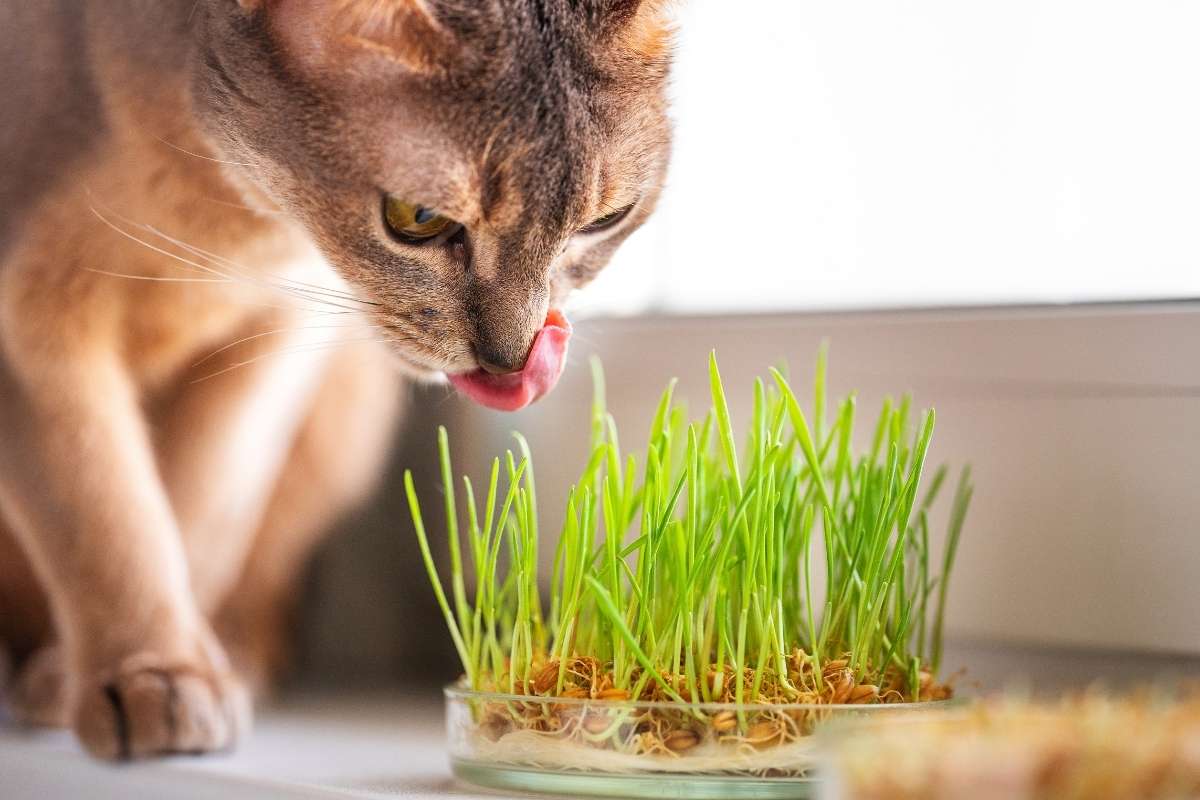
If you have ever caught your cat nibbling on grass, you are not alone. This curious behavior is surprisingly common among cats, even those that live indoors. While it may look odd or even concerning, there are several reasons why cats are drawn to grass. Some are completely harmless, while others may signal underlying health concerns that need attention.
In this guide, we will explore why cats eat grass, when it is normal, and the warning signs you should never ignore.
Why Do Cats Eat Grass?
Cats are natural carnivores, so eating plants might seem unusual. However, veterinarians have observed that grass eating is a natural instinct with several possible explanations.
1. Helps With Digestion
Grass can act as a natural digestive aid. It may help cats move food through their digestive tract more efficiently. Some types of grass contain fiber that supports gut health.
2. Induces Vomiting When Needed
Cats sometimes eat grass to make themselves vomit. This may help them clear out hairballs, indigestible material, or something that is upsetting their stomach.
3. Provides Nutrients
Grass contains small amounts of vitamins such as folic acid, which plays a role in oxygen transport in the blood. While cats get most nutrients from their diet, they may instinctively seek out additional sources.
4. Natural Instinct
In the wild, cats consume prey along with plant material found in the prey’s stomach. Eating grass may be a leftover instinct from their wild ancestors.
5. Relieves Boredom
Indoor cats, especially those without enough stimulation, may chew on grass simply out of curiosity or boredom.
Is It Safe for Cats to Eat Grass?
In most cases, eating small amounts of clean, untreated grass is safe. However, there are a few important precautions:
- Avoid grass treated with pesticides or chemicals
- Keep toxic plants out of reach
- Monitor how often your cat eats grass
If your cat occasionally chews on grass and behaves normally, it is usually nothing to worry about. But frequent or excessive grass eating can sometimes indicate a deeper issue.
6 Warning Signs to Watch Right Away
While grass eating is often harmless, certain symptoms alongside this behavior should raise concern. If you notice any of the following signs, it is best to consult a veterinarian.
1. Frequent Vomiting
Occasional vomiting after eating grass can be normal. However, repeated vomiting or vomiting without grass intake may signal digestive problems or illness.
2. Loss of Appetite
If your cat is eating grass but refusing regular food, this could indicate nausea, dental issues, or a more serious health condition.
3. Lethargy or Low Energy
A sudden drop in energy levels combined with unusual eating habits should not be ignored. This may point to infection or internal discomfort.
4. Diarrhea or Constipation
Changes in bowel movements along with grass eating could mean gastrointestinal upset or parasites.
5. Excessive Grass Consumption
If your cat is constantly seeking out grass, it may be trying to compensate for a nutritional deficiency or ongoing digestive issue.
6. Signs of Pain or Discomfort
Watch for behaviors such as hiding, vocalizing, or sensitivity when touched. These could indicate underlying health problems.
How to Safely Manage Your Cat’s Grass Eating
If your cat enjoys grass, you do not necessarily need to stop the behavior. Instead, focus on making it safe and controlled.
Provide Safe Alternatives
Consider growing pet safe grass indoors. Cat grass kits are widely available and typically include wheatgrass or oat grass.
Improve Diet Quality
Ensure your cat is eating a balanced, high quality diet. Nutritional deficiencies can sometimes drive unusual eating habits.
Increase Enrichment
Provide toys, climbing spaces, and interactive playtime to reduce boredom. Mental stimulation can help curb unnecessary chewing behaviors.
Regular Vet Checkups
Routine veterinary visits help catch potential health issues early. Preventive care plays a major role in maintaining your cat’s overall wellbeing.
When Should You See a Veterinarian?
If your cat shows any of the warning signs mentioned above, it is important to seek professional advice. Even subtle changes in behavior can be early indicators of health concerns.
For pet owners in Buffalo, you can schedule an appointment with Ellicott Street Animal Hospital to ensure your cat receives proper evaluation and care. Early diagnosis can make a significant difference in treatment outcomes.
Real Experiences From Pet Owners
Many pet parents have faced similar concerns and found reassurance through professional guidance. You can check a trustworthy review from our satisfied pet owner to learn how timely veterinary care has helped improve pet health and peace of mind.
Final Thoughts
Grass eating is a natural behavior for many cats and is usually nothing to worry about. In fact, it can sometimes benefit their digestion and overall wellbeing. However, the key is to observe your cat closely and recognize when something is not right.
By understanding the reasons behind this behavior and staying alert to warning signs, you can ensure your feline companion stays healthy and happy. When in doubt, always consult a trusted veterinarian for guidance.
FAQs
1. Is it normal for indoor cats to eat grass?
Ans: Yes, even indoor cats may seek out grass due to instinct, boredom, or digestive needs.
2. Should I stop my cat from eating grass?
Ans: Not necessarily. Just make sure the grass is safe and free from chemicals.
3. Why does my cat throw up after eating grass?
Ans: Grass can trigger vomiting to help remove hairballs or irritants from the stomach.
4. Can grass eating mean my cat is sick?
Ans: Sometimes. If it is paired with symptoms like vomiting, lethargy, or appetite loss, consult a vet.
5. What type of grass is safe for cats?
Ans: Cat grass such as wheatgrass or oat grass is generally safe and easy to grow at home.
6. How often is it for a cat to eat grass?
Ans: Occasional nibbling is fine, but frequent or obsessive behavior may need veterinary attention.