$50 Off First Visit for New Clients

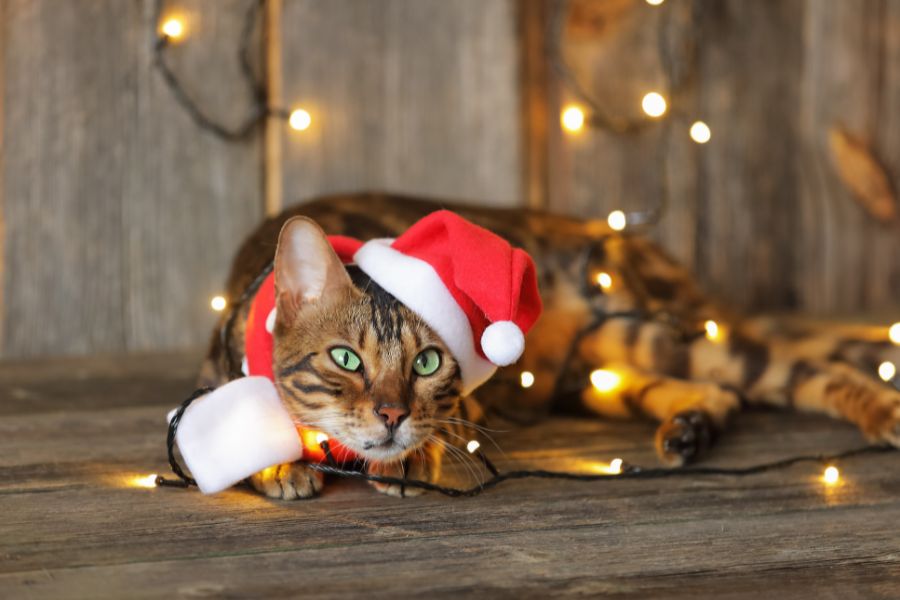
The holidays fill our homes with cozy lights and festive fragrances, but not all seasonal scents are safe for animals. From pet-safe Christmas candles to understanding toxic scents for pets, this guide explains what every pet owner should know to protect their furry companions. You will also learn when lingering symptoms mean it is time to search for a veterinarian near you.
Why Holiday Candles and Scents Can Be Risky for Pets
Candles, wax melts, and diffusers are designed for human enjoyment, but pets experience them very differently. Dogs and cats have more sensitive respiratory systems, and cats in particular lack certain liver enzymes needed to process common fragrance chemicals.
Holiday products are often stronger and more concentrated than everyday scents. Cinnamon, pine, clove, and peppermint are popular seasonal aromas, yet they are also among the most common toxic scents for pets when inhaled or ingested.
Risks generally fall into three categories:
- Inhalation irritation from smoke or strong fragrance oils
- Skin or paw exposure after pets walk through spilled oils or wax
- Ingestion toxicity from licking candles, reeds, or melted wax
Common Holiday Scents That Are Toxic for Pets
Some fragrances are especially problematic during the winter season. Even when labeled “natural,” these scents can still cause harm.
Essential oils to avoid around pets
- Cinnamon oil
- Clove oil
- Pine and fir oils
- Eucalyptus
- Tea tree oil
- Peppermint
When heated in candles or dispersed in diffusers, these oils can cause coughing, drooling, vomiting, lethargy, or difficulty breathing.
Artificial fragrances and additives
Synthetic fragrance blends may contain phthalates or phenols, which can be dangerous if inhaled repeatedly. Cats are particularly vulnerable because these compounds can accumulate in their bodies over time.
Are Christmas Candles Safe for Dogs and Cats?
Not all candles are dangerous, but many holiday versions pose risks. Understanding what makes a candle safer can help you make better choices.
Factors that affect candle safety
- Wax type: Paraffin wax releases soot and chemicals when burned. Soy or beeswax burns cleaner.
- Wick material: Lead-core wicks are harmful, while cotton or wooden wicks are safer.
- Fragrance source: Essential oils are more dangerous than mild, pet-friendly fragrance blends.
Pet safe Christmas candles are typically:
- Made from soy or beeswax
- Lightly scented or unscented
- Free from essential oils toxic to pets
Even safer candles should always be burned in a well-ventilated area and never within reach of curious paws or tails.
Reed Diffusers, Wax Melts, and Air Fresheners
Candles are not the only concern. Many pet owners overlook other scented products that can be just as risky.
Reed diffusers
These contain concentrated oils that can spill easily. Pets may knock them over or lick the reeds, leading to oral burns or poisoning.
Wax melts and plug-ins
Because wax melts are often scented with essential oils, they release strong fragrances quickly. Plug-in warmers also pose a burn risk if pets touch them.
Sprays and aerosols
Sprayed air fresheners linger in the air and can irritate sensitive lungs. Repeated exposure may cause chronic respiratory issues, especially in cats.
Signs Your Pet May Be Reacting to Toxic Scents
Knowing early warning signs can prevent a minor reaction from becoming a serious emergency.
Watch for:
- Sneezing, coughing, or wheezing
- Drooling or foaming at the mouth
- Vomiting or diarrhea
- Red or watery eyes
- Lethargy or hiding behavior
If symptoms appear shortly after lighting a candle or using a diffuser, stop using the product immediately and ventilate your home. Persistent or severe symptoms are a strong reason to look for a veterinarian near you without delay.
How to Choose Pet Safe Christmas Candles and Scents
You do not have to give up holiday ambiance to protect your pets. Safer alternatives can still create a festive atmosphere.
Tips for safer scent choices
- Choose unscented candles and rely on other decor for holiday vibes
- Look for brands that clearly label products as pet-safe Christmas candles
- Avoid candles made with essential oils known to be toxic
- Use candles only in rooms that pets cannot access
Pet-friendly alternatives
- Simmer pots with pet-safe ingredients like apples and vanilla, supervised carefully
- Battery-operated candles for a flame-free glow
- Natural decorations like pinecones placed out of reach, without added oils
Ventilation and Placement Matter More Than You Think
Even safer products can cause issues if used improperly. Strong scents in small, enclosed spaces increase exposure.
Best practices include:
- Opening windows periodically to circulate fresh air
- Limiting burn time to short intervals
- Keeping all scented items well above pet height
- Never leaving burning candles unattended
These simple steps significantly reduce the risk of respiratory irritation and accidental ingestion.
When to Call Your Veterinarian
If your pet shows sudden symptoms after exposure to holiday scents, do not wait it out. Some toxins affect pets gradually, and early treatment makes a big difference.
Call a veterinarian immediately if you notice:
- Trouble breathing
- Seizures or tremors
- Collapse or extreme weakness
- Repeated vomiting
Searching for your nearest veterinarian in Buffalo as soon as symptoms appear can help prevent long-term complications.
Conclusion
Holiday candles and scents can add warmth to your home, but they also come with hidden risks for pets. By understanding toxic scents for pets, choosing pet-safe Christmas candles, and practicing mindful placement and ventilation, you can celebrate the season safely. If you are in Buffalo, NY, and need guidance on keeping your pet healthy during the holidays, Ellicott Street Animal Hospital is committed to providing trusted, compassionate veterinary care when it matters most.
FAQs
Q1: Are scented candles safe to use around pets during the holidays?
Ans: Scented candles can be risky, especially if they contain essential oils like cinnamon or pine. Unscented or clearly labeled pet-safe Christmas candles are a safer option.
Q2: What holiday scents are most dangerous for pets?
Ans: Cinnamon, clove, pine, peppermint, and eucalyptus are among the most toxic scents for pets and should be avoided.
Q3: Can pets get sick from breathing in essential oils?
Ans: Yes, inhaling essential oils can cause respiratory irritation, lethargy, and other symptoms, especially in cats.
Q4: What should I do if my pet reacts to a candle or diffuser?
Ans: Stop using the product immediately, ventilate your home, and monitor symptoms. If symptoms persist, contact a veterinarian near me right away.
Q5: Are soy candles better for pets than paraffin candles?
Ans: Soy candles burn cleaner and produce less soot than paraffin, making them a safer choice, especially when lightly scented or unscented.