$50 Off First Visit for New Clients

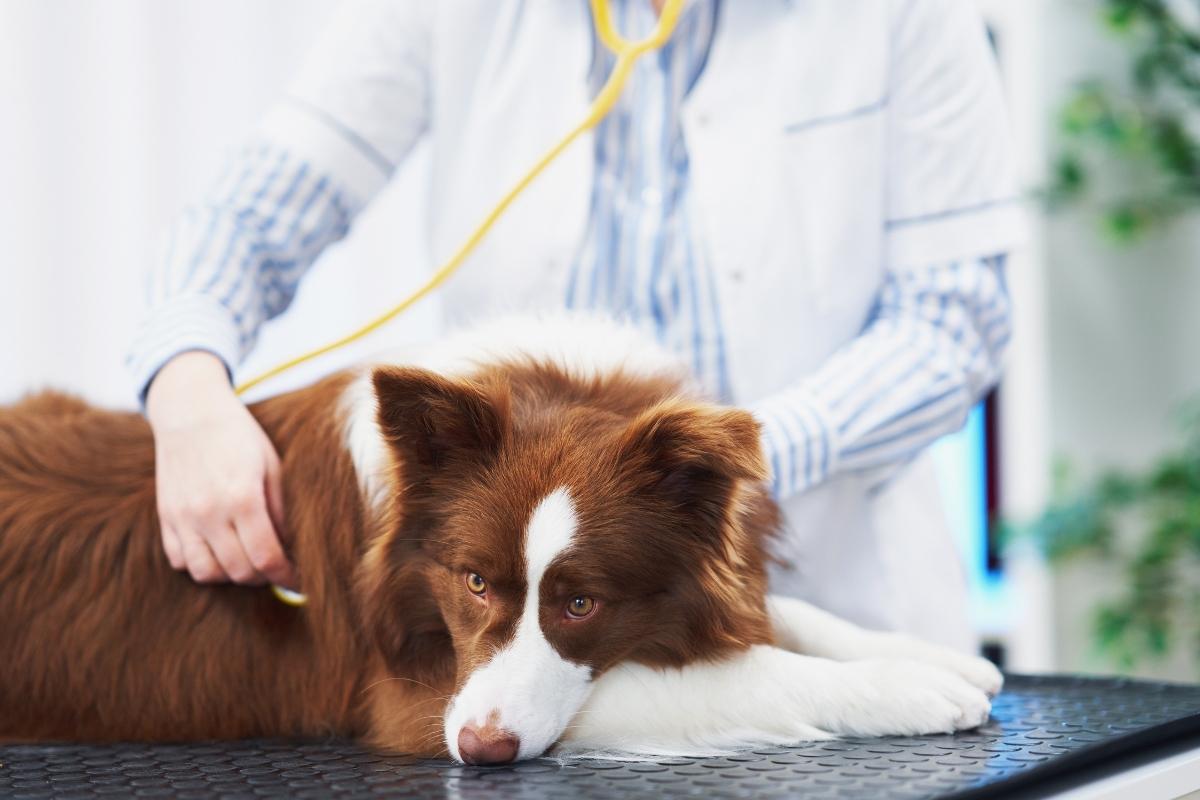
Drooling is normal for some pets, especially dogs anticipating food or excitement. However, excessive drooling that appears suddenly or occurs during stressful situations can signal an underlying health or behavioral issue. Stress-related drooling is common in pets experiencing anxiety, fear, motion sickness, or environmental changes, but it can also resemble symptoms linked to medical conditions that require veterinary attention.
Understanding why your pet is drooling excessively is important for protecting their health and comfort. Veterinarians use a combination of physical exams, diagnostic testing, and behavioral evaluations to identify the cause of stress-related drooling and create a treatment plan tailored to your pet’s needs.
What Causes Stress-Related Drooling in Pets?
Stress-related drooling occurs when anxiety or emotional distress triggers increased saliva production. Dogs and cats can experience stress for many reasons, including:
- Veterinary visits
- Loud noises or thunderstorms
- Travel or car rides
- Separation anxiety
- New environments
- Interactions with unfamiliar people or animals
- Changes in routine
When pets feel anxious, their bodies react physically. Increased salivation may occur alongside panting, pacing, trembling, hiding, whining, vomiting, or restlessness.
While stress is a common reason for drooling, veterinarians must rule out medical conditions because excessive saliva can also indicate pain, illness, or toxicity.
Why Proper Diagnosis Matters
Drooling may seem harmless at first, but it can sometimes signal serious health concerns. Dental disease, oral injuries, poisoning, nausea, neurological disorders, and gastrointestinal issues can all cause excessive salivation in pets.
A professional diagnosis helps determine whether your pet’s drooling is behavioral, medical, or a combination of both. Early diagnosis allows veterinarians to begin treatment quickly and prevent complications.
Pets experiencing ongoing anxiety may also develop long-term behavioral and health problems if stress is not properly managed.
Signs That Your Pet Needs Veterinary Attention
Occasional drooling during stressful moments may not always require emergency care. However, pet owners should contact a veterinarian if drooling is accompanied by symptoms such as:
- Difficulty eating or swallowing
- Pawing at the mouth
- Bad breath
- Vomiting or diarrhea
- Lethargy
- Loss of appetite
- Swollen gums
- Facial swelling
- Sudden behavior changes
- Tremors or weakness
These signs may indicate underlying medical conditions requiring immediate evaluation.
If your pet shows persistent or unexplained drooling, seeking professional pet diagnostic care buffalo services can help identify the cause early.
How Veterinarians Evaluate Stress-Related Drooling
Diagnosing stress-related drooling involves more than simply observing saliva production. Veterinarians perform a complete evaluation to understand your pet’s physical and emotional health.
Reviewing Medical History
The diagnostic process usually begins with a detailed discussion about your pet’s symptoms and behavior. Your veterinarian may ask questions such as:
- When did the drooling begin?
- Does drooling happen during specific situations?
- Has your pet experienced recent stress or routine changes?
- Are there any additional symptoms?
- Has your pet eaten anything unusual?
- Is the drooling constant or occasional?
Providing detailed observations helps veterinarians narrow down possible causes.
Physical Examination
A thorough physical exam allows veterinarians to check for signs of illness, pain, or injury. During the examination, they may evaluate:
- Teeth and gums
- Mouth and tongue
- Throat and swallowing function
- Abdomen
- Neurological responses
- Hydration levels
Oral health problems are one of the most common causes of excessive drooling, especially in older pets.
Behavioral Assessment
If stress or anxiety appears to be a contributing factor, veterinarians may assess your pet’s behavior during the visit. Signs of anxiety may include:
- Trembling
- Panting
- Hiding
- Avoiding eye contact
- Excessive vocalization
- Aggressive behavior
- Restlessness
Understanding behavioral triggers helps veterinarians determine whether emotional stress is responsible for the drooling.
Diagnostic Tests Veterinarians May Recommend
Because excessive drooling can stem from various medical issues, diagnostic testing is often necessary to rule out serious conditions.
Blood Testing
Bloodwork helps veterinarians evaluate your pet’s overall health and detect underlying illnesses such as:
- Infections
- Organ dysfunction
- Inflammation
- Metabolic disorders
Routine blood testing is an important part of pet diagnostic care buffalo veterinarians provide for identifying hidden health concerns.
Oral and Dental Evaluation
Dental disease is a leading cause of drooling in both dogs and cats. Veterinarians may perform a detailed oral examination to check for:
- Broken teeth
- Gum disease
- Oral infections
- Tumors
- Foreign objects
In some cases, sedation may be required for a complete dental evaluation.
Imaging Services
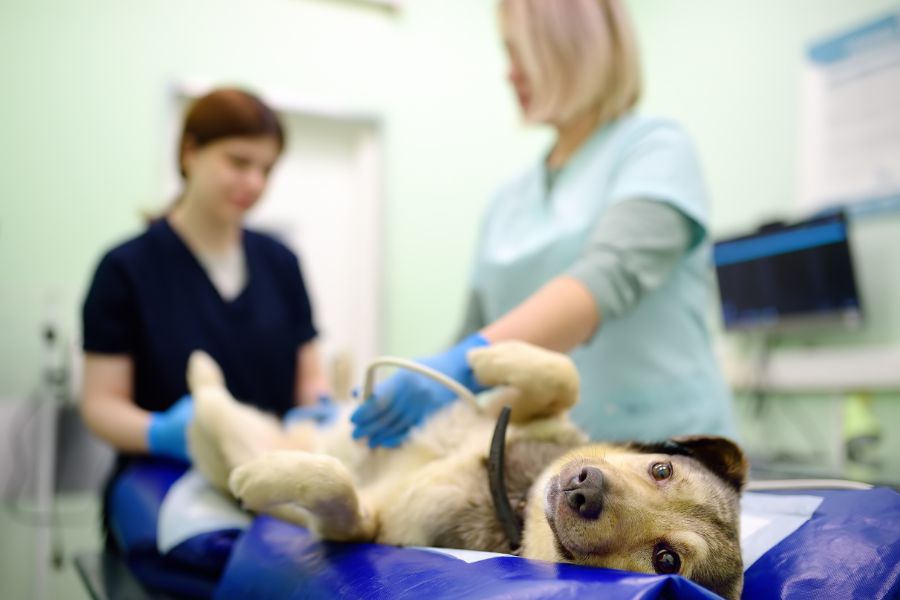
Diagnostic imaging such as X-rays or ultrasounds may be recommended if veterinarians suspect internal problems contributing to drooling.
Imaging can help detect:
- Gastrointestinal blockages
- Tumors
- Dental root infections
- Throat abnormalities
Advanced diagnostic tools help veterinarians identify conditions that may not be visible during a physical exam.
Toxicity Screening
Certain toxins or poisonous substances can cause excessive salivation in pets. Veterinarians may ask about possible exposure to:
- Toxic plants
- Household chemicals
- Human medications
- Foods toxic to pets
Prompt diagnosis is critical if poisoning is suspected.
Common Medical Conditions Linked to Excessive Drooling
Although stress is often a factor, veterinarians commonly investigate other health conditions that may trigger drooling.
Dental Disease
Plaque buildup, gum infections, and tooth pain can lead to persistent drooling and discomfort.
Motion Sickness
Many pets drool excessively during car rides due to nausea and anxiety associated with travel.
Gastrointestinal Problems
Digestive issues such as nausea, acid reflux, or stomach irritation may increase saliva production.
Oral Injuries
Cuts, burns, or foreign objects lodged in the mouth can cause pain and excessive salivation.
Neurological Conditions
Certain neurological disorders may affect swallowing or saliva control.
Heatstroke
Overheating can cause panting and excessive drooling, especially during warm weather.
A professional evaluation at a buffalo animal hospital helps ensure these conditions are identified and treated appropriately.
Treatment Options for Stress-Related Drooling
Treatment depends on the underlying cause identified during the diagnostic process.
Anxiety Management
If stress is the primary issue, veterinarians may recommend:
- Behavioral training
- Environmental modifications
- Calming supplements
- Anxiety medications
- Desensitization techniques
Reducing stress triggers can significantly improve your pet’s comfort and reduce drooling episodes.
Dental Treatment
Pets diagnosed with dental disease may require:
- Professional cleanings
- Tooth extractions
- Antibiotics
- Pain management
Regular dental care helps prevent recurring oral problems.
Medications
Depending on the diagnosis, veterinarians may prescribe medications to treat nausea, infections, inflammation, or anxiety.
Lifestyle Adjustments
Simple changes at home can also help reduce stress-related symptoms, including:
- Maintaining a consistent routine
- Providing safe resting spaces
- Using calming pheromone products
- Gradual exposure to stressful situations
Preventing Stress-Related Drooling in Pets
Although not all causes of drooling can be prevented, pet owners can take steps to minimize stress and support overall health.
Helpful preventive measures include:
- Scheduling regular wellness exams
- Keeping up with dental care
- Monitoring behavioral changes
- Providing mental stimulation
- Avoiding known stress triggers
- Using positive reinforcement training
Routine veterinary care plays an essential role in detecting health concerns before they become more serious.
Why Choose Our Animal Hospital
At Ellicott Street Animal Hospital, we understand that changes in your pet’s behavior can be concerning. Our experienced veterinary team is committed to providing compassionate care and accurate diagnostics to help identify the cause of excessive drooling and other unusual symptoms.
Why choose our animal hospital:
- Comprehensive diagnostic services
- Experienced veterinary professionals
- Personalized treatment plans
- Advanced imaging and laboratory testing
- Compassionate care for dogs and cats
- Focus on preventive wellness care
Whether your pet is experiencing anxiety-related drooling or signs of an underlying medical condition, our team is here to help support their long-term health and comfort.
Schedule an Appointment for Your Pet
If your dog or cat is experiencing excessive drooling, behavioral changes, or signs of anxiety, early evaluation is important. Identifying the underlying cause can help prevent discomfort and improve your pet’s quality of life.
Schedule an appointment with Ellicott Street Animal Hospital today to learn more about our diagnostic and preventive care services for pets in Buffalo.
Frequently Asked Questions
1. Is drooling always a sign of stress in pets?
No. While stress can cause excessive drooling, it may also indicate dental disease, nausea, oral injuries, poisoning, or other medical conditions.
2. When should I worry about my pet drooling excessively?
You should contact a veterinarian if drooling is sudden, persistent, or accompanied by symptoms like vomiting, lethargy, swelling, or difficulty eating.
3. Can anxiety cause dogs and cats to drool?
Yes. Anxiety and fear can increase saliva production in both dogs and cats, especially during stressful situations like travel or loud noises.
4. How do veterinarians diagnose the cause of drooling?
Veterinarians use physical exams, medical history reviews, blood testing, dental evaluations, and imaging to determine the underlying cause.
5. Can dental disease cause excessive drooling?
Yes. Dental infections, gum disease, broken teeth, and oral pain are common causes of drooling in pets.
6. How can I help reduce stress-related drooling at home?
Maintaining a consistent routine, providing a calm environment, and using positive reinforcement training may help reduce anxiety-related symptoms in pets.