$50 Off First Visit for New Clients

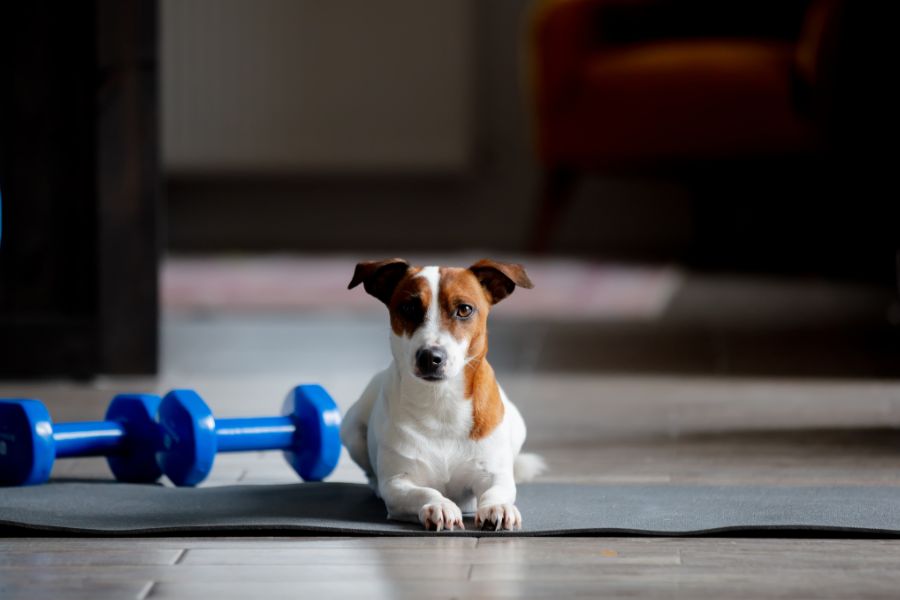
As pets age, regular activity remains key to their overall health, but their exercise needs change. Knowing which safe exercises are best for senior pets can help prevent injury and improve quality of life. In this guide, we’ll share easy, low-impact exercises for older dogs and cats, plus tips from veterinarians on how to keep your furry friend active and pain-free.
Why Exercise Is Important for Senior Pets
Exercise keeps your senior pet’s body and mind in shape. As pets get older, they’re more prone to obesity, arthritis, and muscle loss. Gentle movement can:
- Maintain joint flexibility and strength
- Improve cardiovascular health
- Support healthy digestion
- Boost mental well-being and reduce anxiety
Even 10–15 minutes of appropriate activity each day can make a big difference for aging pets.
Recognizing Your Senior Pet’s Limits
Before starting any exercise program, observe your pet’s comfort level. Look for:
- Slower movements or stiffness after rest
- Labored breathing during play
- Reluctance to climb stairs or jump
- Signs of pain or limping
If you notice these symptoms, consult your veterinarian before adjusting activity.
Safe Exercises for Senior Dogs
Older dogs can stay active with modified routines that suit their mobility and health conditions. Here are some safe exercises for senior dogs to try:
1. Gentle Walks
Walking remains one of the best exercises for aging pets. Opt for:
- Short, frequent walks instead of long ones
- Flat terrain to reduce joint strain
- Moderate pace for endurance and comfort
Keep sessions between 10–20 minutes and avoid extreme weather.
2. Swimming and Hydrotherapy
Water exercise provides resistance without pressure on joints. Swimming improves circulation and flexibility — a perfect low-impact option for arthritic dogs.
3. Indoor Play Sessions
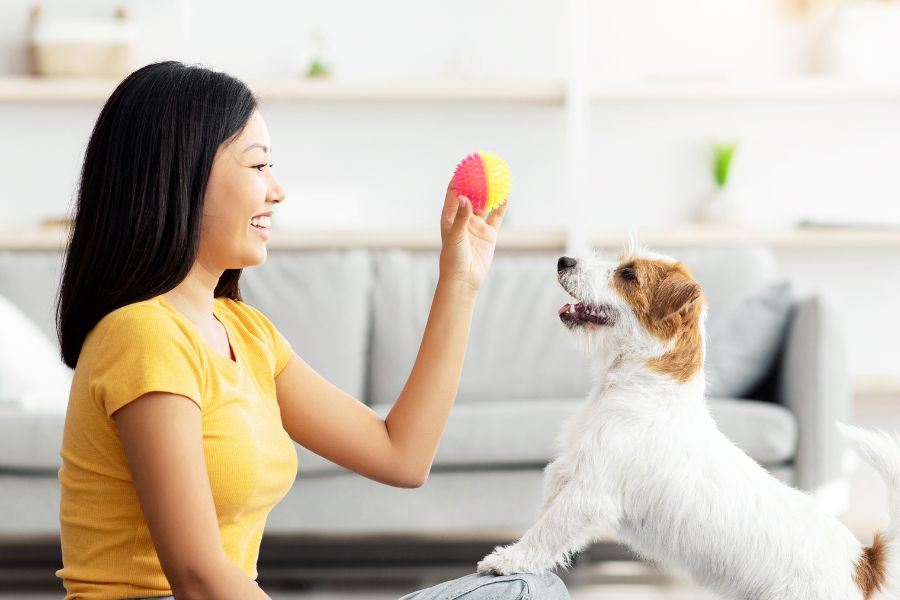
When outdoor walks aren’t possible, use soft toys indoors. Light fetch or tug games keep your dog mentally sharp and physically active.
4. Balance and Stretching Exercises
Encourage your senior dog to stand on different surfaces (like carpet or grass) or gently stretch before walks. These improve balance and joint range of motion.
Safe Exercises for Older Cats
Even though cats seem naturally less active, older felines benefit from daily movement too. Here are a few older cat exercise ideas:
1. Interactive Toys
Use feather wands, laser pointers, or rolling balls to inspire playful movement. Just 5–10 minutes twice daily helps maintain agility.
2. Climbing and Scratching Posts
Provide cat trees or shelves to encourage gentle climbing. Make sure the platforms are low and stable to prevent falls.
3. Food Puzzles and Treat Hunts
Hide treats around the room or use puzzle feeders. These engage your cat’s mind while promoting physical activity.
4. Gentle Playtime Routine
Rotate toys to keep your cat interested. Soft fabric mice, tunnels, or catnip toys can encourage natural hunting behavior safely.
Best Exercises for Aging Pets With Health Issues
If your senior pet has arthritis, heart disease, or mobility challenges, stick to low-intensity movements. Try these exercises for aging pets:
- Short Leash Walks: Slow and steady strolls with plenty of breaks.
- Swimming (for dogs): Reduces pain and strengthens muscles.
- Massage Therapy: Helps circulation and joint flexibility.
- Assisted Stretching: Gently extend limbs and rotate joints to keep muscles limber.
Always consult your veterinarian before introducing new activities, especially for pets on medication or with chronic conditions.
Exercise Tips for Elderly Pets
Keeping your pet safe and motivated takes a little planning. Follow these exercise tips for elderly pets to ensure happy, healthy sessions:
- Warm Up and Cool Down – Begin with light stretching and end with gentle rest.
- Monitor Behavior – Stop immediately if your pet shows pain, panting, or limping.
- Avoid Hard Surfaces – Exercise on soft grass or carpet to reduce joint strain.
- Stay Consistent – Short, daily sessions are better than occasional long workouts.
- Hydration and Comfort – Always provide water and a cozy recovery area afterward.
Mental Stimulation Matters Too
Physical activity is vital, but mental exercise keeps aging pets happy as well. Try:
- Training refreshers: Simple commands or new tricks improve focus.
- Interactive feeders: Slow eating and engage curiosity.
- Social interaction: Gentle playdates or time with other calm pets can boost morale.
These simple strategies keep your senior pet’s mind sharp and prevent boredom-related behaviors.
When to Consult a Veterinarian
Every senior pet is unique. Contact your veterinarian if your dog or cat:
- Shows sudden fatigue or pain during exercise
- Has arthritis or hip issues
- Experiences weight gain or loss
- Develops breathing difficulties
A trusted veterinarian can help design a custom exercise and nutrition plan tailored to your pet’s needs.
With gentle, regular activity and mindful care, senior pets can enjoy a longer, more vibrant life. Exercise doesn’t have to be strenuous — it just needs to be safe, consistent, and tailored to your pet’s ability.
If you are conveniently located in Buffalo, NY, and searching for the best veterinary service near me, Ellicott Street Animal Hospital is the right choice for compassionate, advanced, and reliable pet care.
FAQs:
Q1: How often should I exercise my senior dog?
Ans: Aim for short walks two to three times a day, adjusting based on your dog’s stamina and health condition.
Q2: What are the best exercises for an older cat?
Ans: Interactive toys, gentle climbing, and treat hunts are great ways to keep older cats active without overexertion.
Q3: Can exercise help manage arthritis in senior pets?
Ans: Yes. Low-impact activities like swimming and short walks can reduce stiffness and improve joint health.
Q4: How can I tell if my senior pet is overexercising?
Ans: Watch for excessive panting, limping, or reluctance to move. These signs mean it’s time to rest.
Q5: Should I consult a vet before starting an exercise plan for my senior pet?
Ans: Absolutely. Your vet can assess your pet’s health and recommend safe, suitable exercises for their condition.