$50 Off First Visit for New Clients

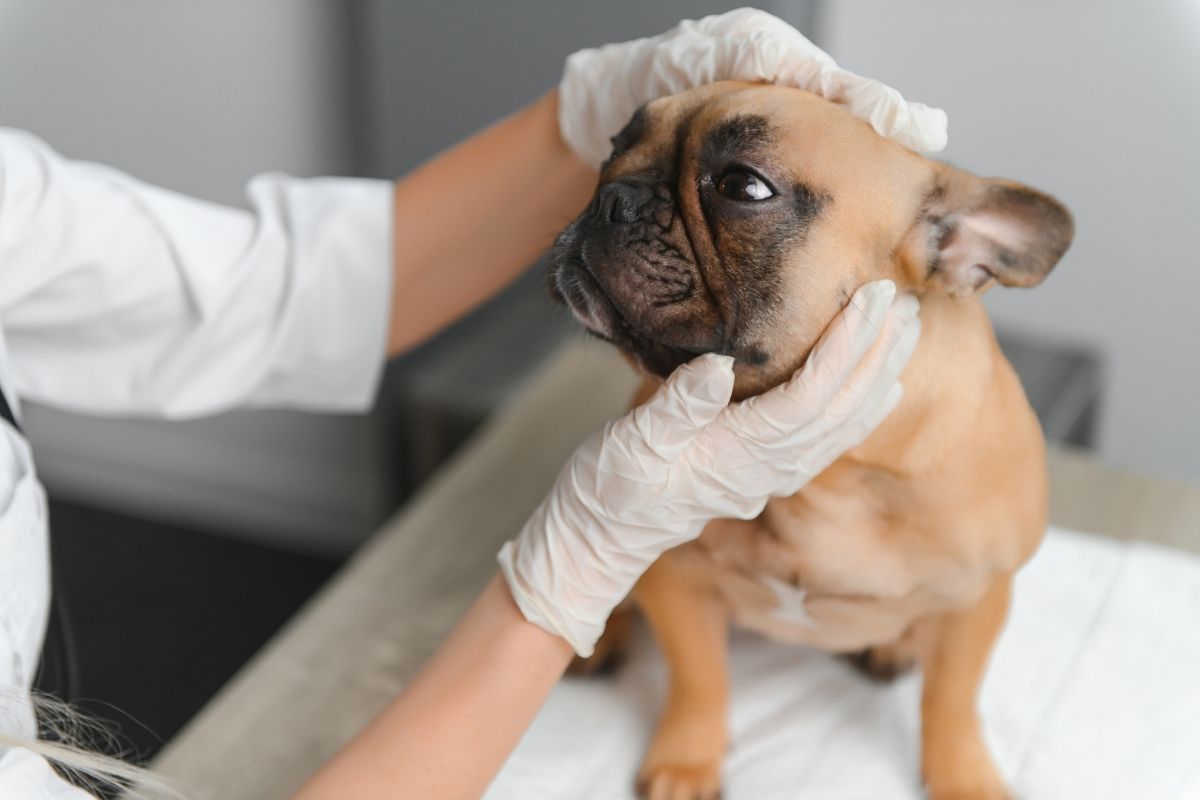
Many pet owners schedule wellness exams to keep vaccinations up to date or meet annual healthcare requirements, but these visits are about much more than routine paperwork. A wellness exam allows the veterinarian to evaluate your pet’s overall health, identify subtle changes, and detect potential medical concerns before they become serious problems.
Pets often hide signs of illness, so routine wellness exams are vital for preventive care. Vets assess weight, mobility, heart health, and dental health. Knowing what happens in these exams can help owners see why regular checkups are crucial for their pet’s long-term health.
Why Routine Wellness Exams Matter
A routine wellness exam is designed to evaluate your pet’s current health status and identify concerns that may not be obvious at home.
Regular exams help:
- Detect health issues early
- Monitor changes over time
- Support preventive care
- Establish health baselines
- Improve long-term outcomes
- Strengthen the veterinarian-pet relationship
Many conditions can be managed more effectively when detected before symptoms become severe.
Reviewing Your Pet’s Health History
Every wellness visit typically begins with a conversation about your pet’s overall health and lifestyle.
The veterinarian may ask questions about:
- Appetite changes
- Water consumption
- Energy levels
- Bathroom habits
- Exercise routines
- Behavioral changes
- Current medications
Even small changes in daily habits can provide important clues about your pet’s health.
This discussion helps the veterinarian understand whether additional testing or monitoring may be needed.
Evaluating Weight and Body Condition
Weight is one of the most important indicators of overall health.
During a wellness exam, the veterinarian will typically:
- Record current weight
- Compare previous measurements
- Evaluate body condition
- Assess muscle mass
Unexpected weight gain or loss can sometimes indicate underlying health concerns such as:
- Diabetes
- Thyroid disorders
- Digestive issues
- Kidney disease
- Heart disease
Monitoring weight trends over time often helps identify problems before they become more serious.
Checking the Eyes, Ears, and Nose
When you visit a clinic for your pet’s wellness exam, the veterinarian carefully examines your pet’s sensory organs for signs of disease or abnormalities.
Eye Evaluation
The eyes are checked for:
- Redness
- Cloudiness
- Discharge
- Vision concerns
- Signs of infection
Ear Examination
The ears are inspected for:
- Inflammation
- Excessive wax
- Infection
- Parasites
- Unusual odors
Nose Assessment
Changes in nasal appearance or discharge may occasionally indicate respiratory or other health issues.
These evaluations help identify concerns that may otherwise go unnoticed.
Listening to the Heart and Lungs
One of the most important parts of a wellness exam is evaluating cardiovascular and respiratory health.
Using a stethoscope, the veterinarian listens for:
Heart Health Indicators
- Heart murmurs
- Irregular rhythms
- Abnormal heart sounds
Lung Function
- Breathing abnormalities
- Respiratory congestion
- Signs of airway disease
Many heart and lung conditions can develop gradually without obvious symptoms.
Early detection often allows for better monitoring and treatment.
Examining the Mouth and Teeth
Dental health plays a major role in overall wellness.
During the exam, the veterinarian checks for:
- Tartar buildup
- Gum inflammation
- Loose teeth
- Broken teeth
- Oral infections
- Abnormal growths
Dental disease is one of the most common health issues affecting pets.
Unfortunately, many pets continue eating normally even when significant dental problems are present.
Regular oral evaluations help prevent discomfort and support long-term health.
Assessing Skin and Coat Health
A healthy coat often reflects good overall health.
The veterinarian examines:
- Fur quality
- Skin condition
- Lumps and bumps
- Parasites
- Allergic reactions
- Areas of irritation
Skin changes may sometimes indicate:
- Allergies
- Hormonal disorders
- Infections
- Nutritional concerns
Identifying skin problems early can prevent more serious complications.
Evaluating Joint and Mobility Health
Pets naturally experience physical changes as they age.
The veterinarian may observe:
- Walking patterns
- Joint flexibility
- Range of motion
- Muscle condition
- Signs of discomfort
This evaluation helps identify:
- Arthritis
- Joint disease
- Mobility challenges
- Orthopedic concerns
Early intervention often helps pets remain active and comfortable for longer.
Checking Lymph Nodes and Internal Health Clues
During a physical exam, veterinarians often feel for abnormalities beneath the skin.
This may include assessing:
- Lymph nodes
- Abdominal organs
- Body symmetry
- Unusual swelling
Enlarged lymph nodes or abdominal abnormalities can sometimes indicate underlying health concerns that require further investigation.
Discussing Preventive Care Recommendations
Preventive care is one of the most valuable aspects of a wellness exam.
Depending on your pet’s age, lifestyle, and medical history, the veterinarian may discuss:
- Vaccinations
- Parasite prevention
- Nutrition
- Weight management
- Dental care
- Senior pet screenings
These recommendations are tailored to support your pet’s individual needs.
Why Diagnostic Testing May Be Recommended
Not every health issue can be identified during a physical examination alone.
Routine testing may help detect:
- Kidney disease
- Liver disease
- Diabetes
- Hormonal disorders
- Infections
Common wellness screening tests include:
- Bloodwork
- Urinalysis
- Fecal testing
These tools often reveal hidden conditions before symptoms become noticeable.
Wellness Exams Help Build a Healthier Future
Routine wellness exams do more than quick checkups. They help vets assess overall health, detect subtle changes, monitor ongoing conditions, and catch potential issues early. Exams include checking the heart, lungs, mobility, dental health, and body condition, giving a complete view of your pet’s well-being. Regular visits foster proactive healthcare plans, supporting your pet through every life stage. Early detection and preventive care are key to helping pets live longer, healthier lives.
If you’re looking for a trusted veterinary hospital in the Buffalo area, book an appointment with Ellicott Street Animal Hospital to establish a consistent wellness care routine for your pet.
Our team is dedicated to providing comprehensive wellness exams, preventive care, and personalized health recommendations tailored to your pet’s unique needs. Whether you have a new puppy, a senior cat, or anything in between, we’re here to help your companion enjoy a lifetime of good health.
FAQs
Q1: What happens during a routine wellness exam for pets?
Ans: During a wellness exam, a veterinarian evaluates your pet’s weight, heart, lungs, eyes, ears, teeth, skin, joints, and overall body condition. The visit also includes discussions about behavior, nutrition, preventive care, and any health concerns.
Q2: How often should my pet have a wellness exam?
Ans: Most healthy adult pets should have a wellness exam once a year. Senior pets, puppies, kittens, or pets with ongoing medical conditions may benefit from more frequent visits to monitor their health effectively.
Q3: Can a wellness exam detect health problems before symptoms appear?
Ans: Yes. Wellness exams often identify subtle changes that pet owners may not notice. When combined with routine bloodwork and preventive screenings, veterinarians can often detect illnesses before visible symptoms develop.
Q4: Does my pet need bloodwork during a routine wellness visit?
Ans: Many veterinarians recommend periodic bloodwork as part of preventive care. Blood tests can reveal early signs of kidney disease, diabetes, liver problems, infections, and other conditions that may not cause symptoms initially.
Q5: Why does my veterinarian check my pet’s teeth during every exam?
Ans: Dental disease is extremely common in pets and can affect overall health. Examining the mouth helps identify tartar buildup, gum disease, infections, and other oral health issues before they become more serious.
Q6: Are wellness exams important even if my pet seems healthy?
Ans: Absolutely. Many illnesses progress silently in the early stages. Routine wellness exams allow veterinarians to establish health baselines, monitor changes over time, and provide preventive care that helps maintain long-term wellbeing.