$50 Off First Visit for New Clients

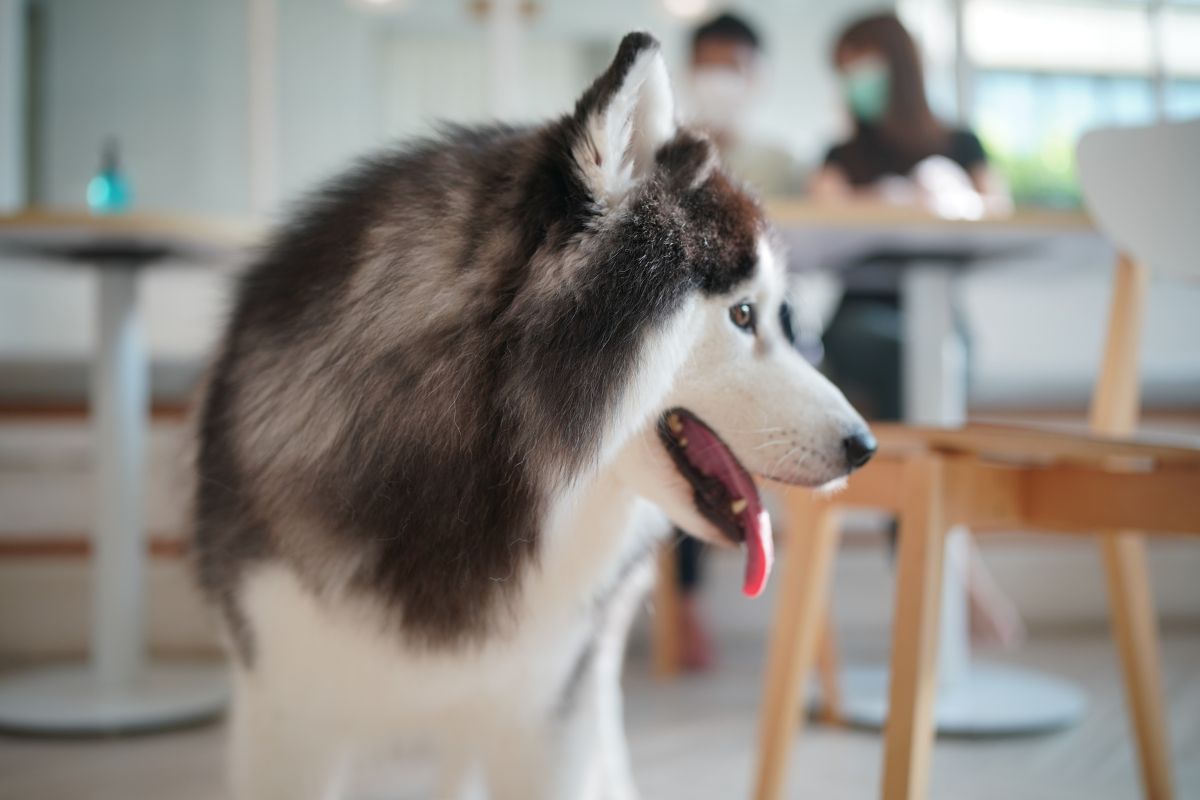
Have you ever wondered why your dog gently nibbles your hand, arm, or clothing? This behavior can be adorable, confusing, or even slightly concerning, especially when it happens repeatedly. In many cases, gentle nibbling is a normal form of canine communication. Dogs use their mouths to explore their surroundings, interact with people, show affection, and seek attention.
However, not every type of nibbling means the same thing. Your dog’s age, body language, environment, and the situation surrounding the behavior can provide important clues. Understanding these details can help you respond appropriately and recognize when a seemingly harmless habit may signal stress, discomfort, or a developing behavior problem.
For pet owners searching for vets in Buffalo NY, understanding normal canine behavior is an important part of responsible pet care. Let’s look at why dogs nibble their owners and what you should know about this common behavior.
Why Do Dogs Nibble Their Owners?
Dogs may nibble for several different reasons. The behavior can range from gentle, playful mouthing to repetitive chewing that deserves closer attention. Looking at the circumstances can help you determine what your dog is trying to communicate.
Nibbling Can Be a Sign of Affection
Some dogs gently nibble people they trust as part of social interaction. A dog may use small, controlled movements of the front teeth while relaxing beside you or receiving attention.
This behavior can resemble grooming. Dogs naturally interact with members of their social group through licking, touching, and gentle mouth movements. When your dog nibbles you without showing signs of fear or aggression, it may simply be an affectionate behavior.
You may notice this when your dog is cuddling with you, resting next to you, or enjoying gentle petting. A relaxed posture, soft eyes, loose body, and relaxed tail can indicate that the interaction is friendly.
Still, affection does not mean every form of mouthing should be encouraged. Teaching your dog appropriate boundaries can prevent gentle habits from becoming more persistent or uncomfortable.
Your Dog May Be Trying to Get Your Attention
Dogs quickly learn which behaviors make their owners respond. If nibbling consistently results in petting, talking, laughing, or playing, your dog may repeat it because it works.
For example, your dog might gently nibble your hand when you are working at your desk. If you immediately stop and interact with your pet, your dog may learn that nibbling is an effective way to get your attention.
This does not necessarily indicate a behavioral problem. Instead, it demonstrates how dogs learn through consequences.
If you want to discourage the behavior, avoid rewarding nibbling with immediate attention. Instead, redirect your dog toward an appropriate behavior, such as sitting quietly or bringing a toy.
Could Nibbling Be Related to Play?
Play is another common reason dogs use their mouths. Puppies especially explore the world through their mouths. They may mouth hands, sleeves, shoelaces, toys, and other objects while learning how to interact with their environment.
Adult dogs may also use gentle mouthing during play.
Puppy Mouthing Is Usually Part of Development
Young puppies naturally investigate objects by biting and chewing. They are also learning how much pressure is appropriate when interacting with other dogs and people.
A puppy that nibbles your fingers during play may not understand that human skin is more sensitive than a toy. Consistent training can help teach your puppy that hands are not appropriate chew toys.
Instead of pulling your hand away rapidly or turning the interaction into a chase game, calmly redirect your puppy to a suitable chew toy. When the puppy engages with the toy, reinforce that appropriate choice with praise or continued play.
Excitement Can Increase Mouthing
Some dogs become more mouthy when they are highly excited. Greetings, play sessions, visitors, and energetic activities can trigger gentle nipping or nibbling.
Watch your dog’s overall body language. If your pet is loose, playful, and responsive, the behavior may be associated with excitement. If the dog becomes tense, avoids eye contact, growls, freezes, or shows other signs of distress, the situation deserves a different response.
Can Stress or Anxiety Cause a Dog to Nibble?
Yes. Dogs sometimes use repetitive behaviors when they feel stressed, uncertain, frustrated, or overstimulated. Nibbling may become more noticeable during changes in the household, unfamiliar situations, loud environments, or interactions that make the dog uncomfortable.
Pay attention to when the nibbling occurs.
Does it happen only when guests arrive? Does your dog nibble when being handled? Does the behavior appear after a stressful event? Does your dog seem restless or unable to settle?
These patterns can provide valuable information.
Look Beyond the Nibbling
Nibbling by itself does not establish that a dog is anxious. Other behavioral signals may provide additional context. These can include:
- Excessive licking
- Pacing or restlessness
- Hiding
- Whining
- Panting when the environment is not hot
- Avoiding interaction
- Destructive chewing
- Changes in appetite
- Repetitive behaviors
If several changes appear together or the behavior becomes persistent, speaking with a veterinarian can help determine whether an underlying medical or behavioral concern needs attention.
When Should You Be Concerned About Nibbling?
Gentle nibbling is often harmless, but certain changes deserve attention. A sudden increase in mouthing or a change in your dog’s behavior should not automatically be dismissed as a training issue.
Medical problems can sometimes influence behavior. Pain, skin irritation, dental discomfort, gastrointestinal problems, and other health concerns may make a dog more restless, irritable, or focused on licking and chewing.
Watch for Sudden Behavioral Changes
A dog that has never nibbled and suddenly begins doing so repeatedly may be communicating that something has changed.
Similarly, if your normally gentle dog begins mouthing more forcefully, becomes difficult to interrupt, or displays aggression, consider having your pet evaluated.
A veterinarian can assess your dog’s overall health and help determine whether the behavior appears related to a physical concern, environmental trigger, or learned habit.
Pet owners looking for an animal hospital near you can benefit from having a trusted veterinary team available when unexplained behavioral changes occur.
How Can You Stop Your Dog From Nibbling?
Whether you should stop the behavior depends on its intensity and circumstances. If gentle nibbling is becoming inconvenient, teaching an alternative behavior can be more effective than simply scolding your dog.
Redirect the Behavior
Keep an appropriate toy nearby. When your dog begins nibbling your hand, calmly redirect the mouth toward the toy.
Once your dog engages with the toy, provide positive reinforcement. With consistency, your dog can learn that toys are appropriate for chewing and human hands are not.
Avoid Encouraging Mouthing
Avoid rough hand games if you want to reduce mouthy behavior. Games that involve wrestling with hands or encouraging your dog to chase moving fingers can make it harder for your pet to understand boundaries.
Everyone in the household should respond consistently. If one person discourages nibbling while another encourages it during play, your dog may receive mixed signals.
Reward Calm Behavior
Dogs are often more successful when they are taught what to do rather than simply told what not to do.
Reward your dog for sitting calmly, resting beside you, bringing a toy, or responding to a cue instead of nibbling. Positive reinforcement can help establish more desirable habits while maintaining a trusting relationship.
What Does Your Dog’s Body Language Tell You?
The meaning behind nibbling becomes easier to understand when you consider the entire interaction.
A relaxed dog may have a loose body, natural ear position, soft facial expression, and relaxed tail. Gentle nibbling during cuddling or play may fit this friendly context.
On the other hand, stiff posture, tucked tail, pinned-back ears, intense staring, growling, snapping, or attempts to retreat can indicate that your dog is uncomfortable.
Never rely on nibbling alone to determine what your dog is feeling. Look at the complete picture.
When Should You Talk to a Veterinarian?
You should consider veterinary guidance if nibbling is sudden, excessive, difficult to interrupt, accompanied by other behavioral changes, or associated with signs of discomfort.
Professional evaluation is especially useful when you are unsure whether the behavior is behavioral or medical. Your veterinarian can perform a physical examination and discuss your dog’s history, environment, routine, and behavior.
For families seeking a veterinarian in Buffalo, having access to professional guidance can make it easier to address unusual changes before they become more difficult to manage.
Veterinary care can also help rule out physical problems that may contribute to changes in behavior. Depending on the situation, your veterinarian may recommend additional evaluation or behavioral strategies.
Helping Your Dog Build Healthy Habits
Understanding your dog’s communication is one of the most rewarding parts of pet ownership. Nibbling may be a simple expression of affection, an invitation to play, a way to get attention, or a learned habit. In some situations, it can also occur alongside stress or an underlying health concern.
The key is to observe the pattern rather than focusing on one behavior in isolation. Consider when the nibbling occurs, what happens immediately beforehand, how your dog behaves afterward, and whether any other changes are present.
If you want to change the habit, use calm redirection, appropriate toys, consistent boundaries, and positive reinforcement. Avoid punishment that could increase fear or confusion.
If the behavior changes suddenly or comes with concerning signs, professional veterinary advice is appropriate. You can schedule for an appointment so your dog’s behavior and overall health can be evaluated together.
For local pet owners, Ellicott Street Animal Hospital provides comprehensive veterinary services in Buffalo, including preventive, diagnostic, dental, surgical, senior pet, and urgent care. The hospital is located at 517 Ellicott Street and provides veterinary care for dogs and other companion animals.
Frequently Asked Questions
1. Why does my dog gently nibble my hand?
Ans: Gentle nibbling can be related to affection, play, attention-seeking, exploration, or social interaction. Look at your dog’s body language and the situation surrounding the behavior to understand its likely meaning.
2. Is it normal for puppies to nibble their owners?
Ans: Yes. Puppies commonly use their mouths to explore their surroundings and learn how to interact with people and objects. Redirecting them toward appropriate toys can help establish good habits.
3. How can I stop my dog from nibbling me?
Ans: Calmly redirect your dog toward a suitable toy and reward appropriate behavior. Avoid encouraging hand-based rough play, and make sure everyone in the household follows the same approach.
4. Does nibbling mean my dog is anxious?
Ans: Not necessarily. Some dogs nibble because they are affectionate, playful, or seeking attention. However, repetitive nibbling accompanied by pacing, hiding, whining, restlessness, or other changes may warrant further evaluation.
5. When should I worry about my dog’s nibbling?
Ans: Consider veterinary advice if the behavior suddenly appears, becomes excessive, becomes more forceful, is difficult to interrupt, or occurs alongside signs of pain, illness, fear, or aggression.
6. Can a veterinarian help with unusual dog behavior?
Ans: Yes. A veterinarian can evaluate your dog’s physical health and discuss behavioral patterns. This can help determine whether a medical issue, environmental factor, or learned behavior may be contributing to the change.