$50 Off First Visit for New Clients

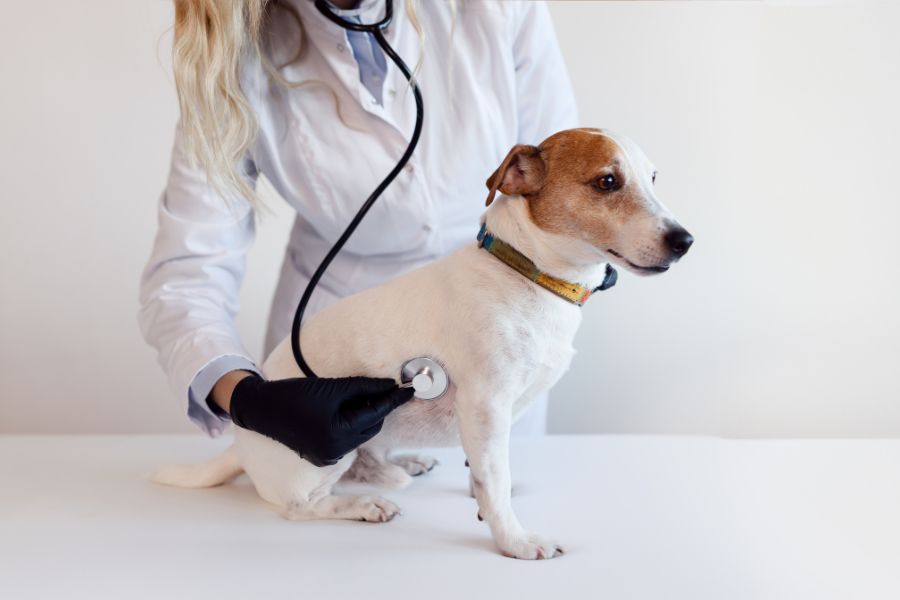
Bringing home a new pet is exciting, but finding the right veterinarian is one of the most important decisions you’ll make as a pet owner. A trusted vet ensures your pet stays healthy, happy, and well cared for throughout their life. In this guide, we’ll walk you through how to choose the best veterinarian, what to look for in a clinic, and how to build a long-term relationship with your pet’s healthcare provider.
Why Choosing the Right Veterinarian Matters
A veterinarian plays a key role in your pet’s overall health. From routine checkups to emergency care, your vet becomes your go-to expert for any health concerns.
Choosing the right one can help:
- Detect health issues early
- Provide proper vaccinations and preventive care
- Offer guidance on nutrition and behavior
- Ensure quick action during emergencies
A good vet doesn’t just treat illness; they help prevent it and improve your pet’s quality of life.
What to Look for in a Good Veterinarian
Not all veterinary clinics are the same. Here are the most important factors to consider when selecting a veterinarian:
Experience and Credentials
Look for a licensed vet with experience treating your specific type of pet. Some vets focus on dogs and cats, while others may handle exotic animals.
Clean and Well-Equipped Facility
Visit the clinic in person if possible. A clean, organized environment with modern equipment is a strong sign of quality care.
Friendly and Knowledgeable Staff
The staff should be welcoming, patient, and willing to answer your questions. Good communication is essential.
Range of Services Offered
A reliable clinic should provide:
- Wellness exams
- Vaccinations
- Dental care
- Diagnostic services
- Emergency care
Having all services under one roof saves time and ensures continuity of care.
How to Research and Compare Veterinarians
Finding the right veterinarian requires a bit of research, but it’s worth the effort.
Ask for Recommendations
Talk to friends, family, or neighbors who own pets. Personal experiences often give the most honest insights.
Read Online Reviews
Check reviews on Google and other platforms. Look for patterns in feedback, such as consistent praise or recurring complaints.
Check Clinic Websites
A professional website can tell you a lot about a clinic. Look for information about services, staff, and their approach to pet care.
Visit the Clinic
Before making a decision, schedule a visit. Observe how the staff interacts with pets and owners.
Questions to Ask Before Choosing a Veterinarian
When you meet a potential veterinarian, ask a few key questions to ensure they’re the right fit:
- What are your clinic hours and emergency policies?
- Do you offer preventive care plans?
- How do you handle after-hours emergencies?
- What are your payment options?
- How do you communicate test results and updates?
These questions help you understand how the clinic operates and whether it matches your needs.
Understanding Costs and Payment Options
Veterinary care costs can vary depending on services and location. It’s important to choose a veterinarian who is transparent about pricing.
Typical Costs to Expect
- Initial exams
- Vaccinations
- Spaying or neutering
- Routine lab tests
Payment Flexibility
Some clinics offer:
- Wellness plans
- Pet insurance support
- Payment plans
Understanding costs upfront helps you avoid surprises and plan your pet’s care better.
Importance of Location and Availability
Convenience matters when choosing a veterinarian, especially during emergencies.
Proximity to Your Home
A nearby clinic makes it easier to attend regular checkups and respond quickly in urgent situations.
Emergency Services
Check if the clinic offers:
- Same-day appointments
- Emergency care
- After-hours support
Quick access to care can make a critical difference in your pet’s health.
Building a Long-Term Relationship with Your Veterinarian
Once you’ve chosen a veterinarian, building a strong relationship is key.
Schedule Regular Checkups
Routine visits help track your pet’s health and catch issues early.
Be Open and Honest
Share details about your pet’s behavior, diet, and any concerns. The more your vet knows, the better they can help.
Follow Preventive Care Plans
Stick to vaccination schedules, parasite prevention, and recommended treatments.
A strong partnership with your vet ensures consistent, high-quality care for your pet.
Red Flags to Watch Out For
Not every clinic will meet your expectations. Be cautious if you notice:
- Poor communication or rushed appointments
- Unclean facilities
- Lack of transparency in pricing
- Negative or inconsistent reviews
If something feels off, trust your instincts and continue your search for the right veterinarian near you. Finding the best veterinarian for your new pet doesn’t have to be overwhelming. Focus on experience, communication, services, and convenience to make the right choice. A good vet will support your pet’s health at every stage of life and give you peace of mind as a pet owner.
If you’re looking for trusted and compassionate veterinary care near you, consider Ellicott Street Animal Hospital in Buffalo, NY, where your pet’s health and comfort always come first. Book an appointment today to give your new companion the best start possible.
FAQs:
Q1: How do I know if a veterinarian is good?
Ans: A good veterinarian is experienced, communicates clearly, and provides comprehensive care in a clean, well-equipped clinic.
Q2: When should I take my new pet to the veterinarian?
Ans: You should schedule your first vet visit within the first week of bringing your pet home for a health check and vaccinations.
Q3: How often should my pet visit the veterinarian?
Ans: Most pets should see a veterinarian at least once a year, while puppies, kittens, and senior pets may need more frequent visits.
Q4: What services should a veterinarian offer?
Ans: A veterinarian should provide wellness exams, vaccinations, diagnostics, dental care, and emergency services.
Q5: Can I switch veterinarians if I’m not satisfied?
Ans: Yes, you can change your veterinarian at any time if you feel your pet is not receiving the best care.