$50 Off First Visit for New Clients

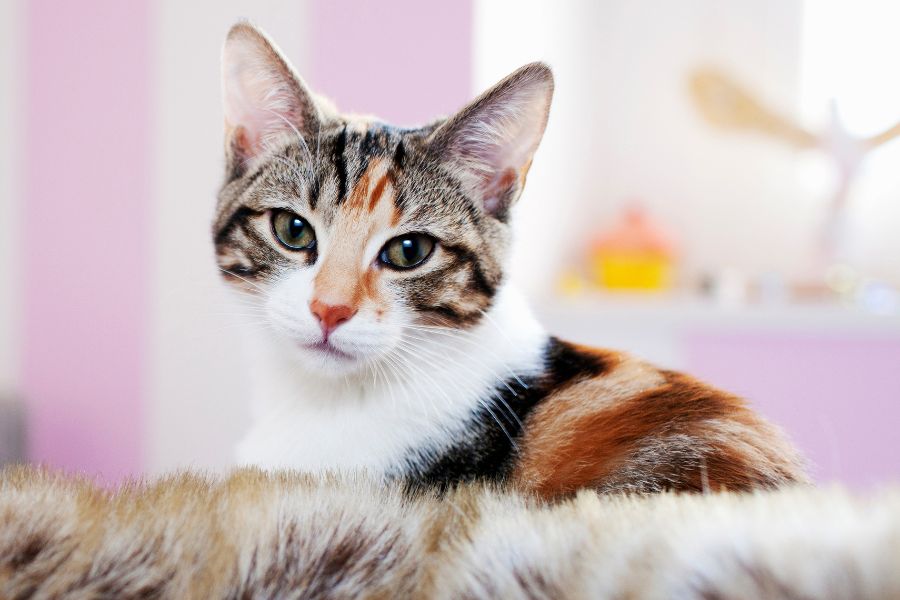
Eye discharge is common in dogs and cats, but it should not always be dismissed as harmless. A small amount of clear moisture around the eyes can be normal, especially after sleep. However, thick, colored, excessive, or persistent discharge may indicate irritation, infection, injury, allergies, or another underlying eye problem.
Knowing what different types of eye discharge may mean can help pet owners recognize when their companion needs professional attention. Eye problems can sometimes worsen quickly, so changes in appearance, comfort, or vision deserve careful observation.
If your pet develops unusual eye discharge, understanding the possible causes and warning signs can help you make an informed decision about veterinary care.
What Is Normal Eye Discharge in Pets?
Healthy pets naturally produce tears to keep the surface of the eyes lubricated and protected. Tears drain through small ducts near the inner corners of the eyes. Occasionally, a pet may have a small amount of discharge after sleeping.
Normal eye discharge is generally:
- Small in quantity
- Clear or slightly watery
- Limited to the inner corner of the eye
- Easy to wipe away
- Not associated with redness or swelling
- Not accompanied by squinting or obvious discomfort
Some pets may naturally produce more tear staining or eye moisture than others. Facial structure can also influence tear drainage, particularly in breeds with shorter noses or prominent eyes.
However, a noticeable change from your pet’s usual eye appearance should not be ignored. If discharge becomes frequent, thick, sticky, or discolored, it may signal a problem that requires evaluation.
What Different Types of Eye Discharge Can Mean
The color, consistency, and amount of discharge can provide useful clues, although they cannot establish a diagnosis by themselves.
Clear and Watery Eye Discharge
Clear discharge may occur because of mild irritation. Dust, environmental particles, wind, or other irritants can cause temporary watering.
Allergies may also contribute to watery eyes. Some pets experience eye watering alongside sneezing, itching, or skin irritation.
If the watering continues or affects only one eye, a veterinarian should evaluate the pet to determine whether another issue is present.
White or Slightly Cloudy Discharge
A small amount of whitish discharge can sometimes occur when tears, mucus, and debris collect around the eye. Occasional discharge may not indicate a serious problem.
Persistent white mucus, especially when accompanied by redness, squinting, or rubbing, may indicate irritation or inflammation.
Yellow or Green Eye Discharge
Yellow or green discharge deserves closer attention. Thick, colored discharge can occur with certain infections or significant inflammation.
Pets with this type of discharge may also have red eyes, swollen eyelids, excessive tearing, or discomfort. Professional evaluation can help determine the underlying cause and appropriate treatment.
Brown or Reddish Tear Staining
Brownish staining around the eyes is often related to tears repeatedly wetting the fur. Tears contain compounds that can cause the surrounding hair to become discolored over time.
Tear staining itself is not necessarily an illness. However, persistent excessive tearing may have an underlying cause, such as poor tear drainage, irritation, or an eye condition.
Common Causes of Eye Discharge in Dogs and Cats
Several conditions can cause abnormal eye discharge. Some are relatively minor, while others require prompt veterinary attention.
Allergies and Environmental Irritation
Pollen, dust, smoke, household particles, and other environmental irritants can cause watery eyes. Pets may also rub their faces or show other signs of itching.
Reducing exposure to a suspected irritant may help, but persistent symptoms should be evaluated.
Conjunctival Inflammation
The conjunctiva is the tissue lining the eyelids and covering part of the eye. Inflammation of this tissue can cause redness, discharge, watering, and discomfort.
The underlying cause may vary, which is why professional assessment is important rather than assuming every case is the same.
Foreign Objects
Grass pieces, dirt, dust, or other small particles can become trapped around or on the eye. Affected pets may suddenly begin squinting, pawing at the face, or producing excessive tears.
Trying to remove an object that appears embedded in the eye can cause additional injury. Veterinary evaluation is safer when a foreign object is suspected.
Corneal Scratches or Ulcers
The cornea is the clear outer surface of the eye. Scratches or ulcers can develop after trauma, foreign-body exposure, or other causes.
Pets with corneal problems may squint, keep the affected eye partially closed, rub their face, or become sensitive to light. These conditions require timely veterinary assessment because untreated corneal damage can become more serious.
Tear Drainage Problems
Tears normally drain through channels that carry fluid away from the eyes. If these pathways become narrowed or blocked, tears can overflow onto the face.
Persistent tearing may result in wet fur and staining around the eyes. A veterinarian can assess whether tear drainage is functioning properly.
Eyelid or Eyelash Abnormalities
Some pets have eyelids or eyelashes that contact the eye surface and cause irritation. This may lead to chronic tearing, discharge, redness, or discomfort.
These problems can be especially important to identify when symptoms repeatedly affect the same eye.
When Should You Be Concerned About Eye Discharge?
Not every instance of eye discharge requires immediate veterinary attention. However, certain signs indicate that your pet should be evaluated promptly.
Contact a veterinary professional if your pet has:
- Thick yellow, green, or bloody discharge
- Significant redness
- Swelling around the eye
- Persistent squinting
- Difficulty keeping the eye open
- Frequent pawing or rubbing at the eye
- Cloudiness or a change in the eye’s appearance
- Excessive tearing
- Sensitivity to light
- A visible injury around the eye
- Sudden changes affecting only one eye
- Signs of vision difficulty
- Eye discharge that continues or becomes worse
Eye problems can progress quickly, particularly when the cornea is involved. Prompt evaluation can help identify the cause and reduce the risk of complications.
Veterinary Care in Buffalo for Pet Eye Problems
When eye discharge persists, professional evaluation is an important part of responsible pet ownership. A veterinarian may examine the eyelids, conjunctiva, cornea, pupils, and surrounding tissues.
Depending on the symptoms, diagnostic testing may be recommended. For example, a veterinarian may evaluate tear production, check for corneal damage, or look for foreign material.
Treatment depends entirely on the underlying cause. Some pets may need medication, while others may require treatment for an underlying eyelid, tear drainage, or corneal problem.
For pet owners searching for veterinary care in Buffalo, choosing a veterinary team that can evaluate eye concerns is an important part of maintaining your pet’s overall well-being.
What Should You Do at Home Before the Veterinary Visit?
If your pet has mild eye discharge, there are a few safe steps you can take while monitoring the situation.
Gently clean discharge from the surrounding fur using a clean, damp cloth or a pet-safe eye-area cleaning product recommended by your veterinarian. Use a fresh section of the cloth for each eye to reduce the risk of spreading contaminants.
Avoid using leftover prescription eye medication or human eye drops unless a veterinarian specifically recommends them. Different eye conditions can look similar but require very different treatments.
Also, prevent your pet from repeatedly rubbing or scratching the affected eye. Excessive rubbing can worsen irritation or potentially cause additional injury.
If symptoms are severe, sudden, or worsening, do not rely on home care alone.
How a Veterinary Hospital Can Evaluate Eye Discharge
A veterinary hospital can assess more than the visible discharge. During an examination, the veterinarian may look for signs of inflammation, injury, infection, foreign material, abnormal tear production, or other conditions.
This comprehensive approach is important because eye discharge is a symptom rather than a diagnosis. Treating only the visible discharge without determining its cause may allow the underlying problem to continue.
Pet owners looking for a veterinary hospital in Buffalo should consider professional evaluation when eye discharge is persistent, recurrent, or accompanied by other concerning symptoms.
Early attention may help protect your pet’s comfort and vision while allowing the underlying condition to be addressed appropriately.
Protecting Your Pet’s Eye Health
Eye discharge can range from a normal buildup of tears to a sign of a condition that needs prompt attention. Paying attention to the color, consistency, frequency, and accompanying symptoms can help you recognize when something has changed.
Never assume that every type of eye discharge has the same cause. If your pet develops persistent discharge, discomfort, redness, swelling, or changes in vision, professional evaluation is the safest approach.
For reliable veterinary near you, pet owners in Buffalo can turn to Ellicott Street Animal Hospital for attentive veterinary evaluation and ongoing care. If your pet is experiencing concerning eye discharge, schedule for an appointment so the underlying issue can be properly assessed and your pet can receive appropriate care.
Frequently Asked Questions
1. Is a little eye discharge normal for dogs and cats?
Ans: A small amount of clear discharge, particularly after sleeping, can be normal. Persistent, thick, colored, or excessive discharge should be evaluated by a veterinarian.
2. Why is my pet’s eye discharge yellow or green?
Ans: Yellow or green discharge can occur with inflammation or certain infections. Because several conditions can cause similar symptoms, veterinary examination is recommended to determine the cause.
3. Should I clean my pet’s eye discharge at home?
Ans: You can gently clean discharge from the fur around the eye using a clean, damp cloth. Avoid putting products or medications directly into the eye unless recommended by a veterinarian.
4. When is eye discharge considered serious?
Ans: Eye discharge accompanied by squinting, swelling, significant redness, cloudiness, injury, vision changes, or severe discomfort warrants prompt veterinary attention.
5. Can allergies cause eye discharge in pets?
Ans: Yes. Environmental allergies and irritants can contribute to watery eyes and discharge. Pets may also show signs such as itching, sneezing, or skin irritation.
6. Should I take my pet to a veterinary hospital for persistent eye discharge?
Ans: Yes. Persistent or worsening discharge can have several possible causes, including corneal problems, inflammation, tear drainage issues, or other eye conditions. A professional examination can help identify the cause.