$50 Off First Visit for New Clients

Dogs and cats cannot point to a sore tooth or tell you when chewing hurts. In fact, many pets continue eating, playing, and following their normal routines even when something is wrong inside their mouths. This can make dental pain surprisingly difficult for pet owners to recognize.
Dental problems can range from inflamed gums and tartar buildup to damaged teeth and infections. Paying attention to small changes in your pet’s behavior may help you recognize trouble before discomfort becomes more severe.
Here are some signs that may indicate your dog or cat is dealing with hidden dental pain.
Why Do Pets Hide Dental Pain?
Animals do not always respond to discomfort the way people do. Instead of crying or refusing to eat, a pet may quietly change how they chew, play, or interact with family members.
Some pets continue eating despite significant oral discomfort. They may chew on one side, swallow food with less chewing, or prefer softer foods.
That is one reason routine oral examinations and pet dental care matter. A veterinary examination can reveal problems that may be difficult to spot simply by looking at your pet at home.
7 Signs Your Pet May Be Hiding Dental Pain
Dental discomfort does not always cause an obvious change in your pet’s daily routine. Small differences in eating habits, behavior, or reactions to touch may be the first clues that something is wrong.
1. Their Breath Has Become Noticeably Worse
Occasional unpleasant breath after eating may not be concerning. Persistent, strong, or unusually foul breath is different.
Bad breath can accompany plaque, tartar, gum disease, or infection. If the odor continues despite routine home care, it deserves attention.
Do not assume strong “dog breath” or “cat breath” is simply part of having a pet. Changes in breath can provide an early clue that something is happening inside the mouth.
2. Your Pet Is Chewing Differently
Watch your pet during meals instead of focusing only on whether the food disappears. A pet with a painful tooth may chew primarily on one side. You might also notice food falling from the mouth or unusually slow chewing.
Some pets stop crunching hard kibble and begin swallowing pieces whole. Others approach their bowl eagerly but hesitate once they begin chewing. These subtle changes are worth discussing with a veterinarian near you.
3. They Suddenly Prefer Softer Food
A dog or cat that has happily eaten dry food for years may suddenly show more interest in canned or softened food. Texture preferences can change for many reasons. However, a sudden preference for softer food may indicate that chewing firm food has become uncomfortable.
You may also notice your pet avoiding hard treats, dental chews, or favorite chew toys. Rather than simply switching foods and forgetting about the change, consider why your pet’s eating habits have changed.
4. They Drop Food While Eating
Food falling from your pet’s mouth can be easy to overlook, especially with messy eaters. Pay closer attention when this behavior is new.
Oral pain may make it difficult for a pet to grip, chew, or move food comfortably inside the mouth. You might notice kibble scattered around the bowl or partially chewed pieces on the floor. A pet may also repeatedly pick up and drop the same piece of food.
5. Your Pet Does Not Want Their Face Touched
Does your normally affectionate pet suddenly pull away when you touch their muzzle? Dental discomfort can make the mouth, jaw, or surrounding facial area sensitive. Your pet may turn away, flinch, lower their head, or become unusually defensive when you approach the area.
Some pets also become reluctant to have their teeth brushed when brushing was previously tolerated. A sudden behavioral change during normal handling should not be dismissed.
6. You Notice Drooling or Pawing at the Mouth
Some pets drool naturally. A noticeable increase in drooling, however, can signal oral discomfort. You may notice wet fur around the mouth or more saliva on bedding. In some cases, saliva may appear blood-tinged.
Repeatedly rubbing the face against furniture or pawing at the mouth can also indicate irritation or pain. These behaviors warrant veterinary attention, particularly when they begin suddenly.
7. Your Pet Is Less Playful or More Irritable
Dental pain does not affect only eating. A dog with a painful mouth may stop playing tug-of-war or carrying favorite toys. A cat may become quieter, hide more frequently, or avoid normal interaction.
Some pets become irritable when approached. Others simply sleep more or seem less enthusiastic about everyday activities.
Because these behavioral changes can occur with many health problems, a veterinary examination can help determine what is causing them.
What Dental Problems Can Cause Pain in Pets?
Several oral conditions can make eating and everyday activities uncomfortable. Common concerns may include:
- Plaque and tartar accumulation
- Inflamed or diseased gums
- Loose or damaged teeth
- Broken teeth
- Tooth infections
- Advanced periodontal disease
- Painful oral growths or other abnormalities
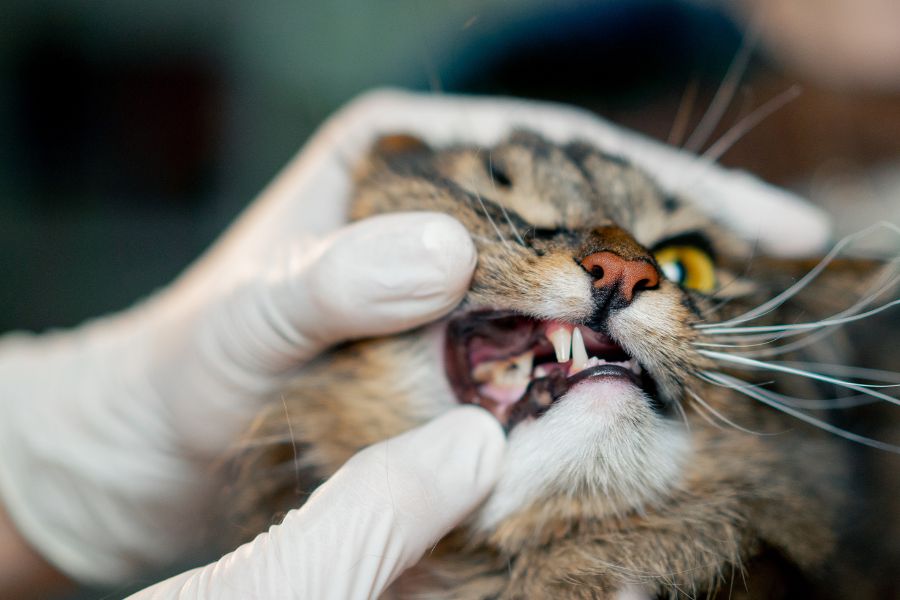
Some problems are visible when you lift your pet’s lip. Others may be hidden below the gumline or in areas that are difficult to examine while a pet is awake.
This is why appearance alone cannot always tell you whether your pet’s mouth is healthy.
Why Routine Dental Checks Matter
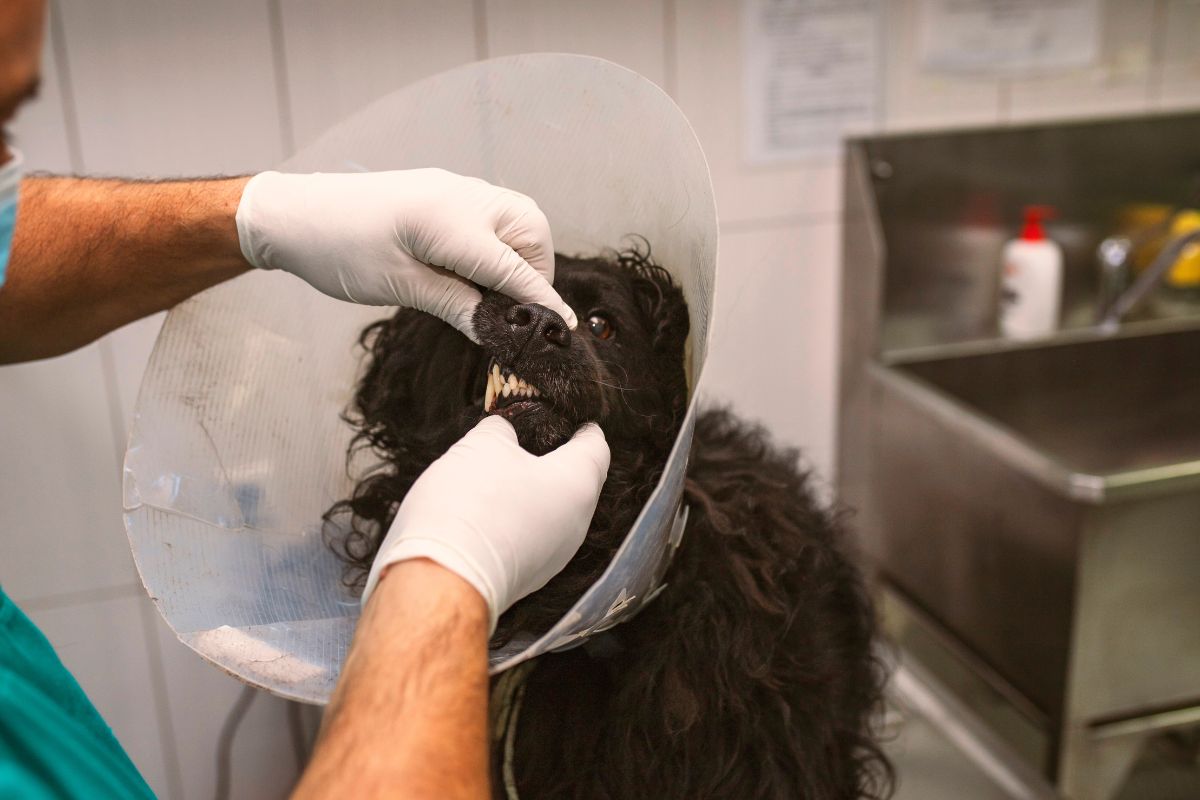
Waiting until a pet stops eating can mean waiting too long. Routine veterinary visits give the veterinary team an opportunity to examine the teeth and gums before obvious symptoms develop. Your veterinarian can then discuss whether home care is appropriate or further dental treatment should be considered.
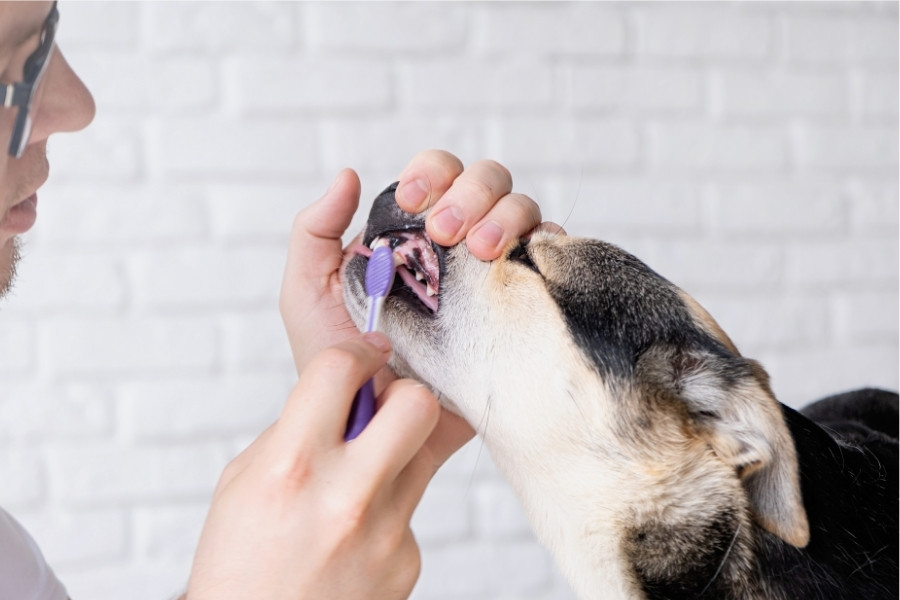
Professional dental treatment may also be necessary once tartar or significant dental disease has developed. Preventive pet dental care at home is another important part of maintaining oral health. Depending on your pet, your veterinarian may discuss toothbrushing, veterinary dental products, or other practical options that fit your pet’s needs.
Consistency matters. Oral health should be treated as an ongoing part of your pet’s overall health rather than something addressed only after pain becomes obvious.
What Should You Do If You Suspect Dental Pain?
Avoid trying to examine a painful mouth aggressively at home. Even a gentle pet may react unexpectedly when an area hurts. Instead, note the changes you have observed. Consider when they started and whether your pet’s eating, drinking, grooming, play, or behavior has also changed.
Schedule a veterinary examination if you notice persistent bad breath, difficulty chewing, facial sensitivity, unusual drooling, visible dental damage, or other concerning changes.
Seek prompt veterinary attention when your pet cannot eat, has significant facial swelling, is bleeding from the mouth, or appears to be in considerable pain.
Help Your Pet Eat, Play, and Live More Comfortably
Your pet should not have to live with an uncomfortable mouth simply because the signs are difficult to recognize. Regular dental examinations can help identify concerns and determine what care your dog or cat needs.
For Buffalo pet owners, Ellicott Street Animal Hospital provides preventive and dental care focused on protecting pets’ long-term health and comfort. The hospital’s veterinary team includes Dr. R. Reed Stevens, DVM, along with several other veterinarians who care for pets throughout different stages of life.
If you have noticed bad breath, unusual chewing, food dropping, facial sensitivity, or another change in your pet, schedule a dental evaluation. A timely visit can help identify the source of the problem and get your pet the appropriate care.
Frequently Asked Questions
1. Can a dog or cat have dental pain and still eat normally?
Ans: Yes. Some pets continue eating even when their mouths hurt. They may compensate by chewing differently, swallowing food quickly, or avoiding harder pieces. Continuing to eat does not necessarily mean your pet is free from dental discomfort.
2. How can I check my pet’s teeth at home?
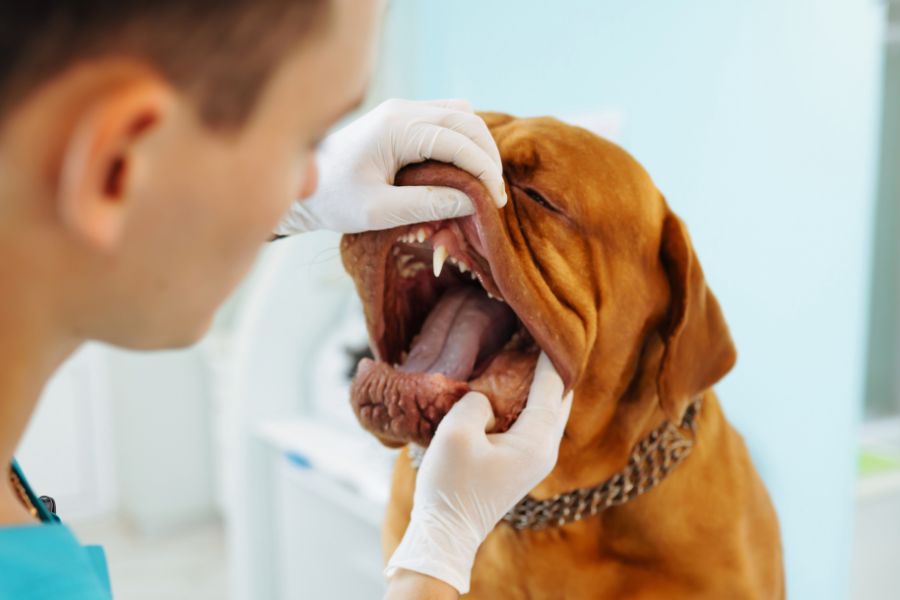
Ans: If your pet is comfortable with handling, gently lift the lips and look for tartar, redness, swelling, damaged teeth, or other obvious changes. Never force your pet’s mouth open if they resist or appear painful. A veterinary examination provides a more thorough assessment.
3. Where can I take my pet for a dental evaluation in Buffalo?
Ans: Buffalo pet owners can schedule an oral health evaluation with Ellicott Street Animal Hospital. The veterinary team can examine your pet’s mouth, identify signs of dental disease, and discuss appropriate next steps based on the findings.
4. Does Ellicott Street Animal Hospital provide dental treatment for pets in Buffalo?
Ans: Yes. Ellicott Street Animal Hospital provides dental care as part of its veterinary services in Buffalo. Depending on your pet’s oral health, the team can discuss preventive care, professional dentistry, and treatment options for painful dental conditions.
5. When should Buffalo pet owners schedule a veterinary visit for bad breath?
Ans: Persistent or unusually strong breath should not simply be dismissed as normal pet odor. Buffalo pet owners can contact Ellicott Street Animal Hospital for an examination, particularly when bad breath occurs with tartar, difficulty eating, drooling, or changes in behavior.
6. Is brushing enough to prevent every dental problem?
Ans: No. Regular brushing can help control plaque, but it cannot prevent or treat every dental condition. Once tartar or significant disease develops, professional veterinary treatment may be necessary. Routine examinations help determine what type of care your pet needs.