$50 Off First Visit for New Clients

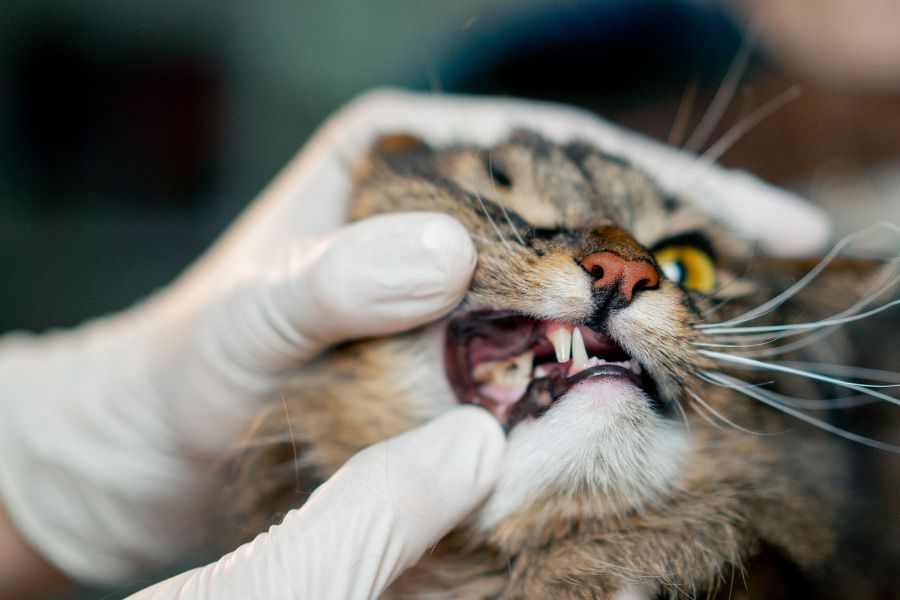
Cat teeth are small, sharp, and often overlooked, but they play a huge role in your cat’s overall health. Many pet owners are surprised to learn how different cat teeth are from human teeth and how dental problems can impact a cat’s heart, kidneys, and daily comfort. In this article, we’ll break down 5 shocking facts about cat teeth, why dental care matters, and what cat owners should watch for to keep their feline friends healthy.
Fact #1: Adult Cats Have Only 30 Teeth, But Each One Matters
Unlike humans, adult cats have just 30 teeth, compared to our 32. Kittens start with 26 baby teeth, which are usually replaced by adult teeth by about six months of age.
Here’s what makes cat teeth unique:
- Cats are obligate carnivores, so their teeth are designed for tearing meat—not chewing.
- Their sharp premolars and molars act like scissors.
- Even one damaged or painful tooth can significantly affect eating behavior.
Because cats rely heavily on every tooth they have, dental issues such as broken teeth or gum disease can quickly lead to weight loss or behavior changes. Many cat owners assume their cat is “just picky” when dental pain is actually the issue.
Fact #2: Most Cats Over Age 3 Have Dental Disease
This is one of the most surprising and concerning facts about cat teeth. Studies show that over 70% of cats older than three years have some form of dental disease.
Common dental problems in cats include:
- Gingivitis (inflamed gums)
- Periodontal disease
- Tooth resorption (a painful condition unique to cats)
- Tartar and plaque buildup
Dental disease often goes unnoticed because cats hide pain extremely well. You may not see obvious symptoms until the problem is advanced. In colder climates, where cats may spend more time indoors during winter, reduced activity can make subtle signs even easier to miss.
Fact #3: Bad Cat Breath Is NOT Normal
Many people think smelly cat breath is just part of owning a cat—but it’s not. Healthy cat breath should be relatively odorless.
Persistent bad breath can signal:
- Gum infections
- Tooth decay
- Tooth resorption
- Underlying health issues such as kidney disease or diabetes
If your cat’s breath smells unusually foul, it’s often one of the first warning signs of dental disease. Early intervention can prevent more serious complications and reduce the need for extractions later on.
Fact #4: Cat Dental Problems Can Affect the Entire Body
Dental disease doesn’t stop at the mouth. Bacteria from infected gums can enter the bloodstream and impact vital organs.
Potential health risks linked to poor cat dental health include:
- Heart disease
- Kidney infections
- Liver issues
- Weakened immune system
This is especially important for senior cats, which make up a growing portion of the pet population. Preventive dental care isn’t just about teeth; it’s about extending your cat’s quality of life.
Fact #5: Cats Rarely Show Dental Pain the Way Dogs Do
Dogs often paw at their mouths or stop eating when they’re in pain. Cats, on the other hand, tend to suffer silently.
Subtle signs of cat dental pain include:
- Dropping food while eating
- Chewing on one side of the mouth
- Decreased grooming
- Hiding more than usual
- Irritability or behavior changes
Because these signs can be mistaken for “normal cat behavior,” dental disease often progresses before owners realize something is wrong. Regular veterinary dental exams are essential for catching problems early.
Why Cat Teeth Care Is Often Overlooked
Many cat owners focus on vaccinations, flea prevention, and diet, but dental care frequently falls to the bottom of the list. Unlike dogs, cats are less tolerant of at-home tooth brushing, which leads many owners to skip dental routines altogether.
However, neglecting cat teeth can lead to:
- Chronic pain
- Tooth loss
- Costly dental procedures
- Long-term health complications
Veterinary dental care offers a safe and effective way to manage plaque, address hidden dental issues, and keep your cat comfortable.
How to Protect Your Cat’s Dental Health
Caring for a cat’s teeth doesn’t have to be complicated. Small, consistent steps can make a big difference.
At-Home Dental Tips
- Use cat-specific dental treats approved for oral health
- Offer dental-friendly dry food if recommended by your veterinarian
- Look for water additives designed for cats
- Gently introduce tooth brushing using feline toothpaste (never human toothpaste)
Professional Dental Care
Routine dental exams and cleanings performed by a veterinarian allow for:
- Thorough plaque and tartar removal
- Dental X-rays to detect hidden issues
- Early treatment of tooth resorption or infections
For pet owners, seasonal changes can affect feeding habits and hydration, which also play a role in oral health. Keeping dental care consistent year-round is key.
Cat Dental Care
Buffalo’s long winters often mean cats spend more time indoors, snacking more frequently, and being less active. This lifestyle can contribute to faster plaque buildup on a cat’s teeth. Regular dental checkups become even more important for indoor cats that may not naturally clean their teeth through outdoor behaviors.
At Ellicott Street Animal Hospital, feline dental health is treated as a core part of preventive care, helping cats stay healthy, pain-free, and comfortable at every life stage. If you have concerns about your cat’s teeth or breath, book an appointment today to ensure your feline companion stays healthy and comfortable.
Conclusion
Cat teeth may be small, but their impact on your cat’s health is huge. From the high rate of dental disease to the surprising link between oral health and internal organs, these shocking facts highlight why dental care should never be ignored. With regular checkups, early detection, and simple at-home habits, you can protect your cat’s smile and overall well-being.
FAQs
Q1: How many teeth does an adult cat have?
Ans: Adult cats have 30 permanent teeth, all designed for tearing and slicing food rather than chewing.
Q2: Is it normal for cats to lose teeth as they age?
Ans: No, tooth loss is not normal and usually indicates dental disease or tooth resorption.
Q3: How often should cats have dental checkups?
Ans: Most cats should have a dental exam at least once a year, or more often if dental issues are present.
Q4: Can dental disease affect a cat’s appetite?
Ans: Yes, dental pain often causes cats to eat less, chew on one side, or avoid hard food entirely.
Q5: What are the early signs of dental problems in cats?
Ans: Early signs include bad breath, red gums, subtle behavior changes, and dropping food while eating.