$50 Off First Visit for New Clients

Just like people, dogs need strong and clean teeth to live happy lives. However, many pet parents often overlook dental care until bad breath or discomfort appears. Tartar buildup is one of the most common dental issues seen in dogs, and it can quickly lead to gum disease, infections, or even systemic health problems. The good news? Preventing tartar is simple if you stay proactive and consistent.
Why Tartar Is More Than Just Stains
When plaque—a sticky layer of bacteria—remains on your dog’s teeth, it hardens into tartar. Unlike plaque, tartar cannot be brushed away at home. It creates rough surfaces on teeth that trap more bacteria, which irritates the gums and causes periodontal disease. Furthermore, untreated tartar can lead to tooth loss, pain, and infections that affect the heart, kidneys, and liver. Therefore, every pet owner should make dental care a regular part of their dog’s wellness routine.
Brush Like a Pro: Make It a Daily Habit
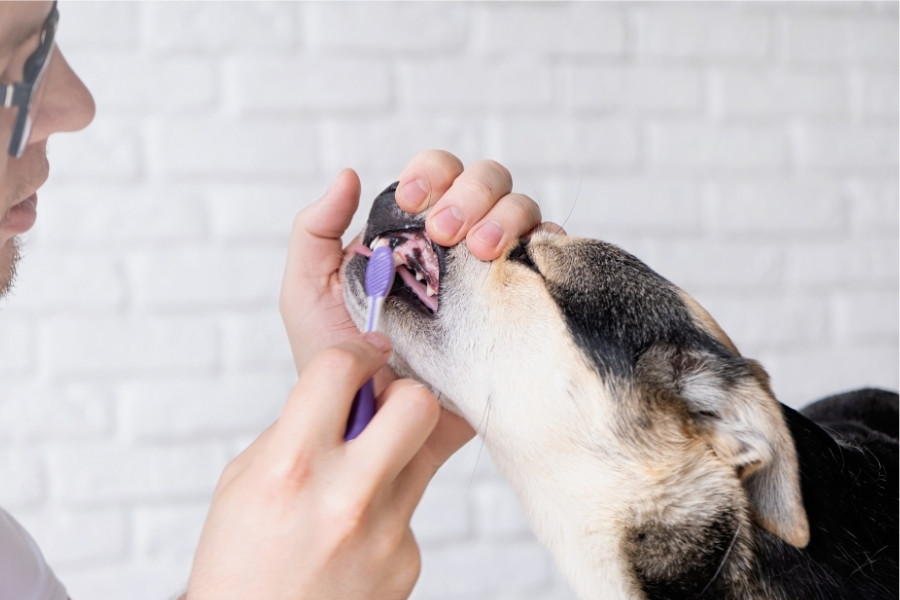
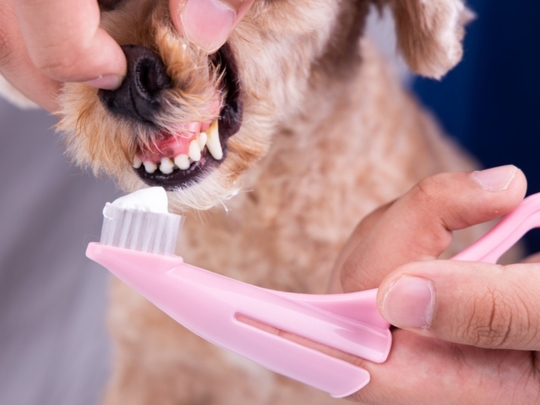
Brushing is the most powerful defense against tartar buildup. Instead of occasional brushing, aim for several times a week—or even daily if your pup allows it. Use a dog-specific toothbrush and vet-approved toothpaste. Never use human toothpaste, as it contains xylitol or fluoride, which can be toxic to dogs.
Start slow by gently introducing the toothbrush. Reward your pup with praise and treats after each attempt. Over time, brushing will feel like a bonding moment rather than a chore.
Dental Diets and Chews: Tasty Ways to Fight Plaque
Not every dog is comfortable with brushing, but that doesn’t mean you’re out of options. Special dental diets and approved dental chews help control plaque and tartar. These foods are designed with specific textures that scrub the teeth as your dog chews. Look for the Veterinary Oral Health Council (VOHC) seal on dental treats for added assurance.
Chewing is a natural stress reliever for dogs, so dental chews not only improve oral health but also keep them entertained and happy.
Professional Cleanings: When Home Care Isn’t Enough
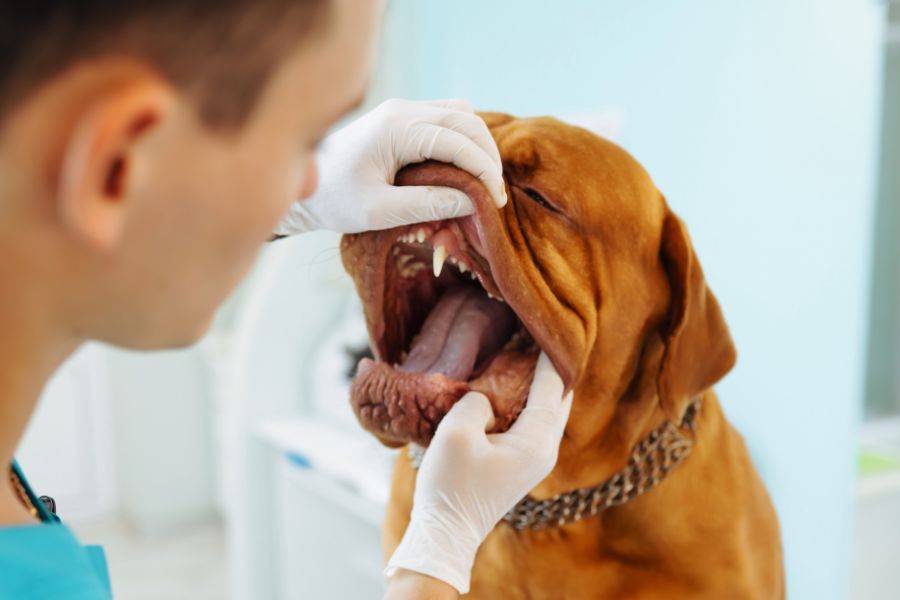
Even with consistent brushing and chews, tartar can still form over time. That’s where professional dental cleanings come in. A veterinarian, or any trusted animal hospital in Buffalo, can perform a thorough cleaning under anesthesia. This process removes stubborn tartar, checks for hidden issues like tooth decay, and keeps your dog’s mouth fresh and pain-free.
If you notice persistent bad breath, stained teeth, or red gums, schedule an appointment at an animal clinic for an oral exam. Regular checkups and cleanings are the best way to protect against dental disease.
Holistic Habits That Go a Long Way
Beyond brushing and dental chews, small everyday choices can make a difference. Provide clean fresh water at all times, as water helps wash away food particles and bacteria. Avoid giving your dog sugary treats or table scraps that encourage bacteria growth. Certain water additives, dental rinses, and gels recommended by your pet dentistry Buffalo experts also offer extra layers of protection.
Building a Lifetime of Dental Health
Preventing tartar is about consistency, not perfection. By pairing at-home care with professional veterinary support, you can ensure your dog keeps flashing a healthy smile well into their senior years. Invest in your dog’s dental health today, and you’ll save them from unnecessary pain tomorrow.
FAQs About Preventing Tartar in Dogs
Q1. How often should I brush my dog’s teeth?
Ans. Ideally, you should brush daily. However, even brushing three to four times a week significantly reduces tartar buildup.
Q2. Are dental chews enough to replace brushing?
Ans. No, dental chews are helpful but not a substitute for brushing. Use them as part of a complete dental care plan.
Q3. What signs show my dog needs a dental cleaning?
Ans. Common signs include bad breath, yellow or brown stains, red gums, drooling, and difficulty eating. If you see these, visit your veterinarian promptly.
Q4. Is anesthesia safe for my dog during dental cleanings?
Ans. Yes, anesthesia is generally safe when monitored carefully by professionals at an animal hospital in Buffalo. It ensures the cleaning is thorough and pain-free.
Q5. Can I use human toothpaste for my dog?
Ans. No, never use human toothpaste. Always choose a vet-approved dog toothpaste to keep your pup safe.
Q6. How often should my dog get professional cleanings?
Ans. Most dogs benefit from annual cleanings at an animal clinic, though some may need them more often depending on their health and breed.