$50 Off First Visit for New Clients

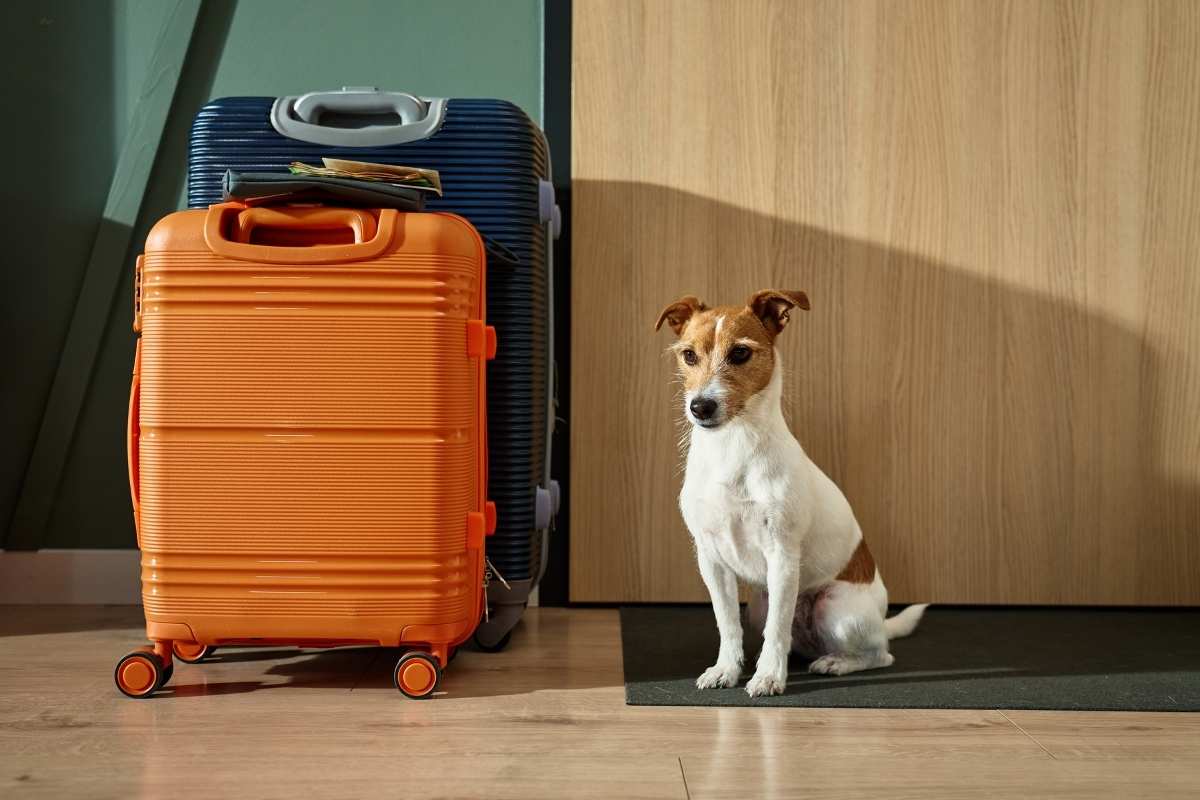
The Fourth of July is one of the busiest travel weekends of the year. Families head out for vacations, backyard gatherings, camping trips, and visits with friends and relatives. Many pet owners choose to bring their furry companions along, making the holiday even more memorable. While traveling with pets can be rewarding, it also comes with unique challenges, especially during a holiday known for fireworks, crowds, hot weather, and increased traffic.
Planning ahead is the best way to help your pet stay safe, comfortable, and stress-free throughout your trip. Whether you’re traveling across New York or heading out of town, these practical Fourth of July safety tips can help you enjoy the holiday while protecting your pet’s well-being. If concerns arise during your travels, having access to a trusted veterinary hospital Buffalo pet owners rely on can provide valuable peace of mind.
Why Holiday Travel Can Be Stressful for Pets
Pets thrive on routine. Changes in their environment, unfamiliar places, loud celebrations, and long hours in the car can all increase anxiety. The Fourth of July introduces additional hazards, including fireworks, crowded parks, unfamiliar people, and outdoor cooking.
Understanding these potential stressors allows you to prepare for them before your trip begins.
Common travel-related challenges include:
- Long periods in the vehicle
- Hot summer temperatures
- Loud fireworks and celebrations
- Changes in feeding schedules
- New environments with unfamiliar smells
- Increased risk of getting lost
- Exposure to unsafe foods and decorations
With thoughtful planning, most of these risks can be significantly reduced.
Prepare Before You Leave Home
Successful travel starts well before you pack the car.
Create a checklist several days before your departure to ensure nothing is overlooked.
Bring essentials such as:
- Food for the entire trip
- Fresh water
- Food and water bowls
- Leash and secure harness
- Waste bags
- Favorite toys
- Comfortable bedding
- Any prescribed medications
- Grooming supplies
- Cleaning wipes and towels
Having familiar items nearby helps many pets feel more comfortable in unfamiliar surroundings.
Keep Identification Up to Date
Holiday travel increases the possibility of pets becoming separated from their families.
Before leaving home:
- Check that your pet’s identification tag is easy to read.
- Confirm your contact information is current.
- Make sure collars fit securely without being too tight.
- Carry recent photographs of your pet in case you need to share them quickly.
Proper identification greatly improves the chances of a safe reunion if your pet wanders away.
Practice Safe Car Travel
Road trips are common during Independence Day weekend, but car rides require special safety precautions.
Never allow pets to roam freely inside a moving vehicle. Sudden stops or accidents can lead to serious injuries.
Safer travel options include:
- Crash-tested travel carriers
- Pet travel crates
- Seatbelt harness systems designed for pets
These restraints help protect both your pet and everyone inside the vehicle.
Never Leave Pets Inside a Parked Vehicle
Even on moderately warm days, the temperature inside a parked car can rise rapidly.
Leaving windows cracked does very little to reduce dangerous heat buildup. Within minutes, conditions can become life-threatening.
Whenever possible:
- Bring your pet with you.
- Leave them with another responsible adult.
- Choose pet-friendly destinations where they can safely accompany you.
Heat-related illness can develop much faster than many owners realize.
Plan Frequent Breaks During Long Drives
Long hours in the car can become uncomfortable for pets.
Stop every few hours to allow your pet to:
- Stretch
- Walk safely on a leash
- Drink water
- Take bathroom breaks
Avoid allowing pets to roam freely in unfamiliar rest areas. Keep them securely leashed at all times.
Frequent breaks also reduce stress and help make the trip more enjoyable.
Help Your Pet Stay Hydrated
Summer travel often means higher temperatures and increased outdoor activity.
Always carry fresh drinking water and offer it regularly throughout your trip.
Signs that your pet may be becoming overheated include:
- Excessive panting
- Weakness
- Drooling
- Bright red gums
- Lethargy
If these signs appear, move your pet to a cooler area immediately and seek veterinary guidance as soon as possible.
Be Cautious Around Fireworks
Fireworks are one of the biggest holiday hazards for pets.
Many animals experience fear when exposed to loud explosions and flashing lights. Even pets that normally remain calm may panic unexpectedly.
Whenever possible:
- Keep pets indoors before fireworks begin.
- Close windows and curtains.
- Turn on calming background noise such as a television or fan.
- Create a quiet room where your pet feels secure.
- Avoid bringing pets to public fireworks displays.
A frightened pet may bolt unexpectedly, making secure containment especially important during the evening hours.
Watch Out for Backyard Party Hazards
Holiday cookouts create many temptations for curious pets.
Foods commonly found at celebrations may upset your pet’s stomach or create choking hazards.
Keep pets away from:
- Cooked bones
- Corn cobs
- Fatty meats
- Onions
- Garlic
- Chocolate desserts
- Grapes and raisins
- Alcoholic beverages
- Foods containing xylitol
In addition, keep trash bags securely closed to prevent pets from searching for leftovers.
Choose Pet-Friendly Accommodations
If you’re staying overnight, confirm that your hotel or rental welcomes pets before arriving.
Once inside your accommodations:
- Inspect the room for hazards.
- Secure electrical cords.
- Remove small objects your pet could swallow.
- Keep doors and windows securely closed.
- Give your pet time to explore under supervision.
Creating a familiar resting area with their bed or blanket can help reduce travel-related anxiety.
Protect Pets During Outdoor Activities
Many Fourth of July celebrations include hiking, camping, picnics, and visits to local parks.
Outdoor adventures are enjoyable, but they require extra awareness.
Keep pets safe by:
- Providing shade whenever possible.
- Avoiding hot pavement during peak afternoon temperatures.
- Carrying plenty of drinking water.
- Using a sturdy leash.
- Monitoring for signs of fatigue.
Remember that asphalt and sidewalks can become extremely hot during summer afternoons and may burn sensitive paw pads.
Keep Daily Routines as Consistent as Possible
Although vacations naturally disrupt normal schedules, maintaining familiar routines helps pets adjust more easily.
Try to keep feeding times, walks, and bedtime close to your pet’s regular schedule.
Routine creates predictability, helping reduce anxiety in unfamiliar environments.
Know Where to Find Veterinary Care
Even well-planned trips can involve unexpected situations.
Before leaving home, identify nearby veterinary facilities at your destination. Knowing where to go ahead of time can save valuable time if your pet becomes ill or injured.
Whether you’re traveling or spending the holiday locally, having access to pet urgent care Buffalo residents trust provides reassurance if an unexpected health concern develops during the busy holiday weekend.
When Should You Seek Prompt Veterinary Attention?
While many travel-related issues are minor, some require immediate professional evaluation.
Contact a veterinary professional if your pet experiences:
- Difficulty breathing
- Collapse
- Persistent vomiting
- Severe diarrhea
- Heat-related illness
- Trauma or injury
- Suspected ingestion of toxic foods
- Uncontrolled bleeding
- Extreme anxiety resulting in self-injury
Acting quickly often leads to better outcomes and can prevent conditions from becoming more serious.
Celebrate Safely with Your Pet
The Fourth of July should be enjoyable for every member of the family, including your pets. Careful planning, safe travel practices, and attention to your pet’s comfort can help reduce many common holiday risks.
Whether you’re taking a road trip or staying close to home, preparation makes all the difference. If your pet needs professional care before or after your holiday travels, schedule for an appointment with Ellicott Street Animal Hospital. Their experienced Buffalo veterinarian team is committed to helping pets stay healthy, comfortable, and ready to enjoy every season safely.
Frequently Asked Questions
1. Is it safe to travel with my pet during the Fourth of July?
Ans: Yes. With proper preparation, secure transportation, regular breaks, hydration, and a plan for fireworks safety, many pets travel comfortably during the holiday.
2. How can I help my pet stay calm during fireworks?
Ans: Keep your pet indoors, close windows and curtains, provide a quiet room, and use familiar bedding or toys to create a comforting environment.
3. How often should I stop during a road trip with my pet?
Ans: Most pets benefit from breaks every two to three hours to walk, drink water, and relieve themselves safely.
4. What foods should pets avoid during Fourth of July celebrations?
Ans: Keep pets away from cooked bones, chocolate, onions, garlic, grapes, raisins, fatty foods, alcoholic beverages, and foods containing xylitol.
5. What are signs that my pet may be overheating?
Ans: Watch for excessive panting, drooling, weakness, lethargy, bright red gums, or difficulty walking. Move your pet to a cool area and seek veterinary care if symptoms persist.
6. Why is it important to know where a veterinary clinic is before traveling?
Ans: Unexpected illnesses or injuries can happen during any trip. Knowing the location of a trusted veterinary provider beforehand allows you to respond more quickly if your pet needs medical attention.