$50 Off First Visit for New Clients

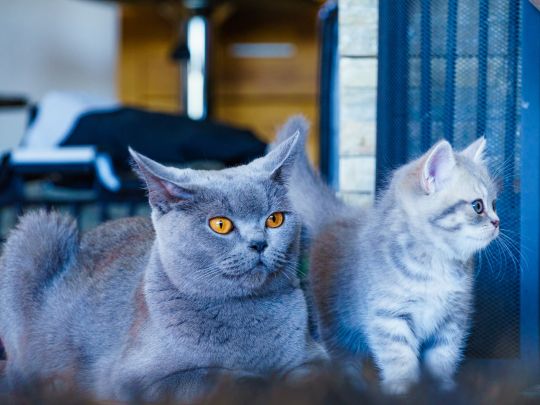
Cats are experts at hiding discomfort and illness. Unlike dogs, cats often mask pain or changes in behavior until a condition becomes more advanced. That’s why routine veterinary exams play such an important role in protecting your cat’s long-term health. Regular checkups allow veterinarians to identify subtle warning signs, detect medical issues early, and provide preventive care that helps cats live healthier, happier lives.
Whether you recently adopted a kitten or care for a senior cat, scheduling routine wellness visits is one of the most important things you can do for your feline companion. We believe proactive veterinary care is the foundation of lifelong wellness for cats in Buffalo and the surrounding communities.
Why Routine Veterinary Exams Matter for Cats
Many cat illnesses develop gradually and may not show obvious symptoms right away. Conditions such as kidney disease, diabetes, thyroid disorders, dental disease, arthritis, and heart problems can progress silently before pet owners notice changes at home.
Routine veterinary exams help detect these conditions earlier, often before symptoms become severe. During a wellness visit, veterinarians evaluate your cat’s overall health and look for small changes that may indicate an underlying issue.
Early diagnosis often means:
- Faster treatment
- Better treatment outcomes
- Lower long-term medical costs
- Reduced discomfort for your cat
- Improved quality of life
Preventive care also allows veterinarians to monitor your cat’s health over time and create personalized recommendations based on age, breed, lifestyle, and medical history.
What Happens During a Routine Cat Wellness Exam?
A routine veterinary exam is much more than a quick physical checkup. Your veterinarian carefully evaluates multiple aspects of your cat’s health to identify potential concerns early.
Physical Examination
During the exam, your veterinarian may:
- Check your cat’s weight and body condition
- Listen to the heart and lungs
- Examine the eyes, ears, skin, and coat
- Evaluate joints and mobility
- Assess hydration levels
- Feel the abdomen for abnormalities
- Check for dental disease or oral infections
Even subtle findings during a physical exam can help identify early signs of illness.
Diagnostic Testing
Routine testing is often recommended alongside wellness exams to uncover hidden medical conditions. Common diagnostic screenings include:
- Bloodwork
- Urinalysis
- Fecal testing
- Parasite screenings
- Heartworm and FeLV/FIV testing
These tests provide valuable insight into organ function and overall health, even when your cat appears healthy on the outside.
Vaccination and Preventive Care
Routine visits also help ensure your cat stays current on:
- Vaccinations
- Parasite prevention
- Nutritional guidance
- Dental care recommendations
- Behavioral evaluations
Preventive care is especially important for kittens, senior cats, and cats with chronic medical conditions.
Common Cat Illnesses Routine Exams Can Detect Early
Routine veterinary care can help identify many common feline health problems before they become serious.
Kidney Disease
Chronic kidney disease is one of the most common conditions affecting older cats. Early symptoms may be difficult to notice at home, but routine blood and urine testing can often detect changes in kidney function early.
When identified sooner, treatment and dietary changes may help slow disease progression and improve quality of life.
Dental Disease
Dental disease affects many adult cats and can lead to pain, infection, and difficulty eating. During wellness exams, veterinarians check for:
- Tartar buildup
- Gum inflammation
- Loose teeth
- Oral infections
Early dental care helps prevent complications and keeps your cat more comfortable.
Diabetes
Feline diabetes is becoming increasingly common, especially in overweight cats. Symptoms such as increased thirst or weight loss may develop gradually.
Routine wellness testing can help detect abnormal blood sugar levels before complications worsen.
Hyperthyroidism
Hyperthyroidism commonly affects senior cats and can cause:
- Weight loss
- Increased appetite
- Hyperactivity
- Vomiting
- Elevated heart rate
Blood testing during routine exams can identify thyroid issues early so treatment can begin promptly.
Heart Disease
Cats can develop heart disease without obvious symptoms. Veterinarians may detect heart murmurs or irregular heart rhythms during routine exams, leading to additional diagnostic testing if needed.
Arthritis
Many cats develop arthritis as they age, but symptoms can be subtle. Cats may simply jump less, sleep more, or avoid stairs. Routine exams help veterinarians identify mobility changes and recommend pain management solutions.
The Importance of Routine Exams for Kittens
Kittens grow rapidly during their first year of life and require regular veterinary visits to support healthy development.
Proper kitten care in Buffalo includes:
- Vaccination schedules
- Parasite prevention
- Nutritional guidance
- Growth monitoring
- Behavioral advice
- Spay and neuter recommendations
Routine kitten visits also help veterinarians identify congenital conditions or developmental concerns early.
Early preventive care establishes a strong foundation for lifelong health and helps kittens grow into healthy adult cats.
Senior Cats Need More Frequent Monitoring
As cats age, their risk for chronic diseases increases significantly. Many veterinarians recommend wellness exams every six months for senior cats to monitor health changes more closely.
Senior wellness visits may include:
- Comprehensive blood panels
- Blood pressure checks
- Urinalysis
- Weight monitoring
- Mobility evaluations
Frequent monitoring allows veterinarians to catch age-related conditions earlier and adjust treatment plans as needed.
Signs Your Cat May Need Veterinary Attention
While routine exams are essential, pet owners should also watch for signs that may indicate illness between visits.
Contact your veterinarian if your cat experiences:
- Changes in appetite
- Weight loss or gain
- Increased thirst
- Vomiting or diarrhea
- Lethargy
- Difficulty breathing
- Changes in litter box habits
- Hiding or behavioral changes
- Bad breath or drooling
- Trouble walking or jumping
Even minor changes in behavior can signal an underlying health problem in cats.
Why Preventive Veterinary Care Saves Money
Some pet owners postpone routine exams because their cat appears healthy. However, preventive care is often far less expensive than treating advanced illnesses.
Detecting medical conditions early can help avoid:
- Emergency veterinary visits
- Hospitalization
- Extensive treatments
- Advanced diagnostic procedures
Routine wellness care supports both your cat’s health and your long-term veterinary budget.
Creating a Stress-Free Veterinary Experience for Cats
Cats can become anxious during veterinary visits, but there are ways to make appointments easier.
Helpful tips include:
- Using a comfortable carrier
- Bringing familiar blankets or toys
- Scheduling calm travel times
- Using feline pheromone sprays
- Keeping your cat accustomed to handling at home
A calm veterinary experience helps reduce stress and allows veterinarians to perform more accurate examinations.
Why Choose Our Animal Hospital
Choosing the right veterinary team is essential for your cat’s health and comfort. At Ellicott Street Animal Hospital, we are committed to providing compassionate, personalized care for cats of all ages.
Why choose our animal hospital:
- Experienced veterinary professionals
- Comprehensive wellness and diagnostic services
- Preventive care tailored to your cat’s needs
- Gentle handling techniques for feline patients
- Advanced diagnostic technology
- A caring and supportive environment for pet owners
Whether your cat needs preventive care, diagnostic testing, or ongoing medical management, our team is dedicated to helping your pet live a healthy and comfortable life.
Schedule an Appointment for Your Cat’s Wellness Exam
Routine wellness visits are one of the best ways to protect your cat’s health and detect illnesses before they become more serious. Regular veterinary care allows your cat to receive early treatment, preventive screenings, and personalized care throughout every stage of life.
If your cat is due for a checkup, schedule an appointment with Ellicott Street Animal Hospital today. Our veterinary team is proud to provide compassionate care for cats and support pet owners throughout Buffalo with trusted preventive veterinary services.
Frequently Asked Questions
1. How often should my cat have a wellness exam?
Ans: Most adult cats should visit the veterinarian once a year for a wellness exam. Senior cats or cats with chronic medical conditions may benefit from exams every six months.
2. Why are routine exams important if my cat seems healthy?
Ans: Cats often hide signs of illness. Routine exams and diagnostic testing help identify medical problems early before symptoms become obvious.
3. What tests are commonly included during cat wellness visits?
Ans: Common wellness tests may include bloodwork, urinalysis, fecal testing, parasite screenings, and other diagnostics based on your cat’s age and health status.
4. When should kittens start veterinary care?
Ans: Kittens should typically begin veterinary visits around 6 to 8 weeks of age. Early kitten care in Buffalo helps support healthy growth and disease prevention.
5. Can routine exams help prevent serious illnesses?
Ans: Yes. Preventive veterinary care helps detect conditions early and allows veterinarians to recommend treatments or lifestyle changes before diseases progress.
6. What are common signs my cat may be sick?
Ans: Signs of illness in cats may include appetite changes, vomiting, weight loss, lethargy, increased thirst, hiding, or changes in litter box habits.