$50 Off First Visit for New Clients

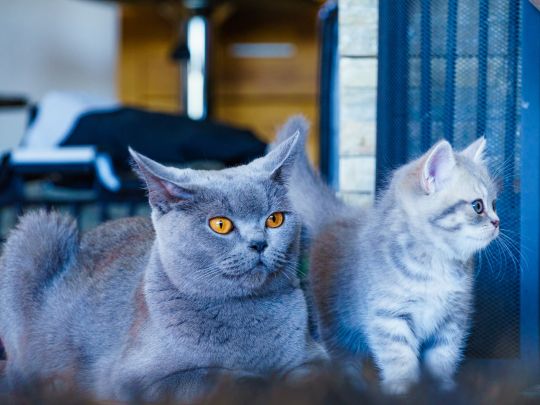
Cats are naturally meticulous groomers. As they lick their coats, loose hairs can be swallowed and pass through the digestive tract. Most of the time, these hairs move through the digestive system and leave the body in the stool. However, some hair can collect in the stomach and form a hairball, which cats may eventually vomit.
Diet can play a helpful role in managing how much swallowed hair moves through the digestive tract. Choosing appropriate foods, maintaining hydration, and supporting healthy digestion may help reduce the frequency of hairballs in some cats. If your cat develops frequent hairballs or changes in appetite, bowel movements, or behavior, talking with a vet in Buffalo can help determine whether an underlying health issue is contributing to the problem.
How Does Food Affect Hairballs in Cats?
A cat’s diet can influence digestive health, stool quality, hydration, and the movement of swallowed hair through the gastrointestinal tract. Foods containing appropriate amounts of dietary fiber may help move hair through the digestive system instead of allowing it to accumulate in the stomach.
However, there is no single food that completely prevents hairballs. Every cat has different nutritional needs based on age, weight, activity level, coat type, and overall health. A diet that works well for one cat may not be appropriate for another.
When selecting food, focus on balanced nutrition rather than simply choosing a product marketed as a hairball remedy.
1. High-Fiber Cat Food May Help Move Swallowed Hair
One of the most common dietary approaches to hairball management is increasing appropriate dietary fiber. Certain hairball-formulated cat foods contain blends of soluble and insoluble fibers designed to support normal gastrointestinal movement.
Fiber may help move swallowed hair through the digestive tract so it can be passed in the stool. Some cats may benefit from a diet specifically formulated for hairball management, particularly those with long coats or frequent grooming habits.
Before switching foods, discuss the change with your veterinarian. A gradual transition can help reduce digestive upset.
2. Wet Cat Food Can Support Better Hydration
Adequate hydration is important for healthy digestion. Wet cat food contains considerably more moisture than dry food, making it one option for increasing a cat’s daily water intake.
Good hydration may help support normal digestion and stool consistency. Cats that do not drink much water on their own may benefit from having wet food incorporated into their diet.
You can also encourage water consumption by providing multiple clean water bowls or using a pet water fountain if your cat prefers moving water.
3. Cat Foods With Quality Protein Support Overall Health
Cats are obligate carnivores and require nutrients found in animal-based foods. A complete and balanced cat food with appropriate animal protein can support healthy muscles, body condition, skin, and coat.
A healthy coat may also mean less loose hair is available to be swallowed during grooming. While protein-rich food does not directly eliminate hairballs, maintaining good nutritional status supports your cat’s overall health.
When choosing a food, look for one that is complete and balanced for your cat’s life stage rather than focusing only on a single ingredient.
4. Hairball-Control Diets May Contain Specialized Fiber Blends
Some commercial diets are specifically formulated for cats prone to hairballs. These products may contain increased or specialized fiber blends intended to help move swallowed hair through the digestive tract.
Hairball-control diets can be useful for some cats, but they are not automatically the best choice for every feline. Your cat’s weight, age, medical history, activity level, and other nutritional needs should be considered before making a long-term dietary change.
If you are unsure which option is appropriate, a veterinary hospital can help you evaluate your cat’s nutritional needs and overall health.
5. Small Amounts of Pumpkin May Provide Additional Fiber
Plain pumpkin is sometimes used as a source of dietary fiber for cats. However, it should only be offered in small amounts and should never replace a complete and balanced diet.
If you are considering pumpkin or another fiber supplement, speak with your veterinarian first. Too much fiber can cause digestive changes, including loose stool or constipation, depending on the individual cat.
Avoid pumpkin products containing added sugar, spices, artificial sweeteners, or other ingredients that may be inappropriate for cats.
6. Treats Should Complement, Not Replace, a Balanced Diet
Treats can be part of a cat’s routine, but excessive treats can contribute unnecessary calories and interfere with nutritional balance. Maintaining a healthy weight is important because obesity can affect overall health and mobility.
Choose treats made specifically for cats and provide them in moderation. If your cat already eats a specially formulated diet, ask your veterinarian whether certain treats are appropriate.
Grooming Is Just as Important as Diet
Food is only one part of managing hairballs. Regular grooming can reduce the amount of loose hair your cat can swallow.
Long-haired cats often benefit from more frequent brushing, but short-haired cats can also benefit from routine grooming. Brushing removes loose fur before your cat has an opportunity to ingest it.
The right grooming routine depends on your cat’s coat type. Long-haired cats may need daily brushing, while some short-haired cats may require less frequent grooming.
Regular grooming also gives you an opportunity to notice changes in your cat’s skin, coat, lumps, or other physical abnormalities.
When Should You Talk With a Vet in Buffalo?
Occasional hairballs can occur in otherwise healthy cats. However, frequent or repeated hairball-related vomiting deserves attention, particularly when it is accompanied by other changes.
Contact a vet in Buffalo if you notice:
- Repeated vomiting or retching
- Loss of appetite
- Weight loss
- Constipation or significant changes in bowel movements
- Persistent coughing or gagging
- Low energy
- Changes in drinking habits
- A noticeable change in grooming behavior
These signs may not always be caused by hairballs. Gastrointestinal disorders, dietary problems, parasites, respiratory conditions, and other health concerns can sometimes produce similar symptoms.
A veterinary examination can help determine whether additional testing is appropriate. Depending on the symptoms, pet diagnostic care may include blood testing, fecal testing, X-rays, ultrasound, or other evaluations. Ellicott Street Animal Hospital provides in-house testing for blood, urine, fecal, skin, and ear samples, as well as digital X-rays and ultrasound services.
How to Choose the Right Food for Your Cat
Instead of looking for one “best” food for hairballs, consider your cat’s complete nutritional needs.
When evaluating a diet, consider:
- Your cat’s age and life stage
- Body weight and activity level
- Coat length and grooming habits
- Existing health conditions
- Food sensitivities
- Water intake
- Stool quality
- Frequency of hairballs
Your veterinarian can help you determine whether a standard complete and balanced diet, a higher-fiber formula, a wet-food diet, or another nutritional approach makes sense for your cat.
If you are searching for an animal hospital near you, choosing a veterinary team that can evaluate both nutrition and underlying health concerns can make dietary decisions easier.
Final Thoughts on Reducing Cat Hairballs
Hairballs are a common part of feline grooming, but frequent hairballs should not simply be accepted as normal. A balanced diet, adequate hydration, appropriate fiber, regular grooming, and maintaining a healthy weight can all support your cat’s digestive and overall health.
Remember that dietary changes should be made gradually and with your cat’s individual needs in mind. If hairballs are becoming more frequent or your cat is showing other changes, professional evaluation can help identify the underlying cause.
At Ellicott Street Animal Hospital, pet owners in Buffalo can access veterinary examinations and diagnostic services designed to identify health concerns and support long-term wellness. If you have questions about your cat’s diet, digestion, or recurring hairballs, schedule an appointment with our animal hospital for guidance based on your cat’s individual needs.
FAQs
1. What type of food is best for cats prone to hairballs?
Ans: A complete and balanced diet with appropriate fiber may help some cats pass swallowed hair more effectively. Hairball-control formulas are another option, but the best choice depends on your cat’s individual nutritional and health needs.
2. Does wet food help prevent hairballs?
Ans: Wet food can increase your cat’s water intake and support hydration, which is important for normal digestion. However, wet food alone does not guarantee that a cat will stop developing hairballs.
3. Can pumpkin help my cat with hairballs?
Ans: Plain pumpkin provides dietary fiber and may support normal digestion in small amounts. However, it should not replace a balanced cat food, and you should ask your veterinarian before adding it to your cat’s diet.
4. How can I reduce the amount of hair my cat swallows?
Ans: Regular brushing can remove loose fur before your cat swallows it during grooming. The appropriate grooming frequency depends on your cat’s coat type and length.
5. Are frequent hairballs normal for cats?
Ans: Occasional hairballs can occur, but frequent vomiting or repeated hairball episodes should be discussed with a veterinarian. Other gastrointestinal or health conditions can sometimes cause similar symptoms.
6. When should my cat see a veterinarian for hairballs?
Ans: Schedule a veterinary evaluation if hairballs become frequent or are accompanied by appetite changes, weight loss, constipation, repeated vomiting, lethargy, or other unusual symptoms. A veterinarian can determine whether further pet diagnostic care is appropriate.