$50 Off First Visit for New Clients

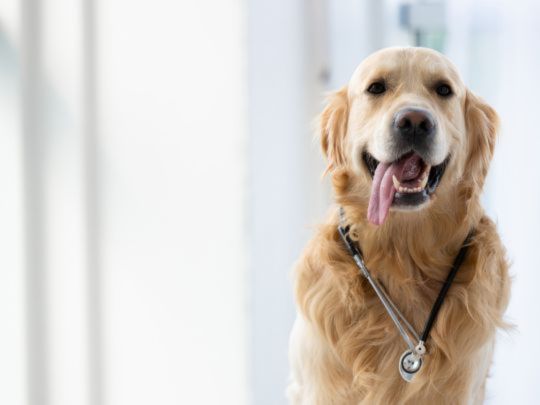
As dogs grow older, their nutritional needs can change. Many pet owners in Buffalo notice changes such as decreased activity levels, weight gain, reduced appetite, or difficulty maintaining muscle mass. Understanding these changes can help you provide better support during your dog’s later years. At Ellicott Street Animal Hospital, we help families understand the role of nutrition, wellness monitoring, and senior pet care in maintaining older dogs’ comfort and quality of life.
Aging does not affect every dog in the same way. Some senior dogs need fewer calories because they become less active, while others may need support to maintain a healthy body weight and muscle mass. A balanced approach to food, exercise, and veterinary checkups can help address these changing needs.
How Does Nutrition Change as Dogs Get Older?
Senior dogs often experience changes in metabolism, muscle mass, digestion, and activity levels. A diet that worked well during adulthood may no longer provide the right balance as your dog ages.
A proper nutrition plan for an older dog usually focuses on:
- Maintaining a healthy body weight
- Supporting muscle strength
- Providing easily digestible nutrients
- Supporting joint comfort and mobility
- Meeting changing energy requirements
Senior dogs may require careful calorie management because reduced activity can increase the risk of weight gain. However, restricting food without guidance may not be appropriate for every dog, especially those losing weight or muscle. Each pet’s nutritional needs should be evaluated individually.
Signs Your Senior Dog May Need Nutrition Changes
Changes in your dog’s body condition can happen slowly, making them easy to overlook. Pet owners should watch for signs that their dog’s current diet may no longer meet their needs.
Common changes include:
- Gradual weight gain or unexpected weight loss
- Reduced interest in daily activities
- Loss of muscle around the hips or shoulders
- Changes in appetite
- Difficulty chewing dry food
- Digestive changes such as loose stool or constipation
- Increased fatigue during walks
These signs do not always mean nutrition is the only cause. Dental problems, metabolic conditions, pain, and other health concerns may also affect appetite, weight, and energy levels. A veterinary examination can help identify possible causes.
Choosing the Right Diet for an Aging Dog
When considering senior dog nutrition, focus should be placed on the overall balance of the diet rather than simply switching foods because of age.
Important nutritional factors may include:
Appropriate Protein Levels
Older dogs need adequate protein to help maintain lean muscle. Some pet owners worry that senior dogs should automatically receive less protein, but protein needs depend on the individual dog’s health, activity, and medical history.
Controlled Calories
Senior dogs with lower activity levels may need fewer calories to prevent excess weight gain. Portion size, treats, and daily activity should all be considered when managing weight.
Joint and Mobility Support
Many aging dogs experience changes in mobility. Nutrients such as omega-3 fatty acids and other supportive ingredients may be included in some diets to support joint health. However, supplements should be discussed with a veterinarian before adding them to your dog’s routine.
Digestive Support
Older dogs may have more sensitive digestive systems. A diet that supports healthy digestion and provides essential nutrients can help maintain overall wellness.
How Weight Management Supports Healthy Aging
Maintaining a healthy weight is an important part of senior pet care because excess weight can place additional stress on joints and affect mobility. On the other hand, unexplained weight loss may signal an underlying health concern that requires attention.
Simple steps that may help include:
- Measuring meals instead of estimating portions
- Limiting unnecessary treats
- Encouraging safe daily movement
- Monitoring body condition regularly
- Scheduling routine wellness visits
Regular evaluations allow veterinarians to track weight changes, discuss feeding habits, and identify concerns before they become more difficult to manage.
Veterinary Support for Senior Dog Nutrition and Wellness
Nutrition is only one part of helping an older dog age comfortably. Veterinary visits allow your pet’s overall health to be monitored through physical examinations, weight checks, dental evaluations, and discussions about behavior or lifestyle changes.
For Buffalo pet owners looking for guidance, senior dog nutrition should be considered alongside preventive health care, activity levels, and any existing medical conditions. A veterinarian can help determine whether your dog needs a diet adjustment, additional testing, or changes in daily care.
If you notice changes in appetite, weight, mobility, or energy, Contact our animal hospital now to discuss your dog’s health needs and receive guidance based on their individual condition.
When Should You Schedule a Veterinary Visit?
Some changes in an older dog can be monitored at home, such as minor changes in activity that improve with rest. However, a veterinary examination is recommended when you notice:
- Sudden weight changes
- Refusing food for an extended period
- Significant decrease in energy
- Difficulty standing or walking
- Persistent vomiting or diarrhea
- Changes in drinking or urination habits
Prompt attention can help identify concerns early and support your dog’s comfort as they continue aging.
Supporting Your Senior Dog’s Health Through Every Life Stage
Caring for an older dog involves more than choosing a different food. Regular monitoring, balanced nutrition, appropriate exercise, and veterinary guidance all play important roles in maintaining wellness.
At Ellicott Street Animal Hospital, our team supports families throughout Buffalo and nearby areas with guidance focused on nutrition, wellness, and senior pet care. Schedule a visit today to discuss your dog’s changing needs and learn how senior dog nutrition can support healthy aging and weight management.
Frequently Asked Questions
1. What is the best food for a senior dog?
Ans: The right food depends on your dog’s age, weight, activity level, and health condition. A veterinarian can help determine whether your dog needs a specific diet change or nutritional adjustment.
2. How can I help my older dog maintain a healthy weight?
Ans: You can help by measuring meals, controlling treats, encouraging safe activity, and monitoring body condition. Regular veterinary checkups can also help track weight changes.
3. When should I change my dog’s diet as they get older?
Ans: There is no single age when every dog needs a diet change. Dogs age differently based on breed, size, and health status. Discussing nutrition during wellness visits can help determine the right timing.
4. How can Ellicott Street Animal Hospital help with my senior dog’s nutrition?
Ans: Ellicott Street Animal Hospital provides guidance for older dogs through wellness evaluations, weight monitoring, and discussions about nutrition and lifestyle changes.
5. Can weight loss in an older dog be a sign of a health problem?
Ans: Unexpected weight loss may be linked to different health concerns, including dental issues, digestive problems, or other medical conditions. A veterinary examination can help determine the possible cause.
6. Why are regular visits important for senior dogs?
Ans: Routine examinations allow veterinarians to monitor changes in weight, mobility, appetite, and overall health. Ellicott Street Animal Hospital helps pet owners create a proactive care approach for aging dogs.