$50 Off First Visit for New Clients

Annual diagnostic tests are vital for your pet’s long-term health. They help veterinarians detect diseases early, monitor organ function, and track changes before symptoms appear. In this guide, we’ll explore the top five diagnostic tests every pet should have each year, what they reveal, and why regular health screenings are the foundation of preventive pet care.
Why Annual Pet Diagnostic Tests Matter
Regular vet visits aren’t just about vaccines — they’re your pet’s best defense against silent health problems. Many conditions, like kidney disease or diabetes, develop gradually and can go unnoticed until it’s too late.
Annual pet diagnostic tests allow veterinarians to:
- Detect early-stage illnesses.
- Establish a baseline for future comparison.
- Tailor preventive care for your pet’s age and lifestyle.
- Improve longevity and overall well-being.
Even if your pet seems perfectly healthy, yearly diagnostic screenings ensure nothing is hiding beneath the surface.
1. Complete Blood Count (CBC): Your Pet’s Health Snapshot
A Complete Blood Count (CBC) evaluates red and white blood cells and platelets — key indicators of your pet’s immune health, oxygen levels, and overall vitality.
What It Detects:
- Anemia (low red blood cells)
- Infections or inflammation
- Immune system disorders
- Blood clotting issues
This test helps veterinarians assess your pet’s overall wellness and detect subtle changes that could indicate disease.
2. Blood Chemistry Panel: Checking Organ Function
The blood chemistry panel provides a detailed look at how well your pet’s organs — including the liver, kidneys, and pancreas — are functioning.
Why It’s Important:
- Identifies early signs of kidney or liver disease.
- Detects diabetes, electrolyte imbalances, or thyroid issues.
- Helps guide safe use of medications and anesthesia.
Routine testing helps your vet catch issues early, especially for senior pets or breeds predisposed to certain health problems.
3. Urinalysis: Insight into Hidden Problems
A urinalysis is one of the simplest yet most revealing pet diagnostic tests. It evaluates your pet’s kidney function, hydration status, and potential urinary tract infections.
Common Findings:
- Crystals or stones in the bladder
- Protein or sugar in the urine (signs of kidney disease or diabetes)
- Infections or inflammation in the urinary tract
Urinalysis is often paired with bloodwork to give a complete picture of your pet’s internal health.
4. Fecal Exam: Detecting Parasites and Digestive Issues
Parasites can affect pets year-round, even if they spend most of their time indoors. A fecal exam screens for intestinal parasites like roundworms, hookworms, and Giardia.
Why It Matters:
- Prevents parasitic infections that can spread to humans.
- Protects your pet from nutrient deficiencies and digestive upset.
- Ensures your pet’s deworming plan is working effectively.
Veterinarians recommend performing a fecal test at least once a year — and more often for pets who spend time outdoors or in daycare.
5. Heartworm and Tick-Borne Disease Testing
Even if your pet is on prevention, annual heartworm testing is essential. Ticks and mosquitoes can transmit dangerous diseases that progress silently.
Tests Include:
- Heartworm antigen test
- Screening for Lyme disease, Ehrlichiosis, and Anaplasmosis
These infections can cause severe organ damage if undetected. Regular screening helps maintain protection and ensures your pet’s preventive medications remain effective.
Bonus: Imaging and Dental X-Rays
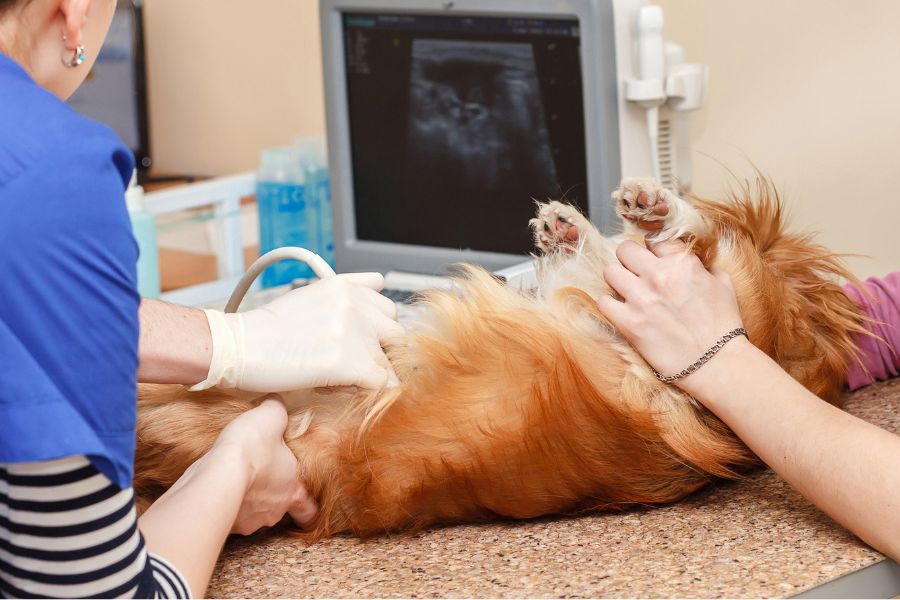
While not required for every pet annually, X-rays or ultrasounds can be recommended based on your pet’s age or symptoms. Dental X-rays, in particular, reveal hidden problems below the gumline that visual exams can miss.
Early detection through imaging can uncover conditions like arthritis, tumors, or dental disease long before they cause discomfort.
How to Prepare for Your Pet’s Annual Health Screening
Before your pet’s annual vet checkup, keep a list of any behavior changes, appetite issues, or energy shifts. These small clues can help your veterinarian choose the most relevant diagnostic tests.
Tips for a Smooth Visit:
- Bring a fresh urine or stool sample if requested.
- Note any changes in eating, drinking, or mobility.
- Ask about age-appropriate panels for senior pets.
- Keep your vaccination and medication records updated.
Preventive Pet Care: The Key to a Longer, Healthier Life
Routine veterinary diagnostic care in Buffalo does more than identify diseases — it supports early intervention and ensures your furry friend enjoys many active, healthy years.
The Benefits of Regular Testing:
- Reduces emergency visits.
- Improves treatment success rates.
- Supports personalized nutrition and wellness plans.
Prevention is always better (and more affordable) than treatment — and your vet is your partner in achieving lifelong health for your pet.
Keeping up with annual diagnostic testing is one of the most effective ways to protect your pet’s health. From bloodwork to heartworm screening, each test plays a vital role in early detection and prevention.
Suppose you are conveniently located in Buffalo and searching for the best pet diagnostic care near me. In that case, Ellicott Street Animal Hospital is the right choice for compassionate, advanced, and reliable care.
FAQs
Q1: How often should my pet get diagnostic tests?
Ans: Most pets should have comprehensive diagnostic testing once a year, though senior pets or those with chronic conditions may need it more frequently.
Q2: Are annual vet checkups really necessary for indoor pets?
Ans: Yes — even indoor pets can develop hidden health problems. Annual checkups ensure early detection and prevention of diseases.
Q3: What is included in a routine veterinary test panel?
Ans: Typically, it includes a CBC, chemistry panel, urinalysis, fecal exam, and heartworm/tick test, depending on your pet’s risk factors.
Q4: How long do pet diagnostic results take?
Ans: Basic results like bloodwork are often available within 24 hours, while some tests may take a few days.
Q5: Do pets need to fast before diagnostic testing?
Ans: Yes, fasting for 8–12 hours before blood tests helps ensure accurate readings, unless your vet advises otherwise.