$50 Off First Visit for New Clients

When your furry friend leans in for a cuddle, that whiff of bad breath might seem harmless—a simple side effect of their latest snack or adventure. Yet, persistent foul breath, especially in dogs and cats, can reveal much deeper troubles lurking beneath. Understanding the link between bad breath and overall pet health is vital, and modern pet dentistry Buffalo experts can guide you in safeguarding your pet’s well-being.
Bad Breath: A Red Flag, Not Just an Inconvenience
Many pet owners brush off “dog breath” or “fishy cat breath,” thinking it’s just part of pet ownership. However, bad breath—known medically as halitosis—often acts as a warning sign for oral disease, infection, or even systemic health issues. Beyond a mere odor, it’s your pet’s way of signaling that something isn’t quite right.
Surface Clues: How Dental Disease Begins
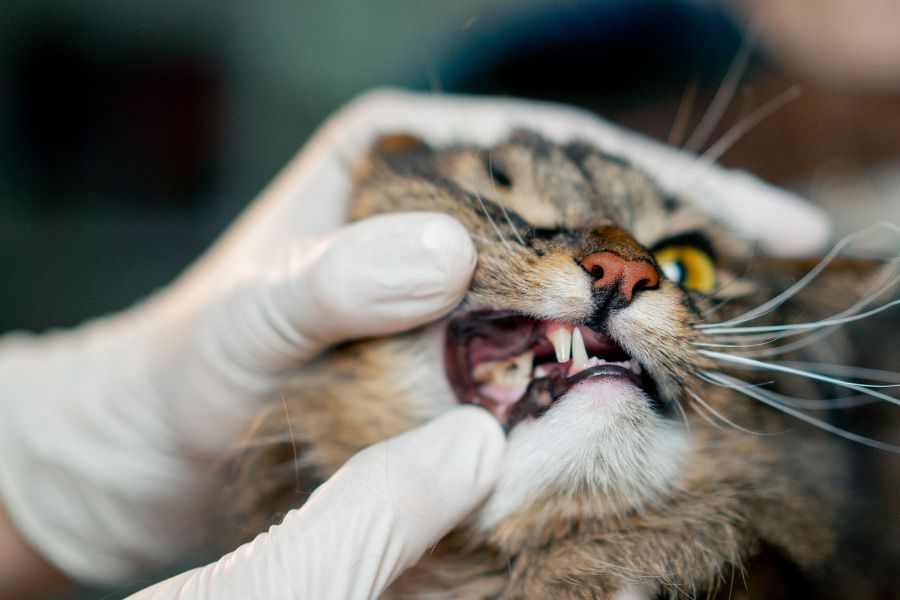
At first, bad breath may stem from leftover food debris and bacterial plaque in your pet’s mouth. This sticky film quickly turns into tartar, irritating gums and inviting even more bacteria. From minor gum inflammation (gingivitis) to advanced periodontal disease, oral bacterial invasion can cause pain, tooth loss, or even jaw fractures if ignored.
Routine checkups and professional cleanings offered by pet dentistry Buffalo clinics reduce the risk of these complications by targeting disease before it progresses.
Beyond Teeth: When Breath Signals Serious Trouble
Sometimes, bad breath points to more than just tooth trouble. Systemic illnesses like kidney disease, liver dysfunction, and diabetes can produce distinctive, persistent odors in pets’ breath. For example:
- Sweet, fruity breath: could indicate uncontrolled diabetes.
- Urine-like scent: may signal kidney issues.
- Overwhelmingly foul smell: might accompany liver disease, especially if vomiting or diarrhea are present.
If your pet’s breath suddenly changes in intensity or character, veterinary attention is essential. Trained pet dentistry Buffalo teams can collaborate with medical veterinarians to uncover the root cause and provide effective treatment.
All About Prevention: Protecting Your Pet From Dental Disease
While plaque and tartar build-up are the most common causes of pet bad breath, you can take simple, strategic steps at home and through your local clinic:
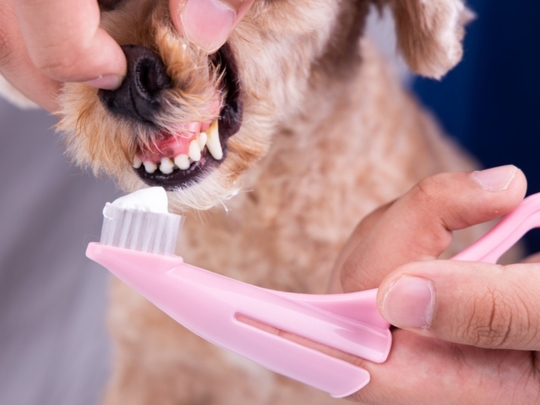
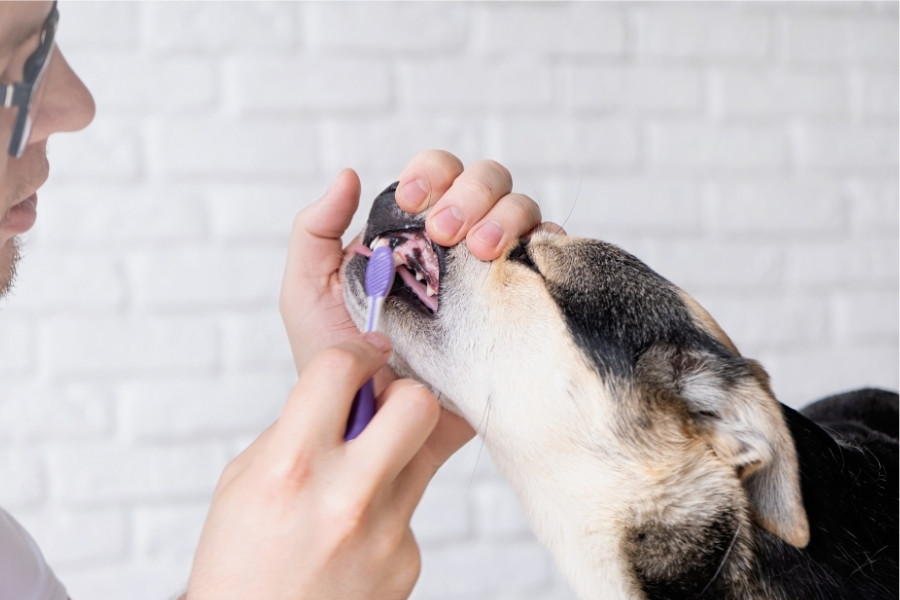
- Brush your pet’s teeth regularly with vet-approved toothpaste (never use human toothpaste).
- Schedule annual or twice-yearly dental exams with local Buffalo clinics.
- Choose chew toys or dental treats recommended by your vet.
- Monitor changes in breath, drooling, eating habits, or gum color.
Prompt action helps prevent not only bad breath but also bacterial spread, which can affect your pet’s heart, kidneys, and other organs over time.
When to Seek Professional Help: Is It Time for Pet Dentistry Buffalo?
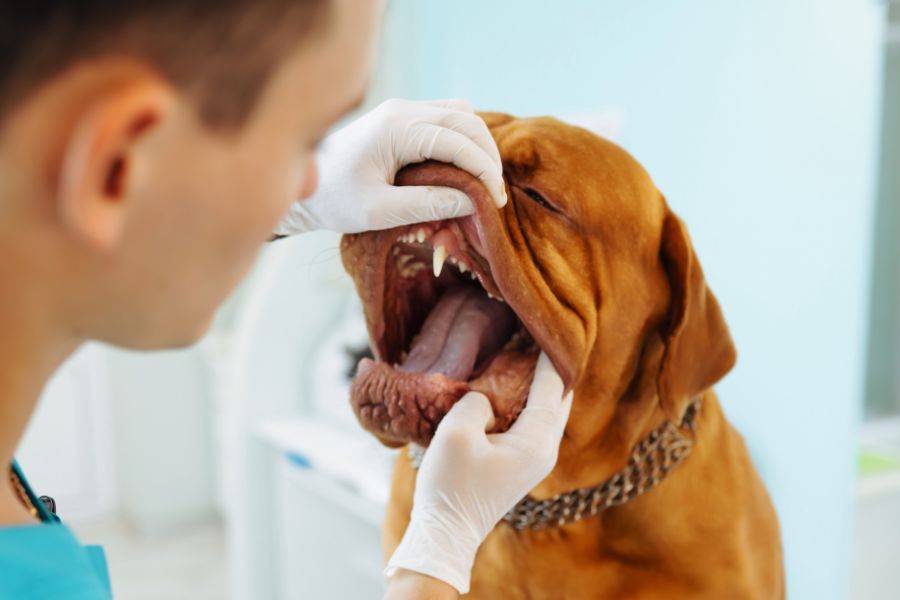
If home care isn’t enough, or you notice other symptoms like lethargy, appetite loss, bleeding gums, or loose teeth, it’s time for expert intervention. Buffalo is home to highly trained pet dental experts who provide exams, cleanings, root canals, and surgical care for advanced cases. Early detection and treatment make all the difference in restoring your pet’s health and happiness.
FAQs About Bad Breath and Pet Dental Disease
Q1. What’s the most common cause of bad breath in pets?
Ans. Persistent bad breath is usually caused by dental disease, especially the buildup of bacterial plaque and tartar.
Q2. Can bad breath indicate something other than an oral problem?
Ans. Yes! Kidney disease, liver problems, diabetes, and even foreign objects stuck in the mouth can change breath odor significantly.
Q3. How often should my pet get dental checkups?
Ans. Most pets benefit from a dental exam annually. High-risk breeds or older animals may need more frequent evaluations.
Q4. Do I need a referral for pet dentistry Buffalo experts?
Ans. Some clinics require a primary veterinary referral for advanced care. Routine cleanings and exams may be available directly.
Q5. Can diet impact my pet’s breath?
Ans. Absolutely! Certain foods, scavenging behaviors, or poor dietary choices can worsen breath, but underlying dental issues are often the real cause.
Q6. Are dental treats and toys enough to prevent dental disease?
Ans. Dental chews help, but they’re not a replacement for brushing and professional cleanings. Ask your Buffalo vet for recommendations tailored to your pet’s needs.