$50 Off First Visit for New Clients

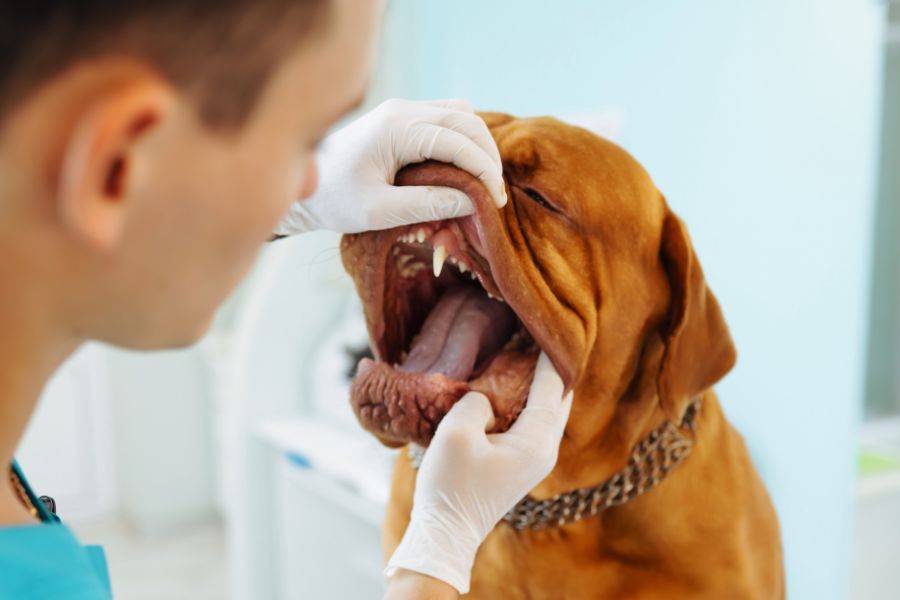
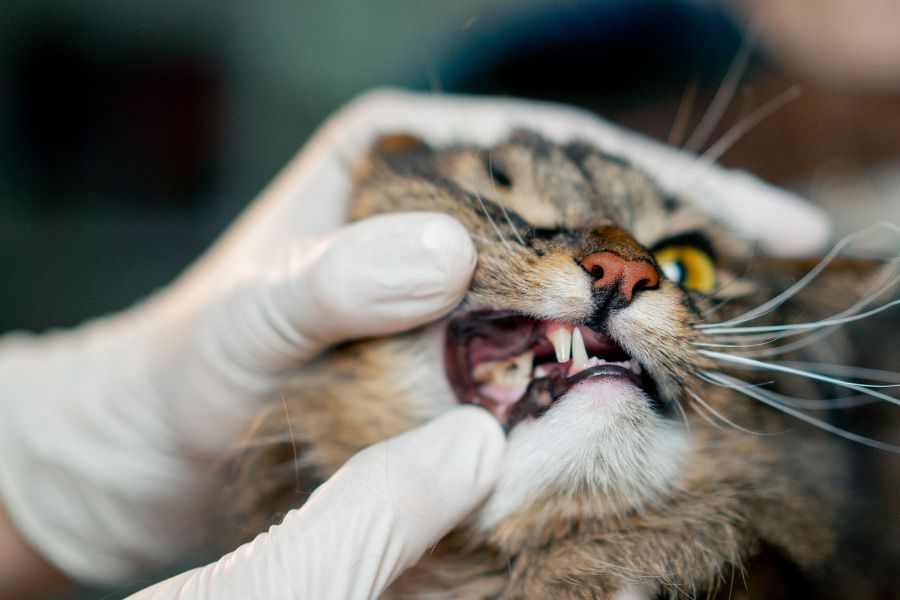
Bad breath and yellow teeth may seem harmless, but they can signal serious dental problems in your pet. Regular dental cleanings are essential for preventing gum disease, tooth loss, and infections. In this guide, we’ll explore the top 5 signs your pet may need professional dental cleaning, what to watch for at home, and why timely veterinary dentistry is key to your pet’s long-term health.
1. Persistent Bad Breath in Pets
If your pet’s breath smells foul, it’s more than just unpleasant—it’s often the first sign of dental disease.
Bacteria buildup from plaque and tartar leads to bad breath (halitosis), gum irritation, and infection. While mints or dental treats may help temporarily, only professional pet dental cleaning removes deep tartar and bacteria below the gumline.
Common causes of bad breath include:
- Periodontal disease
- Oral infections or abscesses
- Decaying teeth
- Digestive or kidney issues (in advanced cases)
If bad breath persists despite brushing or diet changes, it’s time for a veterinary dental exam.
2. Yellow or Brown Teeth and Visible Tartar
A healthy pet’s teeth should be clean and white. When plaque hardens into tartar, you’ll notice yellow or brown discoloration, especially near the gumline.
Left untreated, tartar can cause gingivitis (gum inflammation) and later lead to tooth loss.
At-home care helps, but:
- Brushing removes only surface plaque.
- Hard tartar requires ultrasonic scaling performed by a veterinary team.
- Annual dental checkups detect buildup before it causes pain or infection.
Professional veterinary teeth cleaning in Buffalo ensures your pet’s mouth stays healthy and free of decay.
3. Difficulty Eating or Chewing
If your pet suddenly avoids hard food, drops kibble, or chews on one side of the mouth, it could indicate dental discomfort.
Painful teeth, gum swelling, or oral sores can make eating difficult and reduce appetite. Cats may groom less frequently, while dogs might refuse toys they once loved.
Watch for:
- Pawing at the mouth
- Drooling or blood-tinged saliva
- Weight loss or irritability
These behaviors often point to tooth pain or infection, requiring immediate dental care to relieve discomfort and restore normal eating habits.
4. Red, Swollen, or Bleeding Gums
Healthy gums are pink and firm. If you notice red, puffy, or bleeding gums, your pet could be developing gingivitis or periodontal disease.
This inflammation results from bacteria attacking the gum tissue, and if untreated, it can spread to tooth roots and even the bloodstream.
Signs of gum disease include:
- Bleeding during brushing or chewing
- Gum recession
- Persistent drooling
- Sensitivity when touching the face
Veterinarians use professional pet dentistry tools to remove plaque and assess gum health, preventing further progression to painful or systemic infections.
5. Loose, Broken, or Missing Teeth
Tooth loss is not normal in adult pets—it’s a warning sign of advanced dental disease.
When infection erodes tooth-supporting structures, teeth loosen or break. Your vet may recommend extraction or deep cleaning to protect the surrounding tissue and prevent more serious complications.
Why this matters:
Untreated dental disease can lead to:
- Chronic pain
- Bone loss in the jaw
- Bacteria entering the bloodstream, affecting the heart, liver, and kidneys
Early professional dental cleaning helps preserve your pet’s natural teeth and prevents costly procedures later.
The Importance of Regular Veterinary Dental Exams
Routine exams and cleanings are the best way to prevent dental disease before it starts. Veterinarians use ultrasonic scaling, polishing, and dental X-rays to clean above and below the gumline—something home brushing can’t achieve.
How often should you schedule a cleaning?
- Once a year for most pets
- Every 6 months for small breeds or pets with prior dental issues
Regular pet dental cleaning also allows early detection of problems like oral tumors, infections, or fractured teeth.
Home Care Tips Between Professional Cleanings
Maintaining your pet’s oral hygiene between vet visits helps extend the benefits of professional cleaning.
Tips for better dental health:
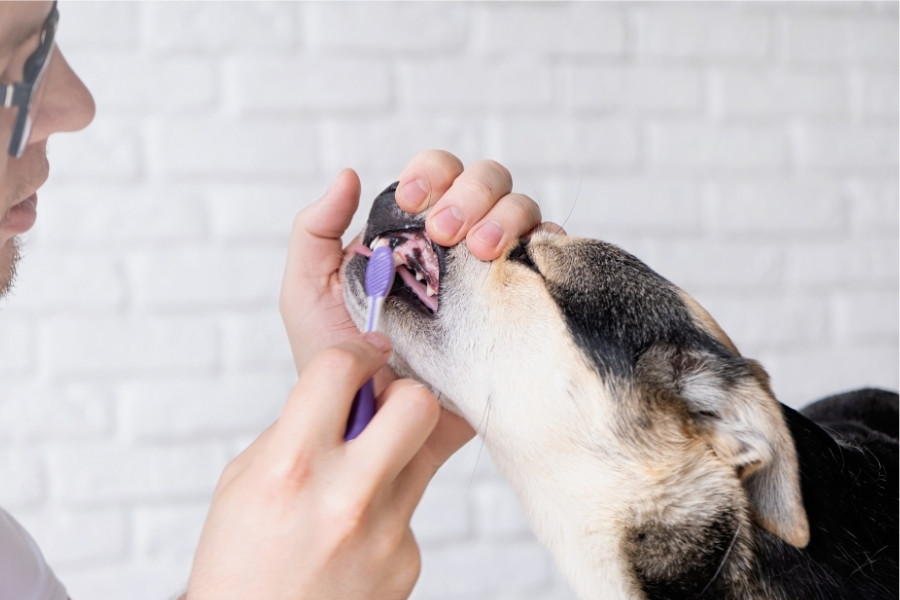
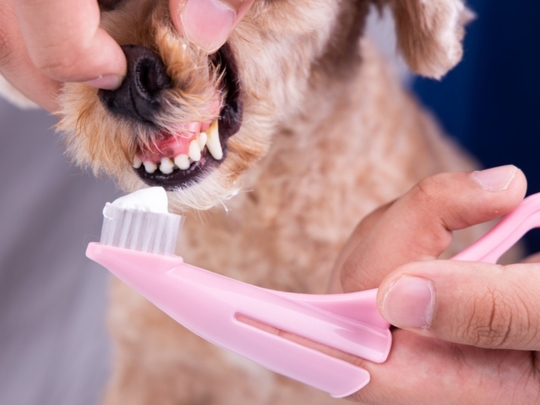
- Brush your pet’s teeth daily with vet-approved toothpaste.
- Use dental chews or water additives to reduce plaque buildup.
- Provide chew toys that promote healthy gums.
- Feed a balanced diet to support oral wellness.
- Schedule annual dental checkups at your vet clinic.
By combining at-home care with professional pet dentistry, you can keep your pet’s smile clean and their breath fresh all year long.
Dental disease is one of the most common yet preventable health issues in pets. If you notice bad breath, gum bleeding, or trouble chewing, your pet may need a professional dental cleaning.
If you are conveniently located in Buffalo and searching for the best pet dentistry near me, Ellicott Street Animal Hospital is the right choice for compassionate, advanced, and reliable care.
FAQs
Q1: How often should my pet have professional dental cleaning?
Ans: Most pets need dental cleaning once a year, but small breeds or pets with dental issues may require it every six months.
Q2: Is anesthesia necessary for pet dental cleanings?
Ans: Yes. Anesthesia ensures your pet remains still and pain-free while the veterinarian cleans below the gumline safely.
Q3: Can I clean my pet’s teeth at home instead of visiting the vet?
Ans: Home brushing helps maintain oral hygiene, but only professional cleanings can remove hardened tartar and check for hidden dental problems.
Q4: What causes bad breath in pets even after brushing?
Ans: Persistent bad breath may indicate gum disease, tooth decay, or infection. Veterinary evaluation is recommended to identify the cause.
Q5: Are dental problems painful for pets?
Ans: Absolutely. Pets often hide discomfort, but dental disease can cause chronic pain, difficulty eating, and serious health risks if untreated.