$50 Off First Visit for New Clients

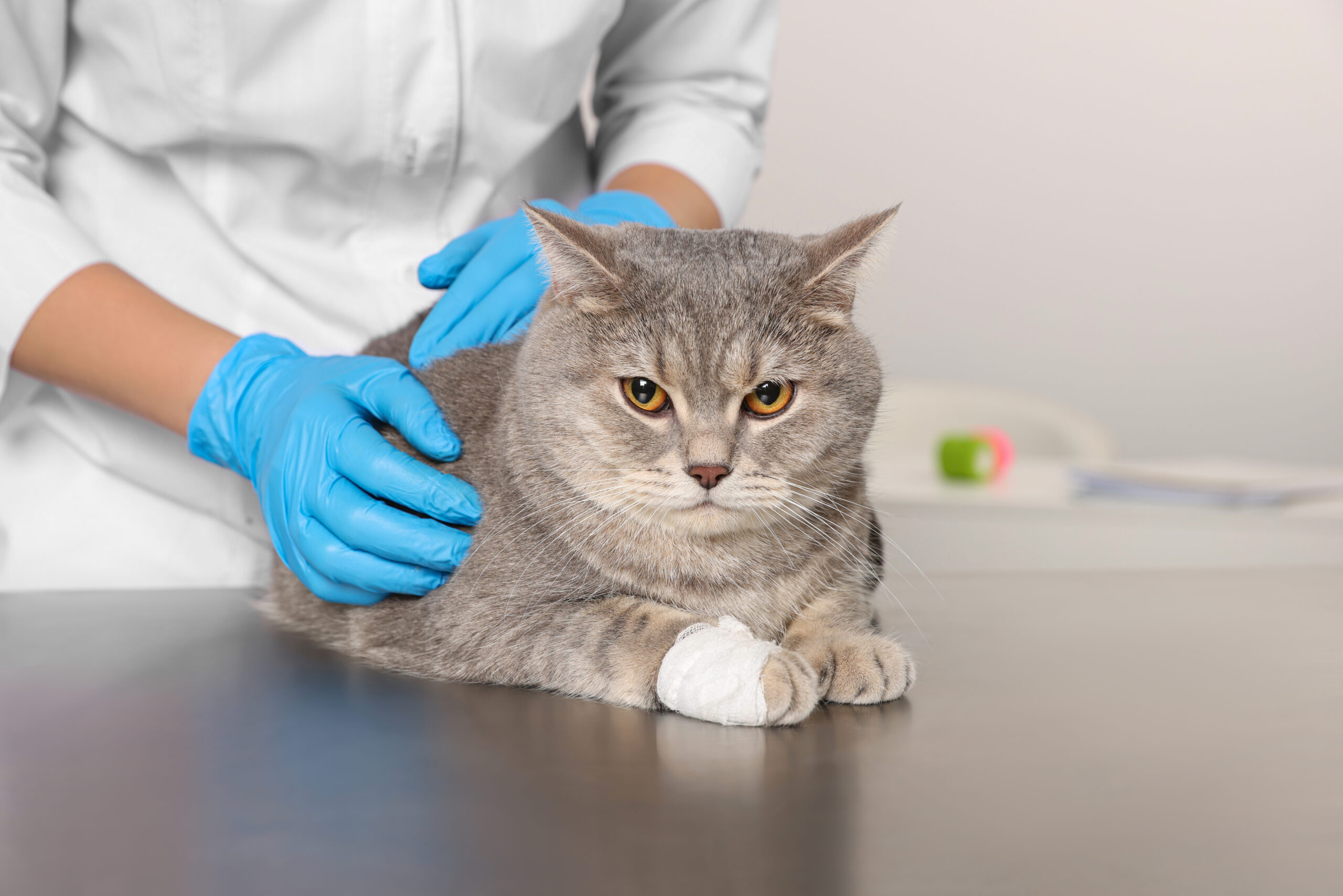
Your cat is curled up on the couch, and suddenly her sides are rising and falling faster than normal. Cat breathing fast can be alarming, especially with no obvious activity beforehand. Some fast breathing follows exercise, excitement, or a stressful carrier ride, and it settles within a few minutes. Other times, quick, shallow breaths signal something serious happening inside the chest or airways.
Cats are experts at hiding discomfort, so a change in breathing is often the first visible clue something is wrong. Understanding what counts as normal, what warrants a closer look, and what needs prompt veterinary care helps you respond calmly. This guide walks through the signs, common causes, and the steps vets take to figure out what’s going on. That way, you know exactly what to watch for, how urgent it might be, and when to act.
What Counts as Fast Breathing in a Cat?
Fast breathing in cats usually means more breaths per minute than normal, often paired with visible chest or belly movement. A healthy cat at rest typically breathes between 20 and 30 times per minute, and anything consistently higher than that deserves a closer look.
Short bursts of quick breathing after play or a scare are usually harmless. Breathing that stays rapid while your cat is resting is not. Counting breaths for 30 seconds and doubling the number gives you a quick, reliable read at home.
In our experience, pet owners often mistake this for normal panting, since dogs pant so commonly. Panting in cats is far less routine. Outside of heat stress or brief excitement, it can point to pain or anxiety. It may also signal a problem with the heart, lungs, or airway. Rapid breathing in cats is worth timing and watching rather than dismissing, especially if it lingers well past whatever triggered it.
Signs That Go Beyond Quick Breaths
Cat trouble breathing rarely shows up as fast breaths alone. It usually travels with a handful of other changes that, together, paint a clearer picture. Watching for these accompanying signs helps you judge how serious the situation might be.
- Open mouth breathing, since cats rarely breathe this way unless overheated or in distress.
- Flared nostrils or exaggerated belly movement, which suggests your cat is working harder than normal to move air.
- Blue or pale gums, which point to a lack of oxygen and need urgent evaluation.
- Hiding or reluctance to move, since many cats retreat somewhere quiet when they feel unwell.
- Coughing or wheezing alongside fast breaths, which often points to an airway or lung issue.
- A hunched posture with the elbows pulled away from the body, which can mean your cat is trying to make breathing easier.
Pet owners often tell us they assumed their cat was simply excited. Only afterward did they realize several of these signs were present at once. Taking a short video on your phone can help your veterinarian see exactly what the pattern looked like. Cats often calm down the moment they arrive at the clinic, so a video from home is genuinely useful. If you notice any of these signs, contact your veterinarian promptly.
What’s Behind the Rapid Breaths
Several different problems can cause a cat to breathe fast, ranging from mild to serious. Heat, stress, and recent exertion are the most common harmless triggers, especially in kittens and young cats. Pain from an injury or dental issue can also speed up breathing. Even a car ride or an unfamiliar visitor can be enough to temporarily raise the rate. These triggers usually settle on their own once your cat feels calm again.
More serious causes include asthma, fluid around the lungs, heart disease, anemia, and respiratory infections. Cat labored breathing tends to show up more with these deeper issues, especially alongside lethargy or appetite loss. Older cats and certain breeds, like Persians and other flat-faced cats, face a higher risk of breathing problems overall. Extra weight can add to the strain as well, since it makes the chest work harder with every breath.
In Buffalo, NY, seasonal shifts from humid summers to cold, dry winters can aggravate airway sensitivity in cats prone to respiratory issues. Owners in the area sometimes notice symptoms flare during sudden weather changes, particularly in cats with a history of asthma.
How Vets Diagnose and Treat Fast Breathing
A veterinarian typically starts with a physical exam, listening closely to the heart and lungs before further testing. From there, the diagnostic process usually follows a similar pattern depending on what the exam reveals.
- Chest X-rays check for fluid, masses, or lung changes.
- Bloodwork rules out anemia, infection, or organ issues.
- An ultrasound of the heart is used if cardiac disease is suspected.
- Oxygen support is provided right away if your cat is struggling to breathe.
- Additional monitoring may continue for a few hours to see how your cat responds once breathing stabilizes.
In our experience, cats often calm down once they feel safe in a quiet exam room. This can make rapid breathing in cats harder to catch on a first look. Treatment depends entirely on the underlying cause, and may include medication, oxygen therapy, or ongoing management for conditions like asthma or heart disease. Some cats need only a short course of care, while others require long-term monitoring at home. Cats seen at clinics around Buffalo, NY often benefit from having recent breathing episodes recorded on video. It helps the vet see exactly what happened at home.
When It’s Time to Seek Care Right Away
Fast breathing that doesn’t settle within a few minutes means it’s time to get your cat seen without waiting. The same is true if it comes with blue gums, open mouth breathing, or collapse. Breathing changes that persist for more than 15 to 20 minutes at rest should always be checked out, even if your cat seems otherwise alert.
Cat owners searching for vet urgent care in Buffalo often find their way to Ellicott Street Animal Hospital when breathing changes appear out of nowhere. Our team provides pet urgent care for cats showing signs of respiratory distress. We have the diagnostic tools on hand to find out what’s going on quickly. We frequently remind our clients that waiting to see if breathing improves on its own can cost valuable time in heart or lung cases. Call us at 716-852-8276 when your pet needs urgent care, and our staff can help you decide whether to come in right away.
Fast breathing is one of those signals that is easy to brush off and important not to ignore. Cat breathing fast is sometimes harmless, but it can also be the first clue of a problem needing prompt veterinary attention. Watching for accompanying signs, staying calm, and knowing when to call your vet puts you in the best position to help your cat.
Keeping a mental note of your cat’s normal resting rate makes it much easier to spot when something has changed. If you’ve been searching for urgent care vets in Buffalo, NY, the team at Ellicott Street Animal Hospital is ready to help. Book an appointment today.
Frequently Asked Questions
Q1: How many breaths per minute is normal for a cat at rest?
Ans: A healthy cat at rest usually takes between 20 and 30 breaths per minute. Anything consistently higher, especially when your cat is calm and not overheated, is worth watching closely.
Q2: Can stress alone cause a cat to breathe fast?
Ans: Yes, stress, excitement, and travel can all cause short episodes of quick breathing. Cat trouble breathing that resolves within a few minutes and isn’t paired with other symptoms usually isn’t a cause for concern.
Q3: What symptoms mean a cat needs urgent breathing care?
Ans: Open mouth breathing, blue or pale gums, collapse, and breathing that doesn’t slow down within several minutes are all cat breathing symptoms that need prompt veterinary attention. Coughing or wheezing alongside fast breaths also warrants a same-day visit.
Q4: Is labored breathing in cats always a sign of heart disease?
Ans: Not always, since labored breathing can also come from asthma, anemia, infections, or pain. Cat labored breathing still needs veterinary evaluation to pinpoint the exact cause and start the right treatment.
Q5: Should I try home remedies before calling the vet for fast breathing?
Ans: No, home remedies aren’t recommended for cat breathing symptoms since the underlying cause can range from mild stress to a serious heart or lung problem. A veterinarian can quickly determine what’s causing the change and recommend safe next steps.