$50 Off First Visit for New Clients

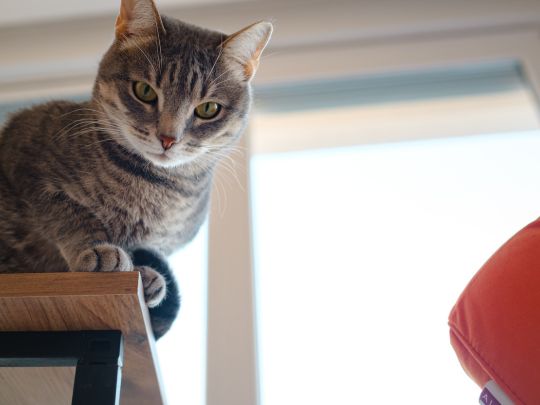
A cat not using the litter box as usual is one of the clearest signals that something may be wrong, and understanding the reason matters more than many pet owners realize. Litter box avoidance can sometimes result from a dirty box, a change in litter, or stress at home. However, it can also be associated with pain, urinary disease, infection, or a blockage that requires prompt veterinary attention. Male cats are particularly vulnerable to urinary obstructions, which can become life-threatening if treatment is delayed. Recognizing the difference between a temporary behavior change and a serious warning sign can help protect your cat’s health. This guide explains common reasons for litter box changes, symptoms that require urgent attention, and what you can expect during a veterinary visit.
What It Means When a Cat Is Not Using the Litter Box
Litter box habits can provide valuable clues about a cat’s physical and emotional health. Because cats often hide signs of discomfort, changes in elimination behavior may be among the first noticeable indications that something has changed.
Why This Behavior Deserves Attention
A sudden change in litter box use should not automatically be considered a behavioral problem. Urinary tract conditions, bladder inflammation, constipation, arthritis, and other health concerns can make using the litter box uncomfortable. Cats may then associate the box with pain and begin avoiding it.
Medical vs. Behavioral Triggers
Cat litter box changes can have both medical and environmental causes. Stress from a new pet, household changes, or conflict between cats may affect normal habits. A box that is difficult to access, too dirty, or located in a noisy area may also discourage use.
Even when a behavioral trigger seems likely, a sudden change deserves careful attention. Identifying a medical cause early can prevent a potentially serious condition from becoming worse.
What Are the First Signs That a Litter Box Problem Is Urgent?
A cat that repeatedly strains to urinate, produces little or no urine, cries while attempting to urinate, or repeatedly enters and leaves the litter box needs prompt veterinary attention. These can be signs of a cat urinary blockage, particularly when they occur in male cats.
Blood in the urine, sudden urination outside the box, excessive licking around the genital area, or noticeable restlessness can also indicate discomfort. If your cat appears weak, vomits, stops eating, or becomes unusually withdrawn along with urinary symptoms, seek immediate veterinary care.
Warning Signs to Watch For
- Straining to urinate with little or no output: may indicate a blockage or another urinary problem.
- Crying or vocalizing while in the litter box: can indicate pain or discomfort.
- Repeated trips to the litter box: frequent unsuccessful attempts should never be ignored.
- Blood in the urine or litter: can be associated with inflammation, infection, or other urinary conditions.
- Urinating outside the litter box: may occur when urination becomes painful.
- Excessive licking of the genital area: can accompany urinary irritation.
- Vomiting, weakness, or loss of appetite: may signal that a urinary problem is becoming more serious.
Why Early Recognition Matters
Cats can become seriously ill when urinary obstruction prevents normal urine flow. Waiting to see whether symptoms disappear can allow the condition to progress. If your cat is repeatedly trying to urinate without producing urine, treat the situation as urgent rather than assuming the behavior will resolve on its own.
What Happens During a Visit for Litter Box Changes
Cat owners across Buffalo may be unsure whether a change in litter box habits requires immediate care. A veterinary visit usually begins with questions about your cat’s recent behavior, urination, appetite, water consumption, and litter box habits.
The Visit Step by Step
- A veterinary team member asks when the litter box changes started and whether your cat is producing normal amounts of urine.
- The veterinarian performs a physical examination and checks the abdomen and bladder for signs of discomfort or obstruction.
- Urinalysis may be recommended to evaluate the urine for blood, inflammation, crystals, or other abnormalities.
- Bloodwork or imaging may be recommended when the veterinarian needs additional information about your cat’s overall condition.
- If a urinary blockage is identified, treatment is started promptly to restore urine flow and stabilize your cat.
Why Pet Owners Wait Too Long
Litter box avoidance can look like stubbornness or fussiness, especially when there are no obvious signs of illness. Some cats also hide pain well. As a result, owners may wait several hours or even days before seeking care.
If your cat is straining, crying, or repeatedly attempting to urinate without producing urine, waiting for the problem to improve is not the safest approach. Seeking urgent vet care in Buffalo can help identify the cause before a serious condition progresses.
For cats with concerning symptoms, arranging a same-day vet visit that cat owners can trust may provide answers while the problem is still manageable.
How Seasonal Changes Affect Litter Box Habits
Many pet owners associate litter box avoidance with behavioral issues, but changes in routine and environment can influence elimination habits throughout the year. Seasonal changes can be especially noticeable in Buffalo.
The Buffalo Winter Effect
Buffalo winters can keep cats indoors for longer periods, which may change their normal routines. Indoor cats may have fewer opportunities for activity, while households may also experience changes in schedules, heating, and daily activity.
If several cats share a home, spending more time indoors can increase competition around litter boxes. Providing clean, accessible boxes in quiet locations can help reduce unnecessary stress.
Common Routine Disruptions
Cat litter box changes may follow a new litter brand, a different box style, a moved litter box, or changes in household activity. Some cats are particularly sensitive to changes in smell, texture, location, or cleanliness.
However, environmental changes should not be used to explain away signs of illness. If a cat is straining or unable to urinate normally, the possibility of a urinary problem needs to be addressed first.
Even seasonal stress can contribute to changes in normal bathroom habits, but clear cat urinary blockage signs require veterinary attention rather than home observation.
Getting Prompt Care When Your Cat Needs It Most
At Ellicott Street Animal Hospital, our team understands how concerning it can be when your cat suddenly stops using the litter box normally. Recognizing warning signs and seeking care promptly can make it easier to identify the cause and determine the appropriate next step.
How to Reach Us
Call us at 716-852-8276 when your cat needs urgent attention, and our team can help you determine what to do next.
Many local pet owners searching for urgent vet care in Buffalo turn to Ellicott Street Animal Hospital when their cats develop sudden or concerning symptoms.
Whether your cat needs a same-day vet visit that cat owners arrange because of urinary symptoms or a follow-up evaluation for recurring litter box changes, timely veterinary attention can provide valuable answers.
A cat not using the litter box normally is often communicating that something has changed. Sometimes the cause is environmental, but urinary problems can become serious quickly. Straining, crying, blood in the urine, repeated unsuccessful attempts to urinate, or signs of illness should never be ignored. When in doubt, contacting a veterinary team is safer than waiting for symptoms to worsen. Early evaluation can help identify serious problems and give your cat the best opportunity for appropriate treatment. Book an appointment today.
Frequently Asked Questions
1. Why does my cat suddenly stop using the litter box?
Ans: Cats may stop using the litter box because of stress, environmental changes, pain, urinary problems, constipation, or other medical conditions. A sudden change should be monitored closely and discussed with a veterinarian when it persists or occurs with other symptoms.
2. Is litter box avoidance always a medical issue?
Ans: No. Stress, a dirty litter box, a new type of litter, or changes in the home can cause avoidance. However, medical problems should be considered first when the change is sudden, especially if your cat is straining or showing signs of pain.
3. How quickly can a urinary blockage become dangerous?
Ans: A complete urinary blockage is a serious condition that can become life-threatening if not treated promptly. Repeated straining with little or no urine is a reason to seek immediate veterinary attention, particularly in male cats.
4. Should I try home remedies before seeing a vet?
Ans: Home remedies should not replace veterinary evaluation when your cat is straining, crying, producing little or no urine, or showing other concerning symptoms. A veterinarian can determine whether the problem is medical and whether immediate treatment is necessary.
5. What should I bring to a vet visit for litter box issues?
Ans: Be prepared to explain when the behavior changed, how frequently your cat visits the box, whether normal urine or stool is being produced, and whether you have noticed blood, vocalization, vomiting, appetite changes, or other symptoms. These details can help the veterinary team evaluate the problem more efficiently.