$50 Off First Visit for New Clients

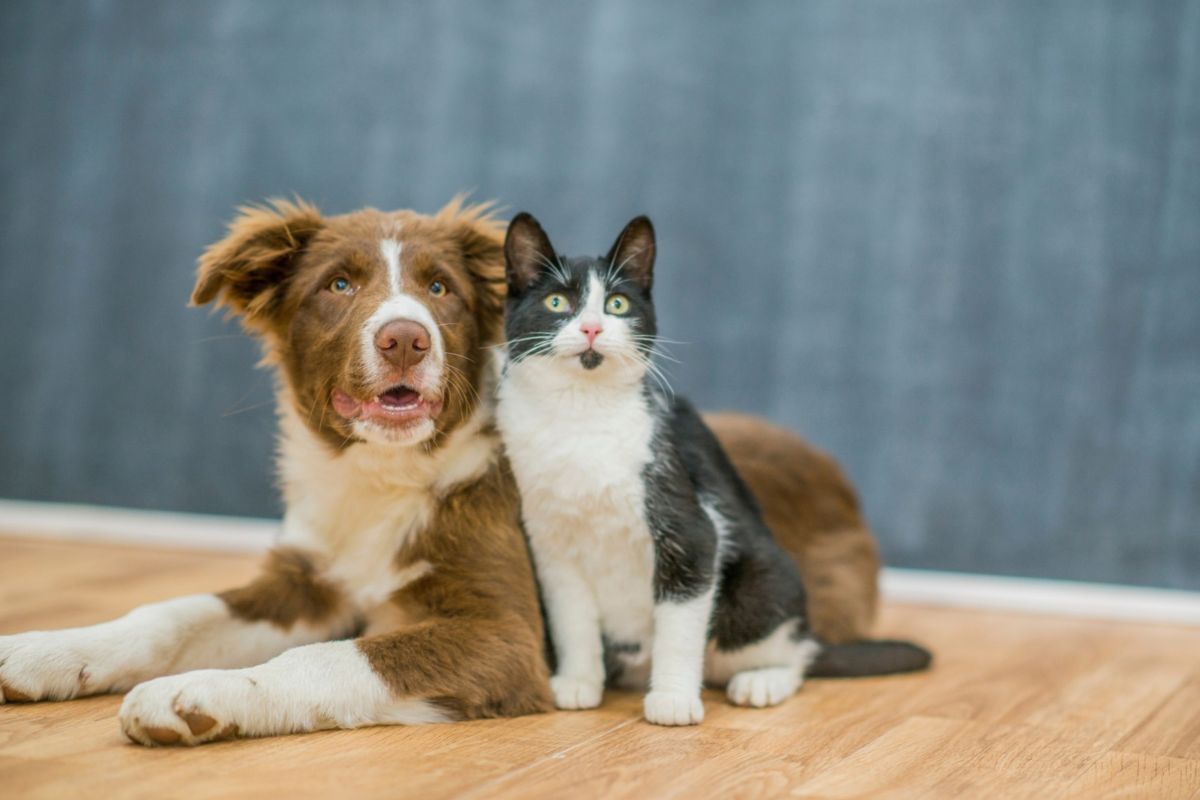
Pets cannot explain when something hurts or when they begin feeling unwell. As a pet owner, recognizing unusual symptoms and sudden changes in behavior is essential for protecting your dog’s or cat’s health. Some health problems develop gradually, while others appear unexpectedly and require prompt veterinary attention.
Understanding which symptoms need immediate attention can help you make informed decisions about your pet’s health. Whether you notice unusual breathing, repeated vomiting, sudden weakness, or difficulty urinating, knowing when to seek urgent pet care can make a meaningful difference in your pet’s recovery.
Common Signs That Your Pet Needs Urgent Pet Care
Dogs and cats often display physical or behavioral changes when something is wrong. While some symptoms may appear mild initially, they can indicate an underlying health problem that needs professional evaluation.
Watch for the following warning signs:
- Repeated vomiting or diarrhea: Frequent vomiting, persistent diarrhea, or blood in the stool may indicate digestive problems, infections, or other medical conditions.
- Difficulty breathing: Rapid breathing, unusual breathing sounds, excessive effort when breathing, or open-mouth breathing in cats should receive immediate veterinary attention.
- Sudden weakness or collapse: Difficulty standing, unusual tiredness, or sudden loss of coordination may indicate a serious health concern.
- Unusual bleeding: Bleeding from the nose, mouth, or other body areas requires prompt evaluation, particularly when it does not stop.
- Severe pain or discomfort: Whining, crying, hiding, restlessness, or reacting negatively to touch can indicate pain or injury.
- Difficulty urinating: Repeated attempts to urinate with little or no urine production may indicate a urinary blockage, particularly in male cats.
- Sudden behavioral changes: Unusual aggression, confusion, excessive hiding, or withdrawal may be signs of illness or discomfort.
Recognizing these symptoms early helps pet owners understand when professional veterinary assessment is necessary.
When Should You Contact a Veterinarian Near You?
Not every change in your pet’s health requires the same level of attention. However, certain symptoms should never be ignored or monitored for several days without professional advice.
Contact a veterinarian near you if your pet experiences sudden changes such as:
Breathing difficulties: Any noticeable struggle to breathe, persistent coughing accompanied by breathing changes, or unusual breathing patterns should be evaluated promptly.
Persistent digestive problems: Repeated vomiting, bloody diarrhea, or an inability to keep water down can lead to dehydration and other complications.
Eye injuries or sudden vision changes: Redness, swelling, excessive tearing, squinting, or sudden difficulty seeing may indicate an eye condition requiring prompt treatment.
Swollen or painful abdomen: A noticeably enlarged abdomen, especially when accompanied by repeated unsuccessful attempts to vomit, requires immediate veterinary assessment.
Possible toxin exposure: If your pet consumes medications, household cleaning products, toxic plants, or harmful foods, contact a veterinarian immediately. Do not attempt to induce vomiting unless specifically instructed by a veterinary professional.
When you are uncertain about the seriousness of a symptom, contacting a veterinary team is a sensible first step.
Understanding Sudden Health Changes in Dogs and Cats
Dogs and cats may show different signs when experiencing similar health problems. Understanding these differences can help you recognize when your pet needs attention.
Urgent Health Concerns in Dogs
Dogs may show noticeable changes in their activity, appetite, and behavior when they are unwell. Some common concerns include:
- Sudden limping or an inability to put weight on a leg.
- Repeated vomiting or loose stools.
- Excessive panting without physical activity or heat exposure.
- Swelling around the face or muzzle.
- Unusual restlessness, whining, or difficulty getting comfortable.
- Refusal to eat or drink, particularly when accompanied by other symptoms.
Dogs may also hide signs of discomfort, so even subtle changes in their normal routine deserve attention.
Urgent Health Concerns in Cats
Cats are often more subtle when showing signs of illness. They may hide, become less active, or avoid interacting with family members.
Watch for these concerning symptoms:
- Frequent visits to the litter box with little or no urine.
- Sudden refusal to eat or drink.
- Hiding in unusual places or avoiding interaction.
- Difficulty walking, jumping, or climbing.
- Unusual vocalization or signs of pain.
- Squinting, eye discharge, or visible eye irritation.
Cats that struggle to urinate, have difficulty breathing, or suddenly become extremely weak need immediate veterinary assessment.
What Should You Do When Your Pet Shows Concerning Symptoms?
Knowing how to respond when your pet becomes unwell can help prevent additional discomfort and complications.
Follow these practical steps:
1. Observe the symptoms: Pay attention to when the problem started, how frequently it occurs, and whether your pet’s condition is changing.
2. Keep your pet comfortable: Place your pet in a quiet, safe area and limit unnecessary movement, especially if an injury or mobility problem is suspected.
3. Avoid giving human medications: Medicines intended for people may be harmful to dogs and cats. Always consult a veterinarian before administering any medication.
4. Gather relevant information: Note recent changes in appetite, water intake, bathroom habits, activity levels, and behavior. If possible, take photographs or videos of unusual symptoms to share with the veterinary team.
5. Seek professional guidance: Contact your veterinary hospital promptly if symptoms are concerning, persistent, or worsening. Do not delay care when your pet shows signs of serious distress.
These steps can help you communicate clearly with the veterinary team and support an appropriate treatment plan.
How an Animal Hospital Near You Can Help With Urgent Health Concerns
When your pet experiences an unexpected illness or injury, professional veterinary evaluation helps identify the underlying cause and determine appropriate treatment.
An animal hospital near you can assess your pet’s condition through a physical examination and, when necessary, diagnostic testing. Depending on the symptoms, a veterinarian may recommend laboratory testing, diagnostic imaging, or additional examinations to understand the problem.
Treatment depends on the nature and severity of the condition. It may involve medication, wound management, fluid support, pain management, or other appropriate medical care.
Timely evaluation is particularly important for puppies, kittens, senior pets, and animals with existing health conditions because their needs may differ from those of otherwise healthy adult pets.
When to Seek Urgent Pet Care in Buffalo
Recognizing unusual symptoms and responding promptly are important parts of responsible pet ownership. Sudden breathing difficulties, persistent vomiting, severe pain, urinary problems, and unexpected behavioral changes should never be overlooked.
If your dog or cat is experiencing concerning symptoms, contact our animal hospital for professional guidance. You can call us at 716-852-8276 to discuss your pet’s condition and learn about the next steps for receiving veterinary attention.
At Ellicott Street Animal Hospital, we understand how concerning unexpected health problems can be for pet owners. Our team is committed to providing compassionate veterinary care and helping families in Buffalo make informed decisions about their pets’ health. When your companion needs prompt attention, seeking appropriate veterinary support can help address health concerns and support their well-being.
Frequently Asked Questions
1. What are the most common signs that a dog needs urgent veterinary care?
Ans: Common warning signs include repeated vomiting, difficulty breathing, sudden weakness, severe limping, unusual bleeding, persistent pain, and difficulty urinating. These symptoms should be evaluated promptly by a veterinarian.
2. How can I tell if my cat is experiencing a serious health problem?
Ans: Look for changes such as hiding, refusing food, unusual vocalization, difficulty walking, repeated vomiting, or changes in litter box habits. Difficulty breathing or straining to urinate without producing urine requires immediate veterinary attention.
3. Should I contact a veterinarian if my pet suddenly stops eating?
Ans: Yes. A sudden loss of appetite may be associated with digestive problems, pain, dental conditions, or other illnesses. Contact your veterinarian if your pet refuses food, particularly if other symptoms are present. Cats that stop eating require particular attention.
4. What should I do if my pet accidentally consumes something harmful?
Ans: Contact a veterinary professional immediately and provide details about the substance, estimated quantity, and time of exposure. Keep the product packaging available if possible. Do not induce vomiting or administer home remedies unless instructed by a veterinarian.
5. When should I look for urgent pet care near me?
Ans: Seek urgent veterinary attention when your pet experiences sudden or worsening symptoms, including breathing difficulties, collapse, severe pain, persistent vomiting, significant bleeding, or difficulty urinating. If you are unsure about the seriousness of the symptoms, contact a veterinary team for guidance.