$50 Off First Visit for New Clients

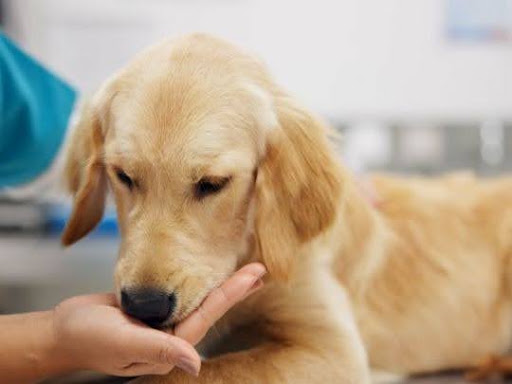
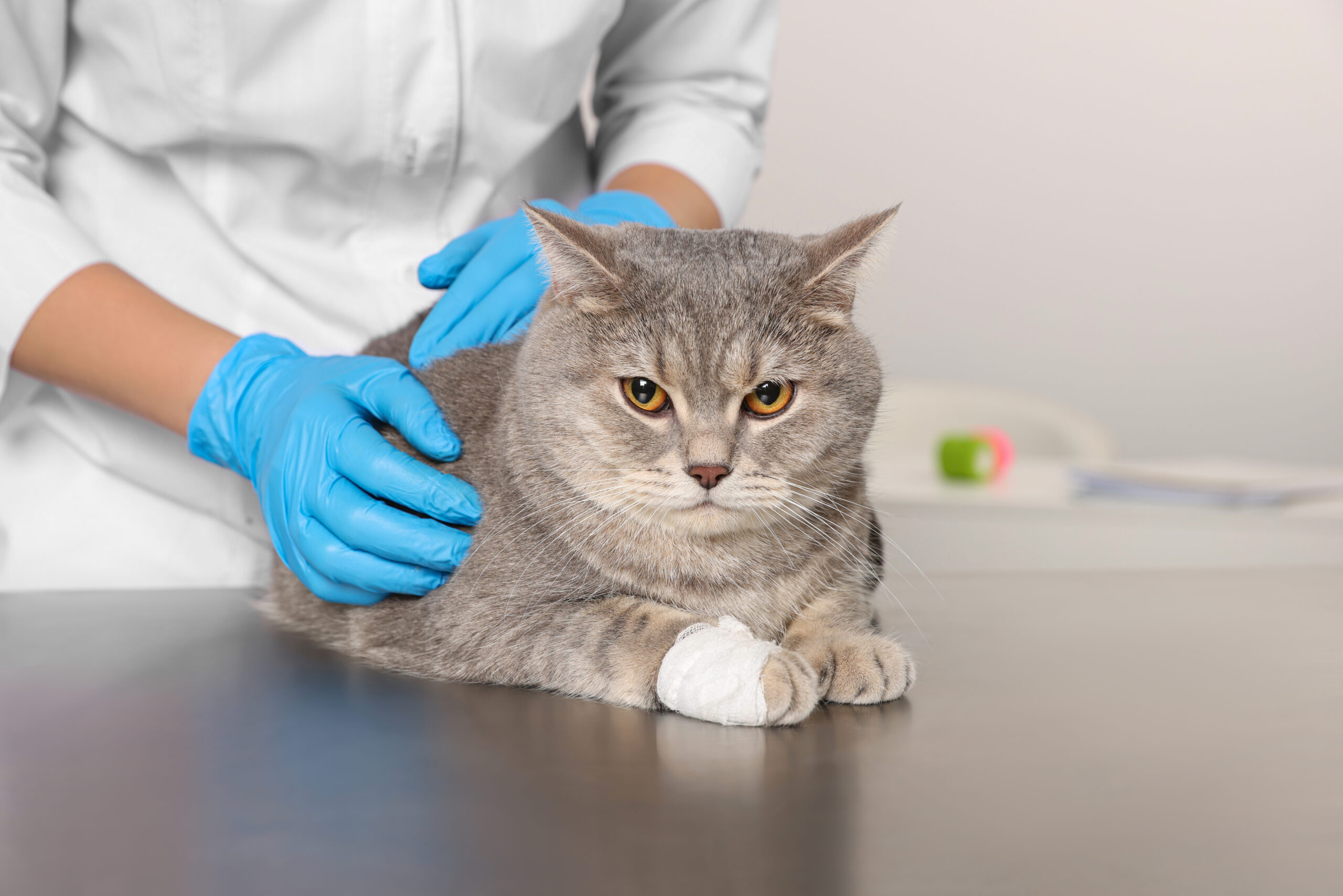
A sudden pet injury can leave even an experienced pet owner unsure of what to do. Your first response can help keep your dog or cat safe, but first aid is not a substitute for professional veterinary evaluation. Knowing what you can safely do at home and recognizing when your pet needs prompt medical attention can prevent complications and support a smoother recovery.
Pet first aid generally focuses on stabilizing your pet until professional care is available. Simple actions such as keeping your pet calm, controlling minor bleeding, or protecting an injured area may be appropriate in certain situations. However, some symptoms require prompt assessment by a veterinarian, even when the problem initially appears minor.
If you are searching for pet urgent care in Buffalo, understanding these differences can help you respond confidently when your companion suddenly becomes sick or injured.
What Is Pet First Aid?
Pet first aid refers to immediate, basic care provided after an injury, accident, or sudden health problem. Its purpose is to protect your pet from further harm while you arrange appropriate veterinary care.
First aid may include:
- Moving your pet away from immediate danger
- Keeping your pet calm and still
- Applying gentle pressure to minor external bleeding
- Covering a wound with clean gauze
- Preventing your pet from licking or chewing an injured area
- Keeping your pet warm when appropriate
- Monitoring breathing and responsiveness
- Contacting a veterinary team for guidance
The most important principle is to avoid actions that could make the situation worse. Pets that are frightened or in pain may bite or scratch, even when they are normally gentle.
When Can Pet First Aid Be Helpful?
Some minor problems may be managed temporarily with basic first aid while you determine whether veterinary evaluation is necessary. Even then, closely monitor your pet for changes.
Minor Cuts and Scrapes
A small superficial cut may sometimes be gently cleaned with clean water. If there is minor bleeding, clean gauze can be placed over the area with gentle pressure.
Avoid repeatedly touching or manipulating the wound. If bleeding continues, the wound is deep, the skin is separated, or your pet seems painful, veterinary evaluation is appropriate.
Small Paw Injuries
A torn nail, minor paw scrape, or small superficial injury can cause discomfort. Keep the area clean and discourage your pet from licking it.
Persistent bleeding, swelling, severe limping, or an embedded object requires professional assessment.
Minor Irritation
If your pet has mild irritation on the skin, preventing scratching or licking can help limit additional damage. However, worsening redness, swelling, discharge, pain, or a spreading lesion should be evaluated by a veterinarian.
First aid should always be considered temporary support rather than a complete treatment plan.
When Should You Seek Urgent Veterinary Care?
Knowing when home first aid is not enough is essential. Some conditions can worsen quickly or may indicate an underlying problem that cannot be safely treated at home.
If your pet experiences any of the following signs, seek prompt veterinary attention:
- Difficulty breathing
- Severe or persistent bleeding
- Collapse or inability to stand
- Seizures
- Sudden extreme weakness
- Severe pain
- Repeated vomiting
- Persistent diarrhea
- A swollen or painful abdomen
- Difficulty urinating
- Significant eye injuries
- Serious wounds
- Suspected poisoning
- Ingestion of a foreign object
- Sudden confusion or major behavioral changes
- Serious falls, collisions, or other traumatic injuries
The team at Ellicott Street Animal Hospital notes that sudden symptoms such as breathing difficulty, weakness, abdominal swelling, poisoning concerns, and significant injuries warrant prompt veterinary evaluation.
When you are uncertain about your pet’s condition, it is safer to contact a veterinary professional rather than waiting for symptoms to become more severe.
Common Situations That May Require Pet Urgent Care in Buffalo
Understanding common urgent situations can make it easier to recognize when your pet needs professional attention.
Breathing Difficulties
Breathing changes should always be taken seriously. Watch for rapid or labored breathing, persistent coughing, wheezing, open-mouth breathing in cats, or unusual gum color.
Do not attempt to force food, water, or medication into a pet that is struggling to breathe. Keep your pet calm and seek veterinary care promptly.
Persistent Vomiting or Diarrhea
An isolated episode of vomiting or loose stool may not always require urgent treatment. Repeated vomiting or diarrhea is different.
Continued gastrointestinal symptoms can contribute to dehydration and may be associated with dietary problems, intestinal obstruction, pancreatitis, poisoning, or other medical conditions.
Young pets, older pets, and pets with existing health concerns may be particularly vulnerable to complications.
Severe Pain or Sudden Weakness
Pets often hide discomfort. A pet that suddenly cries, trembles, refuses to move, hides, or cannot get comfortable may be experiencing significant pain.
Likewise, sudden weakness, collapse, or an inability to stand should not be ignored.
Injuries From Falls or Accidents
Your pet may appear normal immediately after a fall or collision. However, internal injuries or musculoskeletal problems may not be obvious from the outside.
After significant trauma, veterinary evaluation can help determine whether further testing is needed. Diagnostic tools such as digital X-rays and ultrasound may help veterinarians identify injuries or internal concerns.
What Should You Do Before Going to the Veterinarian?
Your actions before reaching a veterinary hospital can make the situation safer for both you and your pet.
Keep Your Pet Calm
Stress can increase movement and potentially worsen some injuries. Speak calmly and limit unnecessary handling.
Handle Injured Pets Carefully
Pain can cause even friendly pets to react unexpectedly. Avoid putting your hands near your pet’s mouth, particularly if the animal is frightened or injured.
Do Not Give Human Medication
Many medications intended for people can be harmful to pets. Do not give pain relievers or other medications unless a veterinarian specifically instructs you to do so.
Gather Important Information
If possible, note:
- When the symptoms began
- What happened before the symptoms appeared
- What your pet may have eaten or contacted
- Any changes in behavior
- Medications your pet currently receives
- Any first-aid steps you have already taken
This information can help the veterinary team understand the situation more quickly.
Call Ahead When Possible
If your pet needs urgent attention, calling the veterinary hospital before traveling can help you receive appropriate instructions. The Ellicott Street Animal Hospital website specifically advises clients with urgent concerns to call 716-852-8276 rather than using its online appointment form.
Why You Should Not Rely Only on Home Treatment
Searching online for first-aid instructions can be useful for general education, but it cannot replace an examination by a veterinarian.
A symptom may have several possible causes. For example, vomiting could result from something relatively minor, but it can also accompany an intestinal blockage or toxic exposure. Similarly, limping could result from a small paw injury or a more significant orthopedic problem.
A veterinary examination allows the underlying cause to be investigated rather than simply treating the visible symptom.
Depending on your pet’s condition, veterinary diagnostics may include blood testing, urinalysis, fecal testing, digital X-rays, or ultrasound. Ellicott Street Animal Hospital provides several in-house diagnostic options to help evaluate unexpected health concerns.
How to Prepare a Pet First-Aid Kit
Keeping basic supplies available can help you respond to minor injuries while arranging appropriate care.
A basic pet first-aid kit may include:
- Clean gauze
- Non-stick wound dressings
- Bandage material
- Disposable gloves
- Clean towels
- Tweezers for appropriate superficial debris removal
- A digital thermometer
- A pet-safe carrier or secure transport method
- Your veterinarian’s contact information
Keep the kit somewhere accessible and check supplies periodically.
Avoid stocking the kit with medications that you intend to administer without veterinary guidance. A first-aid kit should help you provide basic support, not encourage at-home treatment of conditions that require professional care.
How to Tell When First Aid Is Not Enough
One of the biggest challenges for pet owners is deciding whether a problem is minor enough to monitor.
A useful rule is to consider severity, persistence, and sudden change.
A problem deserves closer attention when:
- Symptoms are becoming worse
- Your pet is unusually quiet or weak
- Your pet refuses food or water
- Pain appears significant
- There is repeated vomiting or diarrhea
- Your pet has difficulty breathing
- Your pet cannot walk normally
- Your pet’s behavior changes suddenly
- An injury involves the eye, abdomen, chest, or head
- You suspect your pet swallowed something harmful
If your pet’s condition seems unusual and you are unsure what to do, professional guidance is the safest option.
Finding Urgent Vet Care Near You
Having a plan before a pet health problem occurs can reduce stress. Save your veterinary hospital’s phone number in your contacts and know how to safely transport your pet.
If you are looking for urgent vet care in Buffalo, choose a veterinary team that can evaluate sudden illnesses and injuries and provide appropriate diagnostic support when needed.
For urgent concerns, contact our animal hospital rather than waiting for symptoms to worsen. You can call us at 716-852-8276 for guidance regarding your pet’s condition. The hospital is located at 517 Ellicott Street, Buffalo, NY 14203.
Compassionate Urgent Pet Care in Buffalo
Knowing basic pet first aid can help you respond appropriately during an unexpected health problem, but recognizing when professional care is needed is just as important. Prompt veterinary attention can help identify underlying problems, manage pain and discomfort, and reduce the risk of complications.
When your pet experiences a sudden illness or injury, do not hesitate to seek professional guidance. Ellicott Street Animal Hospital provides veterinary care for pets experiencing unexpected health concerns and offers diagnostic services to help veterinarians determine the appropriate course of treatment.
If you are searching for pet urgent care in Buffalo, urgent vet care in Buffalo, or urgent vet care near you, timely veterinary support can give you greater confidence when your pet needs help.
Frequently Asked Questions
1. What should I do if my pet suddenly becomes injured?
Ans: Keep your pet calm, prevent additional injury, and provide only basic first aid that is appropriate for the situation. Contact a veterinary team if the injury is significant, painful, bleeding heavily, or worsening.
2. Can I treat my pet’s injury at home?
Ans: Some minor superficial injuries may receive temporary first aid at home. However, deep wounds, persistent bleeding, severe pain, swelling, limping, or behavioral changes should be evaluated by a veterinarian.
3. Should I give my pet human pain medication?
Ans: No. Human medications can be dangerous for pets. Only administer medication when a veterinarian has specifically instructed you to do so.
4. When does vomiting require veterinary care?
Ans: Repeated vomiting, vomiting accompanied by weakness or pain, blood in vomit, or suspected ingestion of a harmful substance warrants prompt veterinary attention.
5. What signs mean my pet needs urgent veterinary attention?
Ans: Difficulty breathing, collapse, seizures, severe pain, persistent vomiting or diarrhea, significant injuries, poisoning concerns, difficulty urinating, and sudden severe weakness are important warning signs.
6. What should I bring when taking my pet for urgent care?
Ans: Bring your pet safely secured, along with information about current medications, when symptoms started, what your pet may have eaten or contacted, and any relevant medical history.