$50 Off First Visit for New Clients

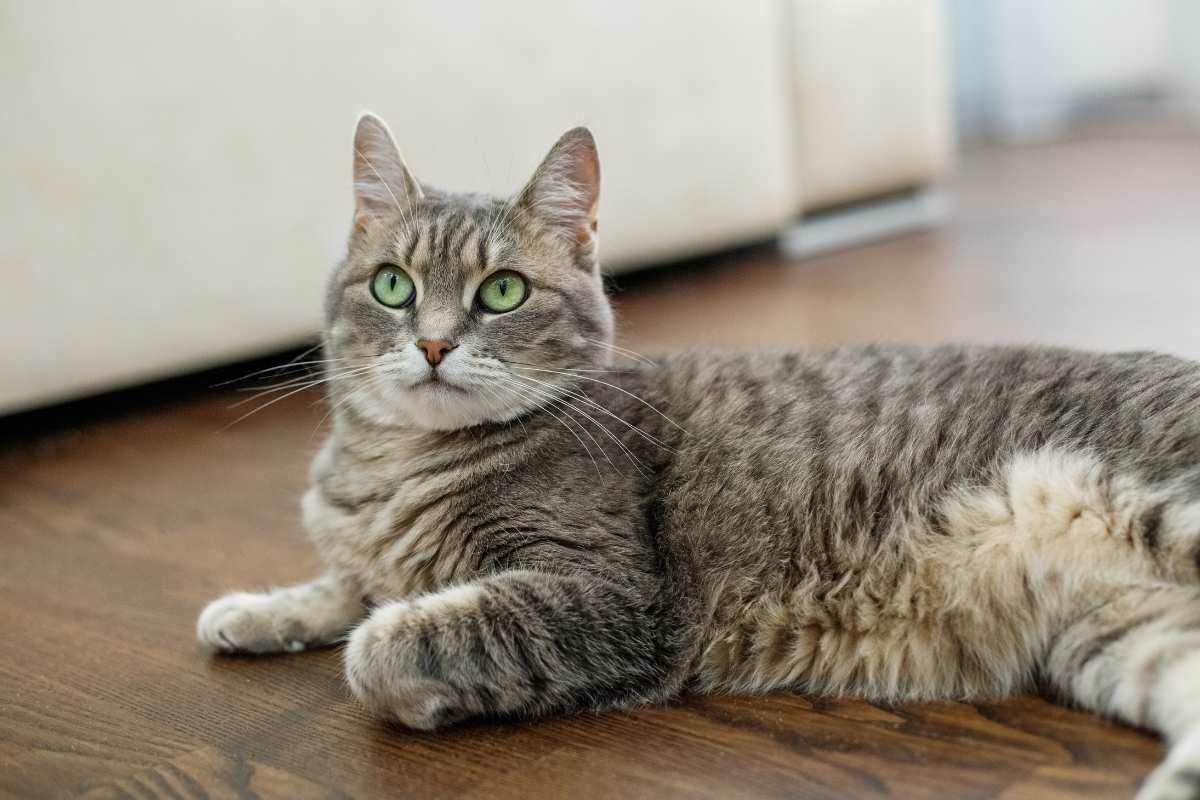
Cats are known for hiding discomfort, which is why even subtle changes in their behavior can be important. One sign that should never be ignored is rapid breathing. If you’ve noticed your cat breathing faster than usual while resting, it may indicate an underlying issue that requires prompt attention.
A healthy cat at rest typically takes between 20 and 30 breaths per minute. Temporary increases can occur after playtime or moments of excitement, but persistent fast breathing is different. Understanding what causes rapid breathing and recognizing when it is time to seek professional help can make a significant difference in your cat’s health and comfort.
If you’re searching for urgent vet care near you, knowing the warning signs and acting quickly can help your feline companion receive the care they need.
What Is Considered Fast Breathing in Cats?
Fast breathing, also called tachypnea, refers to an increased respiratory rate. To check your cat’s breathing, watch the rise and fall of their chest while they are sleeping or resting. Count the number of breaths taken in one minute.
In general:
- 20–30 breaths per minute is considered normal.
- More than 30 breaths per minute at rest may warrant closer observation.
- Consistently breathing above 40 breaths per minute should be evaluated promptly.
Keep in mind that stress, exercise, and warm temperatures can temporarily increase breathing rates. However, if your cat is resting comfortably and continues to breathe rapidly, it is important to investigate further.
Common Causes of Rapid Breathing in Cats
There are several reasons a cat may begin breathing faster than normal. Some causes are relatively mild, while others require immediate medical evaluation.
Pain or Discomfort
Cats often mask pain, making it difficult for owners to recognize when something is wrong. Dental problems, injuries, arthritis, or internal discomfort can lead to changes in breathing patterns.
Signs of pain may include:
- Hiding more than usual
- Decreased appetite
- Reluctance to jump or move
- Changes in grooming habits
- Increased vocalization
Rapid breathing combined with these symptoms should not be overlooked.
Stress and Anxiety
Cats can become stressed by environmental changes, loud noises, travel, or unfamiliar visitors. Stress-related breathing changes usually improve once the cat feels safe again.
However, prolonged or severe breathing changes should still be assessed, especially if accompanied by lethargy or weakness.
Respiratory Infections
Upper and lower respiratory infections can affect a cat’s ability to breathe comfortably. In addition to rapid breathing, you may notice:
- Sneezing
- Nasal discharge
- Watery eyes
- Congestion
- Reduced energy levels
Respiratory illnesses can affect cats of all ages, though kittens and senior cats may be more vulnerable to complications.
Heart Conditions
Heart disease can reduce the body’s ability to circulate oxygen effectively, leading to an increased respiratory rate. Some cats with heart disease may not show obvious symptoms until the condition progresses.
Warning signs can include:
- Fatigue
- Loss of appetite
- Weakness
- Difficulty exercising
- Open-mouth breathing
Heart-related breathing issues should always be taken seriously.
Fluid Around the Lungs
Fluid accumulation in or around the lungs can make breathing difficult. This condition may develop due to heart disease, infection, inflammation, or other medical concerns.
Cats experiencing fluid buildup often breathe rapidly and may appear uncomfortable when lying down.
Asthma
Feline asthma is a chronic condition that affects the airways. During flare-ups, cats may experience:
- Wheezing
- Coughing
- Rapid breathing
- Labored breathing
- Low activity levels
Asthma symptoms can vary in severity and may become more frequent without proper management.
Signs That Your Cat Needs Prompt Veterinary Attention
Not every episode of rapid breathing indicates a serious problem, but some signs should prompt immediate evaluation.
Seek veterinary care if your cat:
- Is breathing more than 40 times per minute at rest
- Has pale or bluish gums
- Is breathing with their mouth open
- Appears weak or collapses
- Stops eating or drinking
- Seems unusually lethargic
- Has persistent coughing or wheezing
- Cannot get comfortable while resting
These symptoms can indicate a condition that requires timely intervention.
Pet owners looking for urgent vet care buffalo should avoid waiting to see if symptoms improve when breathing difficulties persist.
How to Monitor Your Cat at Home
While waiting for an appointment, there are a few things you can do to monitor your cat safely.
Count Their Respiratory Rate
Observe your cat while they are sleeping. Count each rise and fall of the chest for 60 seconds and record the number.
Keep a Symptom Journal
Document additional symptoms, including:
- Appetite changes
- Energy levels
- Coughing episodes
- Changes in litter box habits
- Recent injuries or stressful events
This information can help your veterinarian identify potential causes more quickly.
Minimize Stress
Provide a quiet and comfortable space away from household activity. Avoid excessive handling if your cat appears uncomfortable.
Watch for Changes
If breathing becomes more rapid, your cat starts breathing through their mouth, or they appear distressed, seek care promptly.
What Happens During an Urgent Veterinary Visit?
Many pet owners are understandably anxious when bringing in a cat with breathing concerns. During an urgent care visit, your veterinary team may perform:
- A physical examination
- Respiratory rate assessment
- Heart and lung evaluation
- Blood tests
- X-rays
- Oxygen support if needed
The goal is to determine the underlying cause and create an appropriate treatment plan.
Cats experiencing breathing difficulties can become stressed during travel, so transporting them in a secure carrier with minimal noise and movement is recommended.
Can Fast Breathing Resolve on Its Own?
In some cases, rapid breathing related to temporary stress or recent exercise may improve within a short period. However, breathing that continues for several hours or repeatedly returns should never be ignored.
Cats are masters at hiding illness, which means by the time owners notice changes, a condition may have already progressed. Monitoring your cat closely and seeking professional guidance when symptoms persist is often the safest approach.
If you’ve been searching online for pet urgent care buffalo, remember that early evaluation can provide peace of mind and help identify issues before they become more serious.
Tips for Supporting Your Cat’s Respiratory Health
While not every cause of rapid breathing can be prevented, maintaining good overall health can support your cat’s respiratory system.
Helpful tips include:
- Scheduling regular wellness examinations
- Maintaining a healthy weight
- Keeping your home free of excessive smoke and strong irritants
- Providing a low-stress environment
- Monitoring changes in breathing patterns
- Encouraging appropriate activity and enrichment
Becoming familiar with your cat’s normal behavior makes it easier to recognize when something changes.
When Waiting Is Not the Best Option
Many cat owners hesitate because their pet seems comfortable despite breathing faster than normal. Unfortunately, cats often conceal signs of illness until they are no longer able to compensate.
You should trust your instincts. If your cat’s breathing appears unusual, especially when combined with other symptoms, it is better to have them evaluated sooner rather than later.
Prompt assessment may help identify conditions involving the lungs, heart, or other body systems before they significantly impact your cat’s quality of life.
Supporting Cats in Buffalo With Compassionate Urgent Care
Rapid breathing is not something pet owners should ignore. Whether the cause is stress, asthma, pain, or an underlying medical condition, understanding the signs can help you make informed decisions for your cat’s well-being.
If your cat is breathing faster than normal and you’re unsure what to do next, call 7168528276 or guidance. For families seeking reliable urgent care services in Buffalo, Ellicott Street Animal Hospital is committed to providing attentive and compassionate care when pets need it most. Contact us to learn more about available urgent care services and how our team can help your feline companion feel more comfortable.
Frequently Asked Questions
1. How many breaths per minute are normal for a resting cat?
Ans: A healthy cat typically takes between 20 and 30 breaths per minute while resting. If your cat consistently exceeds 30 breaths per minute, it’s a good idea to monitor them closely and consult a veterinarian if the rate remains elevated.
2. Why is my cat breathing fast while sleeping?
Ans: Cats may breathe slightly faster during dreaming or after recent activity. However, if your cat regularly breathes rapidly while sleeping or resting, it could indicate pain, stress, respiratory illness, heart disease, or another underlying condition.
3. Should I be concerned if my cat is breathing with its mouth open?
Ans: Yes. Open-mouth breathing in cats is uncommon and should be taken seriously. If your cat is breathing through its mouth, especially while at rest, prompt veterinary evaluation is recommended.
4. Can stress cause a cat to breathe rapidly?
Ans: Yes, stress and anxiety can temporarily increase a cat’s breathing rate. Common triggers include travel, loud noises, changes in the home, or unfamiliar environments. If the rapid breathing persists after your cat has calmed down, a veterinary examination is advised.
5. When should I seek urgent veterinary care for my cat’s fast breathing?
Ans: You should seek urgent veterinary care if your cat is breathing more than 40 times per minute at rest, appears lethargic, has pale or bluish gums, refuses to eat, or shows signs of distress.
6. What should I do if my cat starts breathing faster than usual?
Ans: First, keep your cat calm and observe their breathing rate while they are resting. Note any additional symptoms, such as coughing, weakness, or changes in appetite. If the rapid breathing continues or worsens, contact your veterinarian for further guidance.